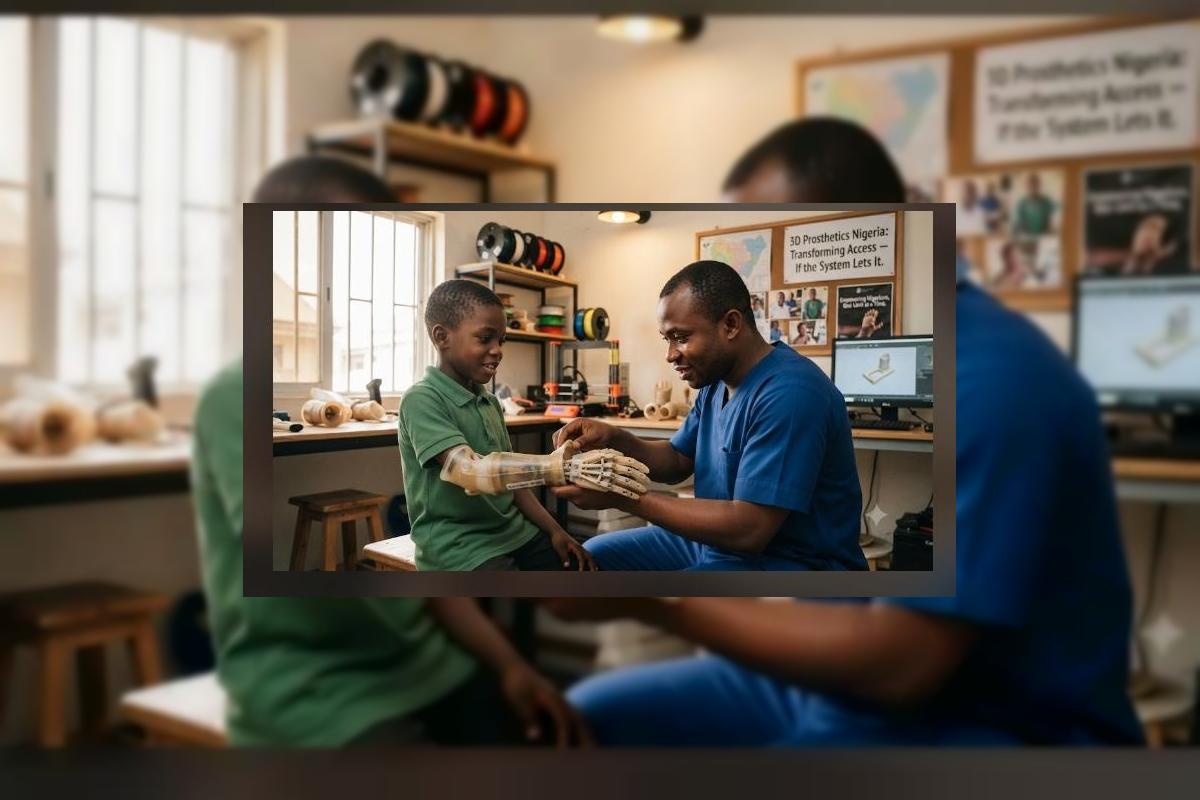

The promise of 3D printing is often framed as a futuristic miracle: a high-tech machine producing a complex, custom-fitted limb in hours for a fraction of the cost. In Nigeria, where the demand for prosthetics vastly outstrips the number of trained technicians, 3D printing has the potential to democratize mobility. But between the hype and the reality lies a complex landscape of clinical standards, structural durability, and a system that is not yet ready to embrace a digital manufacturing revolution.
"We brought a 3D-printing startup to our community with the goal of providing affordable limbs. The children were excited, but we quickly realized that a digital design file from Europe didn't account for the heat, the humidity, or the rough, unpaved terrain these kids walk on daily. The plastic warped, the layers delaminated, and we were back to square one. We had the technology, but we didn't have the Nigerian-specific engineering to make it last. — Dr. Amina, Kano"
The appeal of 3D-printed prosthetics in Nigeria is clear: they offer the potential to bypass the long, multi-week traditional casting and fabrication processes that currently keep thousands waiting for care. However, the enthusiasm for "printing a limb" often ignores the reality of clinical fit. A prosthesis is not just a plastic shape; it is a mechanical interface between a human body and the world. When we apply 3D-printing technology, we must do so with the rigor of prosthetic science. We cannot simply print a device and hope it works. We must ensure the plastic is UV-resistant, the socket interface is anatomically precise, and the structure can survive the rigors of our environment.
The Three Digital Barriers: Why Scaling Isn't Simple
To evolve 3D printing from a novelty into a sustainable clinical service, we must overcome the three fundamental gaps that current technology faces.
| The Barrier | The Technical Risk | The OrthoNarra Mandate |
|---|---|---|
| Material Longevity | Standard PLA plastics fail in extreme heat and high humidity. | Investing in high-performance, weather-resilient filaments. |
| Clinical Oversight | "DIY" printing bypasses necessary socket fitting and alignment. | Mandating P&O specialist oversight for every digital design. |
| Infrastructure Stability | Print jobs failing due to power surges and unstable electricity. | Building localized, solar-powered additive manufacturing hubs. |
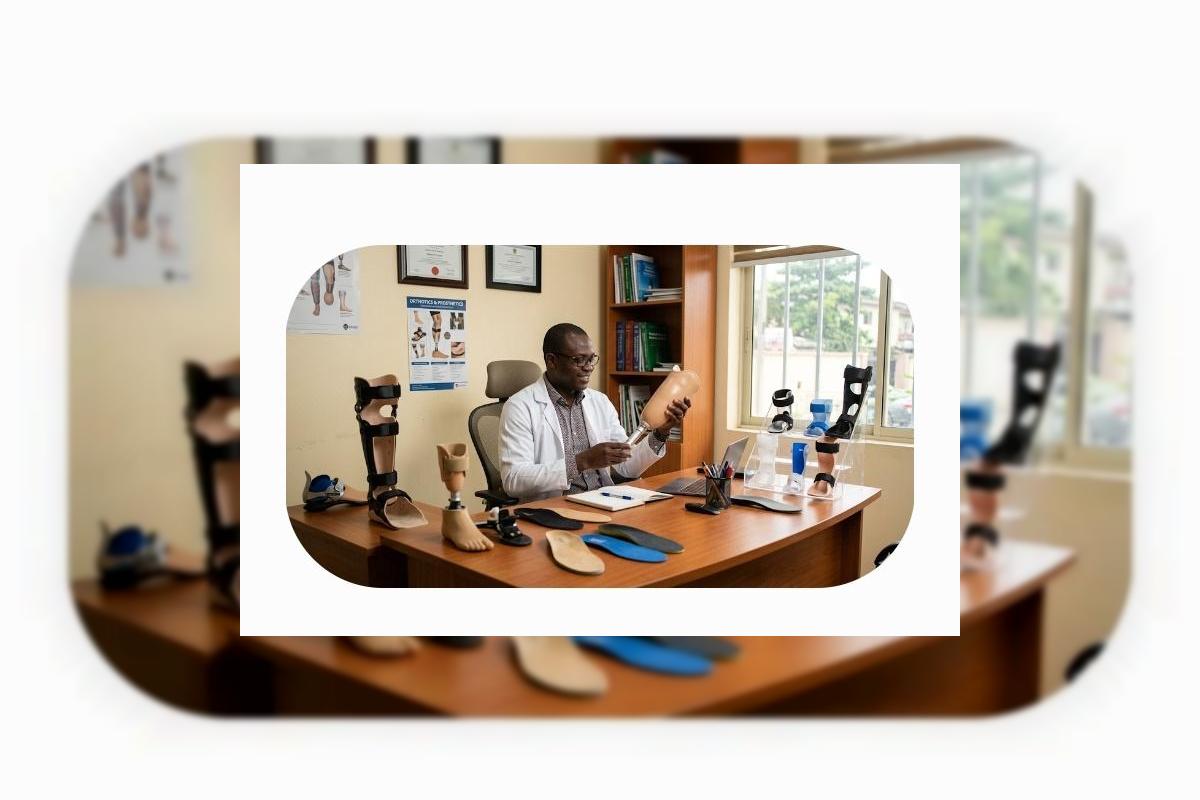
"3D printing is not a replacement for prosthetic science; it is a new, faster tool for it. The magic is not in the machine; the magic is in the clinician's ability to ensure that the printed socket holds the patient's anatomy in total comfort."
The Mechanics of Digital Rehabilitation
The process of 3D printing a prosthesis begins with digital scanning—a non-contact laser or photogrammetry that captures the residual limb in seconds. This data is then imported into CAD (Computer-Aided Design) software, allowing the prosthetist to make precise, mathematical adjustments to the socket fit. The device is then sent to an industrial-grade 3D printer. For Nigerian applications, we must move toward FDM (Fused Deposition Modeling) with reinforced materials like carbon-filled nylon, which offer the strength-to-weight ratio necessary for daily walking. The result is a device that is lighter, more breathable, and faster to produce than traditional laminated sockets.
The Five Pillars of Sustainable 3D-Printed Care
For additive manufacturing to truly serve Nigeria, we must adopt an evidence-based approach that prioritizes clinical durability:
1 Clinical-Grade Scanning
Scanning must be done by trained personnel to ensure the digital model accurately reflects the patient's soft tissue and boney landmarks.
2 Material Engineering
We must prioritize the use of high-strength, flexible polymers that are engineered to withstand the thermal and physical stresses of the Nigerian climate.
3 Hybrid Fabrication
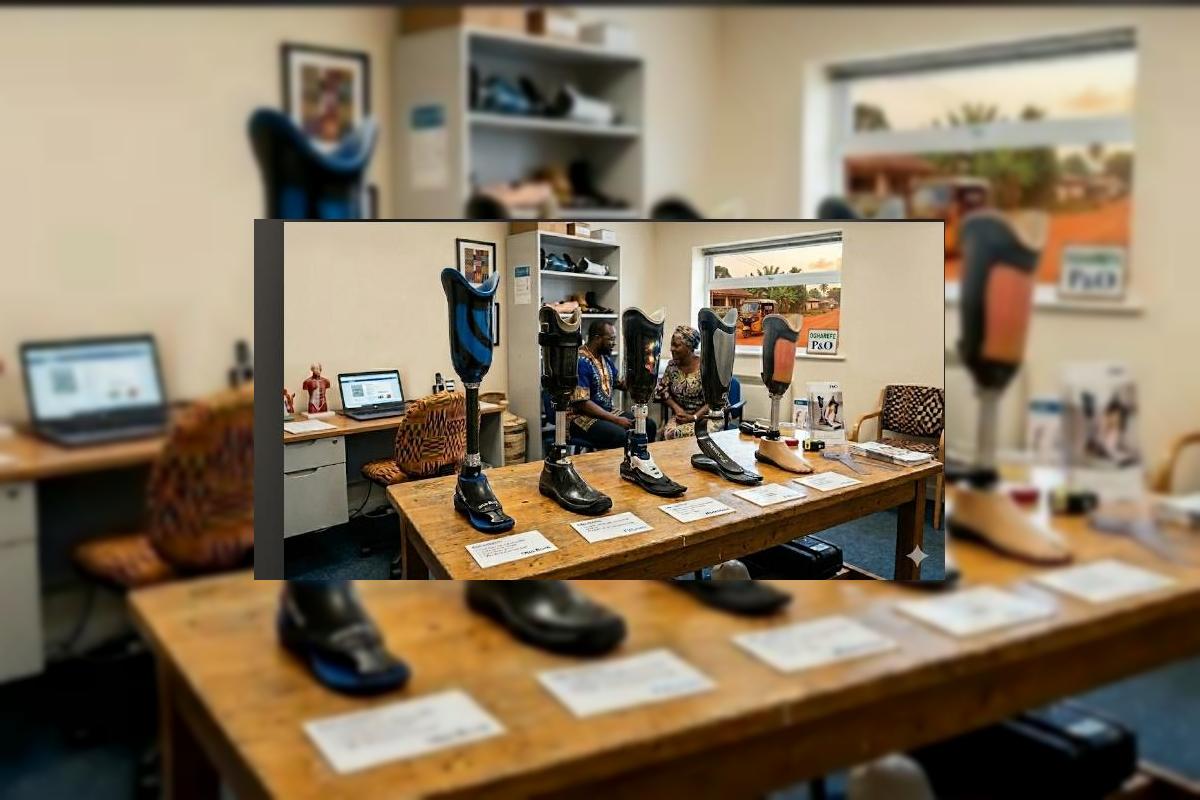
The best models currently use 3D-printed sockets paired with modular, off-the-shelf components for feet and knees, ensuring a mix of custom fit and high-durability hardware.
4 Modular Design Updates
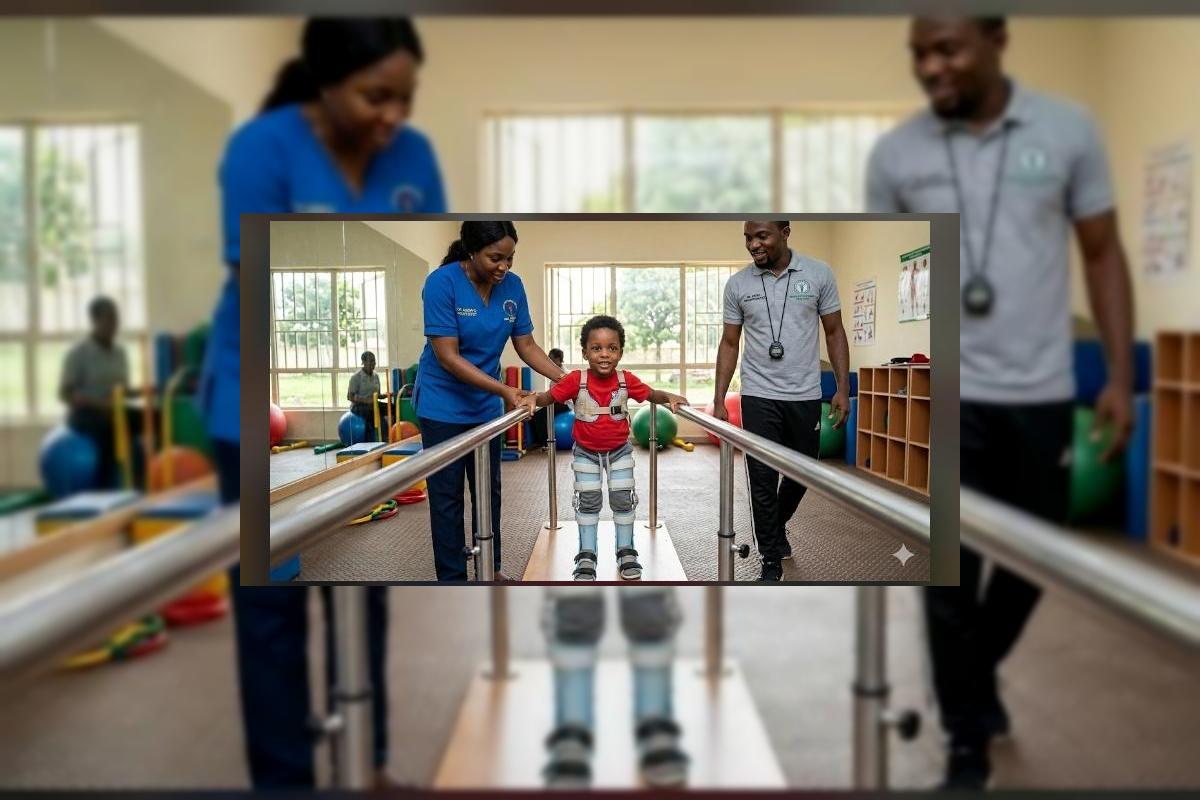
Because digital designs are stored in the cloud, adjustments for growth (in children) or limb shape change can be made quickly and re-printed, significantly reducing the cost of maintenance.
5 Quality Control Standards
Every 3D-printed device must pass rigorous stress testing before being cleared for patient use, ensuring that "speed" never comes at the expense of safety.
The Strategic Shift: From Speed to Precision
The deep forest green and terracotta palette of this series is our reminder that while technology moves at the speed of light, health is a process that must be rooted in the patient's reality. We are shifting the conversation from "fast printing" to "precision rehabilitation."
| The "Gadget" Path (Risk) | The Orthotic Reality (Success) |
|---|---|
| Printing for the sake of novelty. | Printing as a solution to a clinical deficit. |
| Ignoring the environment (heat/grit). | Engineering for environmental durability. |
| No clinical follow-up or fitting. | Continuous adjustment by certified P&O staff. |
| Unsustainable technology "drops." | Localized, professionalized manufacturing. |
3D printing is a transformative tool, but only if it is integrated into a system that values long-term clinical outcomes over short-term digital excitement. We need our government, our private tech hubs, and our clinical P&O leaders to sit at the same table. We must create 3D printing hubs that are professionally supervised, energy-stable, and grounded in the actual needs of the Nigerian patient. Let us harness this technology to do more than just make things; let us use it to make mobility truly accessible.
A Call for Digital Integration
To the tech innovators: Partner with P&O clinicians—your design skills need their clinical eyes to ensure patient safety. To the government: Invest in stable energy and infrastructure for small-scale, high-tech manufacturing; this is the future of our healthcare economy. To the patients: Demand high-quality, professional fitting, no matter how the device is made—don't let the novelty of the printer distract you from the importance of the fit. The terracotta and green represent the land we cultivate—let's ensure our digital tools are firmly rooted in it. OrthoNarra will keep tracking the digital evolution until every patient has a limb that is as precise as it is reliable. Mobility is the bedrock of our digital future.
Comments (0)
No comments yet. Be the first!
Please login to leave a comment
Login to Comment