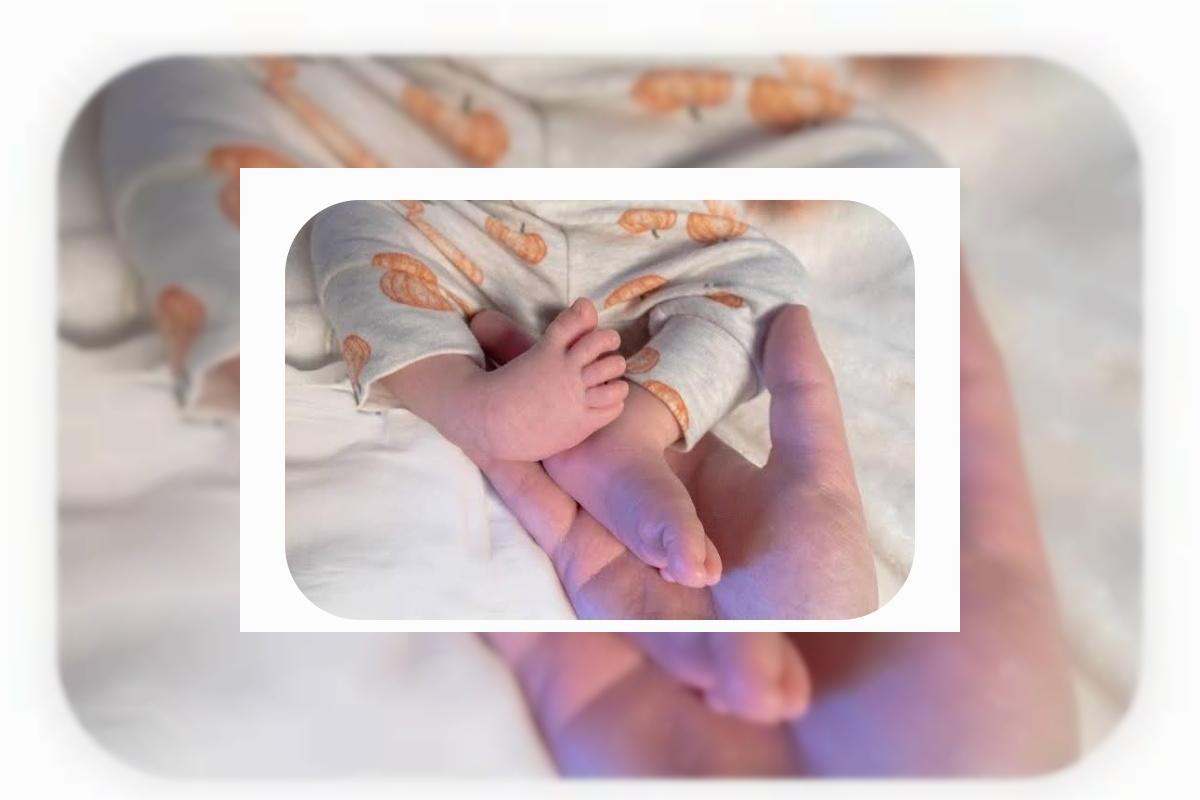

Clubfoot is one of the most common birth defects in Nigeria. It is almost entirely correctable without major surgery when treated within the first weeks of life. Yet thousands of children grow up walking on twisted feet because the right information never reached their families in time. This must stop.
1:800 live births in Nigeria affected by clubfoot annually
95% correction rate with early Ponseti treatment without major surgery
"They told us to rub it with palm oil and pray. We did that for four months. By the time we reached the hospital that knew what to do, the window for easy correction had nearly closed. Nobody in our town had ever heard of Ponseti. Nobody told us time was the enemy".
Father of a child with bilateral clubfoot.
She was born in a private clinic in Nnewi on a Wednesday night, and the first thing her father noticed was her feet. Both turned inward and downward, soles facing each other, ankles twisted in a way that looked painful even on a sleeping newborn. The attending nurse said it would sort itself out with time.
A visiting relative suggested warm palm oil massages. The family pastor prayed over the child at a thanksgiving service three weeks after birth. By the time Chiamaka was seen at a teaching hospital at five months old, her feet had not corrected themselves.
They never do. Congenital talipes equinovarus clubfoot is a structural deformity of the foot and ankle that is present at birth and does not resolve without deliberate, skilled intervention. But what it does respond to, when caught early and managed correctly, is nothing short of remarkable.
Chiamaka received modified Ponseti treatment at five months later than ideal, but not too late. The road was longer than it needed to be. The family's distress was deeper than it needed to be.
This is the story of clubfoot in Nigeria: a condition that medicine has effectively solved, still being lost to delay, ignorance, and a healthcare system that is not communicating loudly enough about what works.
Clubfoot affects approximately one in every 700–1,000 live births globally. With over five million births per year in Nigeria, that translates to thousands of affected infants annually. Roughly 50% of cases are bilateral both feet affected. Boys are affected about twice as often as girls.
WHAT CLUBFOOT ACTUALLY IS
Clubfoot is a congenital deformity in which one or both feet are twisted out of their normal position pointing downward and inward in a combined deformity described as equinus (plantarflexion) and varus (inversion). The entire architecture of the ankle, heel, and midfoot is misaligned. It is not caused by the mother's diet, by anything done during pregnancy, by spiritual forces, or by a curse. It is a developmental anomaly of connective tissue and bone formation.
Critically, clubfoot is non progressive in its skeletal component the bones themselves do not continue to worsen. What worsens, catastrophically, is the musculoskeletal consequence of leaving an untreated deformity to interact with a growing skeleton. Every month that passes without intervention is a month of abnormal forces acting on developing joints, tendons, and muscles. That is the race against time that every parent of a child with clubfoot is unknowingly running.
THE PONSETI METHOD:
WHAT NIGERIA NEEDS TO KNOW
In the 1940s and 50s, orthopaedic surgeon Ignacio Ponseti at the University of Iowa developed a non surgical correction technique that would eventually transform the global management of clubfoot. The Ponseti method consists of a precise sequence of gentle foot manipulations, serial casting, a minor Achilles tendon release procedure, and a long term foot abduction brace all combining to achieve correction rates above 95% when started in the first weeks of life. It requires no major surgery. It works in low resource settings. It has been successfully implemented in Uganda, Rwanda, Ethiopia, and dozens of other countries with healthcare systems comparable to Nigeria's. There is no good reason it should not be reaching every affected Nigerian infant.
- SERIAL MANIPULATION & CASTING
Ideal start: first 2 weeks of life 5–8 casts, changed weekly
The foot is gently manipulated into a progressively corrected position and held in a long-leg plaster cast changed weekly. Each cast builds on the last, correcting the deformity components in sequence: cavus, adductus, varus, then equinus. Early infancy is ideal because the ligaments and tendons are maximally pliable correction that takes five casts at two weeks may take ten at five months.
- PERCUTANEOUS ACHILLES TENOTOMY
After final cast. Minor procedure under local anaesthetic
In approximately 80–90% of cases, the Achilles tendon requires a small release to achieve full equinus correction. Performed as a minor outpatient procedure;a small nick under local anaesthetic, not major surgery. The tendon heals completely within the final cast over three weeks, in the corrected position.
- FOOT ABDUCTION BRACE (FAB)
Up to age 4–5 years The stage most Nigerian families abandon
After casting, the corrected foot is held in a Denis Browne splint or similar foot abduction brace worn 23 hours per day for the first three months, then during nights and naps until age four or five. This is the most critical and most commonly failed stage in Nigeria. Premature brace removal is the single leading cause of relapse. The foot looks normal but the tissue memory of the deformity requires years of maintained correction to become permanent.
- FOLLOW-UP & RELAPSE MANAGEMENT
Annual review until skeletal maturity
Regular clinical review monitors for relapse which occurs in up to 30% of cases even with good correction, particularly when brace compliance is inconsistent. Early relapse is managed with repeat casting. Late or severe relapse may require surgical intervention the very outcome Ponseti was designed to prevent. This is why consistent follow-up, not just successful casting, defines the outcome.
WHY NIGERIA KEEPS GETTING IT WRONG
The failure of clubfoot management in Nigeria is not a failure of medicine,the knowledge and technique exist. It is a failure of system, training, and information flow at every level of the care chain. Across communities, beliefs circulate that directly delay life changing treatment. The table below is not written in judgement of families it is written because misinformation, left unchallenged, steals walking from children who had every right to it
What Parents Are Told or Believe What the Evidence Actually Says
"It will sort itself out as the baby grows." False. Clubfoot never self corrects. Every week of delay narrows the correction window and multiplies the number of casts required.
"Massaging with palm oil or hot water will fix it." False. No topical remedy corrects structural bone and joint malalignment. These approaches delay proper treatment sometimes past the point of easy correction.
"The child will need major surgery and may never walk properly." Outdated. Pre ponseti extensive surgery was the norm. Today, the Ponseti method achieves correction in 95% of cases with only a minor tendon procedure.
"The brace can come off once the foot looks straight." Dangerous. Premature brace removal is the primary cause of relapse. The FAB must be worn for years, not weeks even when the foot appears fully corrected.
"It is spiritual prayer and fasting will correct it." Incomplete. Faith belongs in every family's healing journey. But clubfoot has an anatomical cause and a documented medical cure. Prayer and Ponseti are not in conflict abandoning treatment for prayer alone is where the harm occurs
TREATED VS UNTREATED:
A LIFETIME OF DIFFERENCE
UNTREATED CLUBFOOT
- Severe calluses on abnormal weight-bearing surfaces
- Progressive knee, hip and spinal deformity from compensatory gait
- Chronic pain beginning in childhood, severe by adulthood
- Cannot wear standard footwear; social exclusion and stigma
- Corrective surgery required later more complex, less complete
- Normal plantigrade foot position weight-bearing on the correct surface
- Normal or near-normal gait; running, jumping, sport all possible
- No progressive joint deformity when brace protocol is followed
- Minimal or no chronic pain in properly managed cases
- Standard footwear compatible; full school and social integration
- No major surgery in 80–95% of cases treated from infancy
WHERE NIGERIAN FAMILIES
CAN SEEK HELP TODAY
The Ponseti method is practised in Nigeria, though not yet with the national coverage and standardised training it demands. The following institutions and pathways currently offer or have capacity for Ponseti based clubfoot care:
National Orthopaedic Hospitals
Igbobi (Lagos) and Enugu are the national reference centres for orthopaedic conditions including clubfoot. Waiting times can be significant early referral is essential.
Teaching Hospital P&O Units
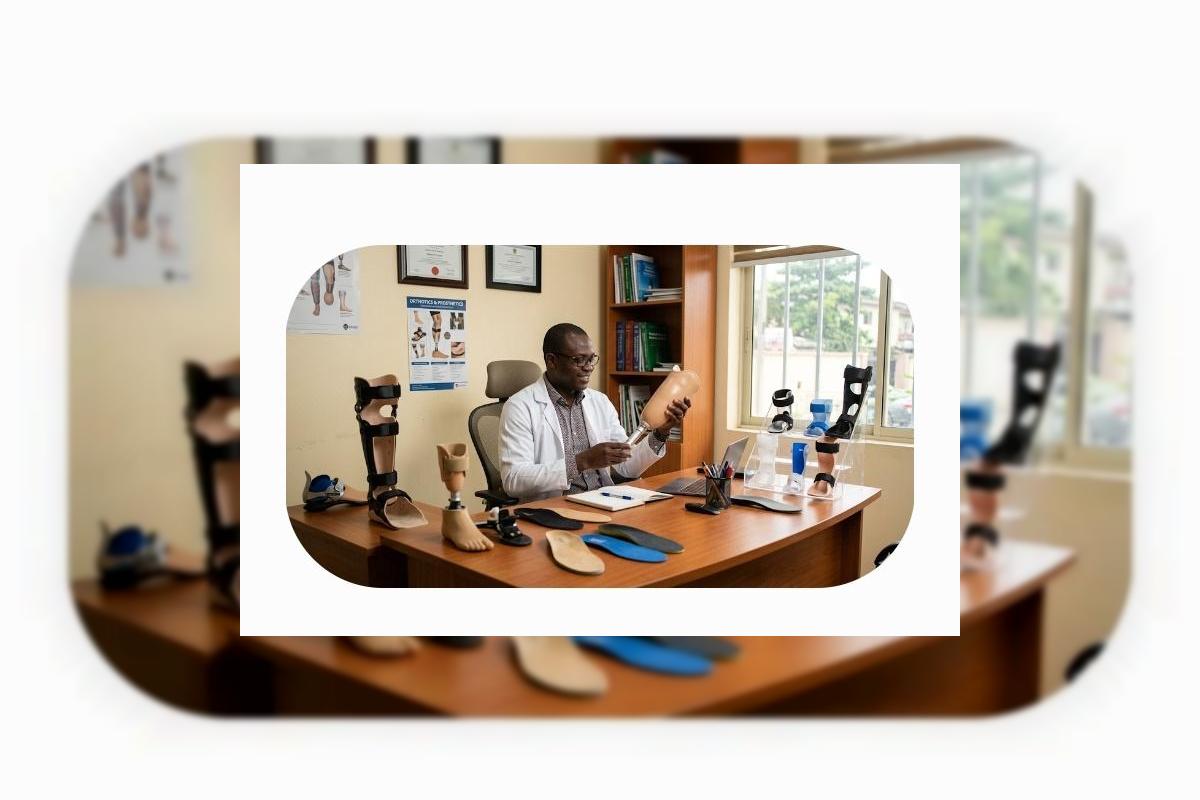
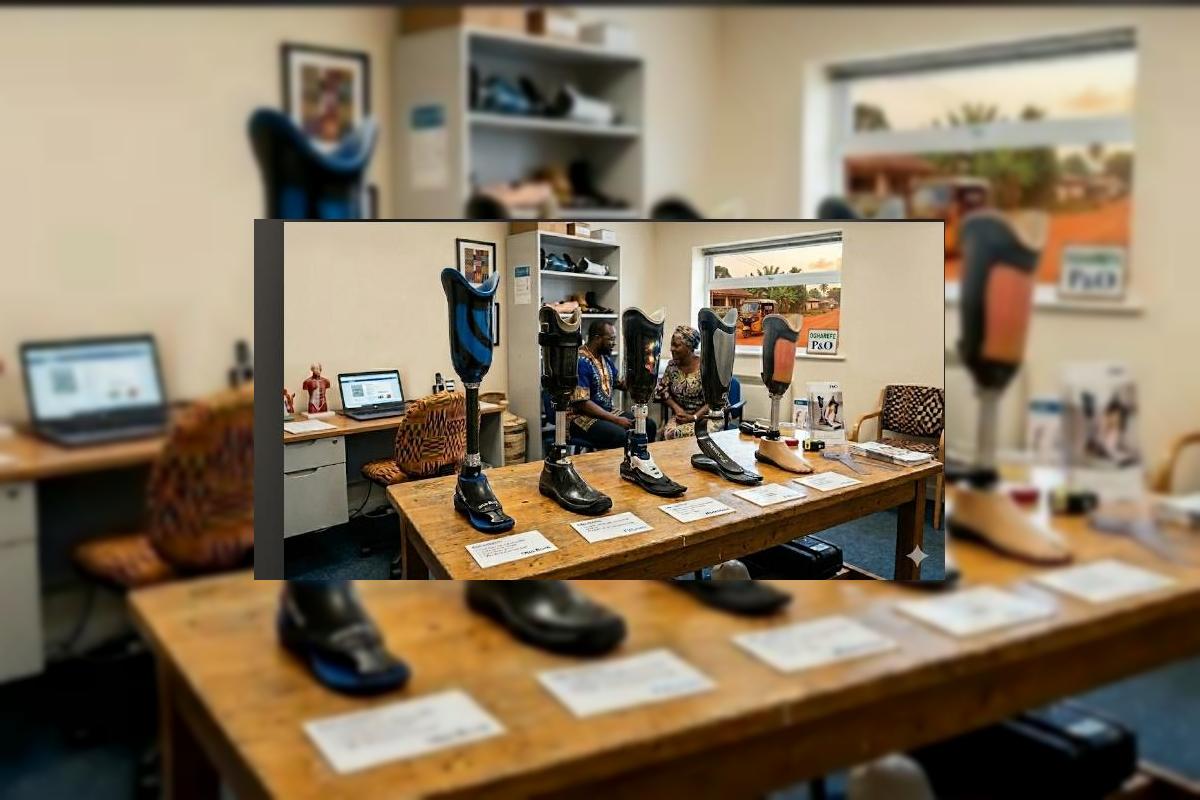
Several federal teaching hospitals have functional P&O departments with practitioners trained in Ponseti casting. Confirm capacity before travel provision varies by state and institution.
Mission & Faith-Based Hospitals
ECWA Evangel Hospital (Jos), Catholic hospitals in the South-East, and SIM-affiliated facilities have historically provided strong rehabilitative paediatric care, sometimes with NGO subsidies.
CBM International Partners
CBM International (formerly Christian Blind Mission) partners with Nigerian facilities to provide subsidised disability care. Their programmes have treated thousands of Nigerian children with clubfoot and other congenital conditions.
THE CHILD WHO RAN
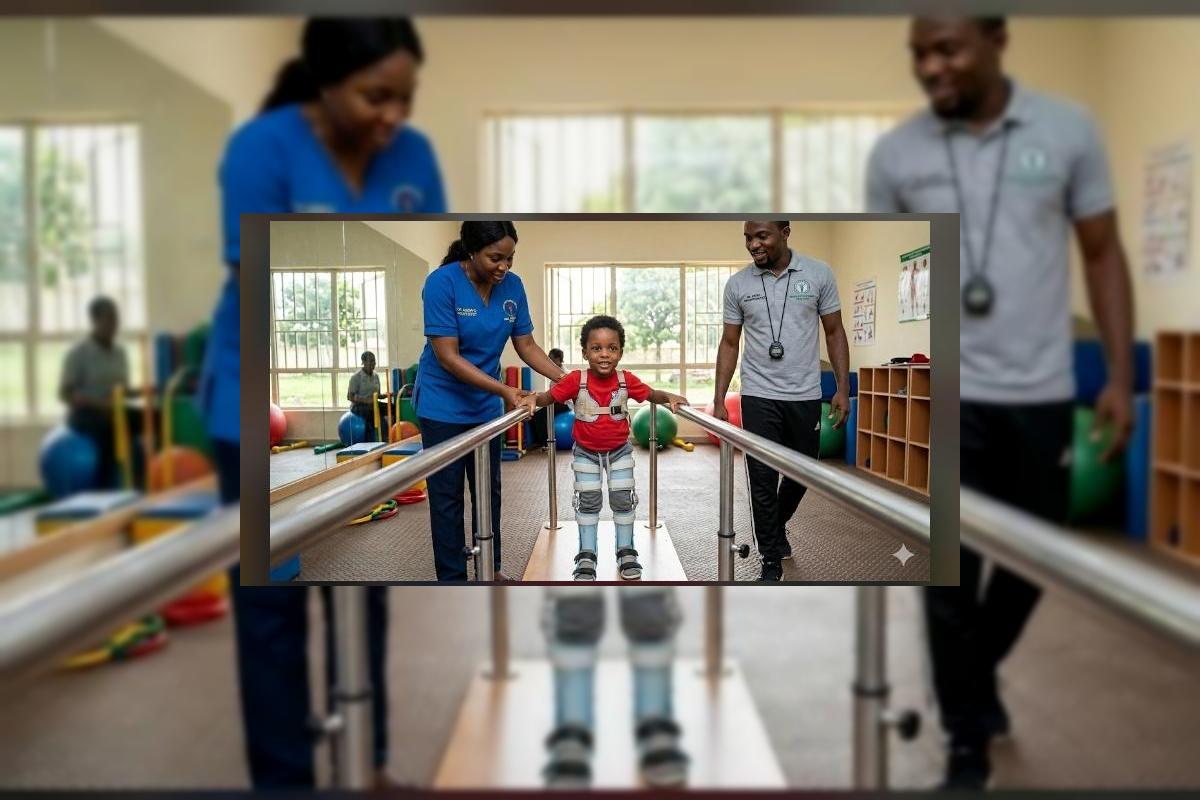
Her correction was not technically perfect the slight residual supination in her left foot is visible to a trained clinician and will require monitoring through adolescence. But she runs. She jumps. She argued loudly with her brother about whose turn it was on the swing set, and nobody watching her in that moment would know that she was born with both feet pointing in the wrong direction.
That is what early intervention does. That is what the Ponseti method does when a family receives the right information at the right time. The five months before her family reached the correct treatment cost Chiamaka additional casts, additional months, additional anxiety. But it did not cost her walking. It could have.
For the child whose family never finds the right information whose parents spend the first two years massaging oil into feet that will only set harder into their deformity it does cost walking. It costs pain free adulthood. It costs the swing set.
Nigeria cannot afford to keep getting this wrong. Not when the solution is this good. Not when the only thing standing between a child and a functional life is whether the right knowledge reached the right family in the right week.
Ortho Narra intends to be part of closing that gap one story, one parent, one shared article at a time. If this post reaches one family with a newborn before the palm oil is bought and the months pass, it has done its work. Share it.
If Your Baby Was Born With Clubfoot
Do not wait. Do not massage. Do not hope it resolves on its own. Seek assessment at the nearest teaching hospital, national orthopaedic hospital, or certified P&O clinic within the first two weeks of life if at all possible. The Ponseti method works. The earlier it begins, the fewer casts required, the simpler the correction, and the more complete the outcome. If you are outside a major city and cannot access specialist care immediately document the deformity with photographs, note the date of birth, and contact the nearest Federal Medical Centre for a referral pathway. You are not powerless. But you must begin.
Comments (0)
No comments yet. Be the first!
Please login to leave a comment
Login to Comment