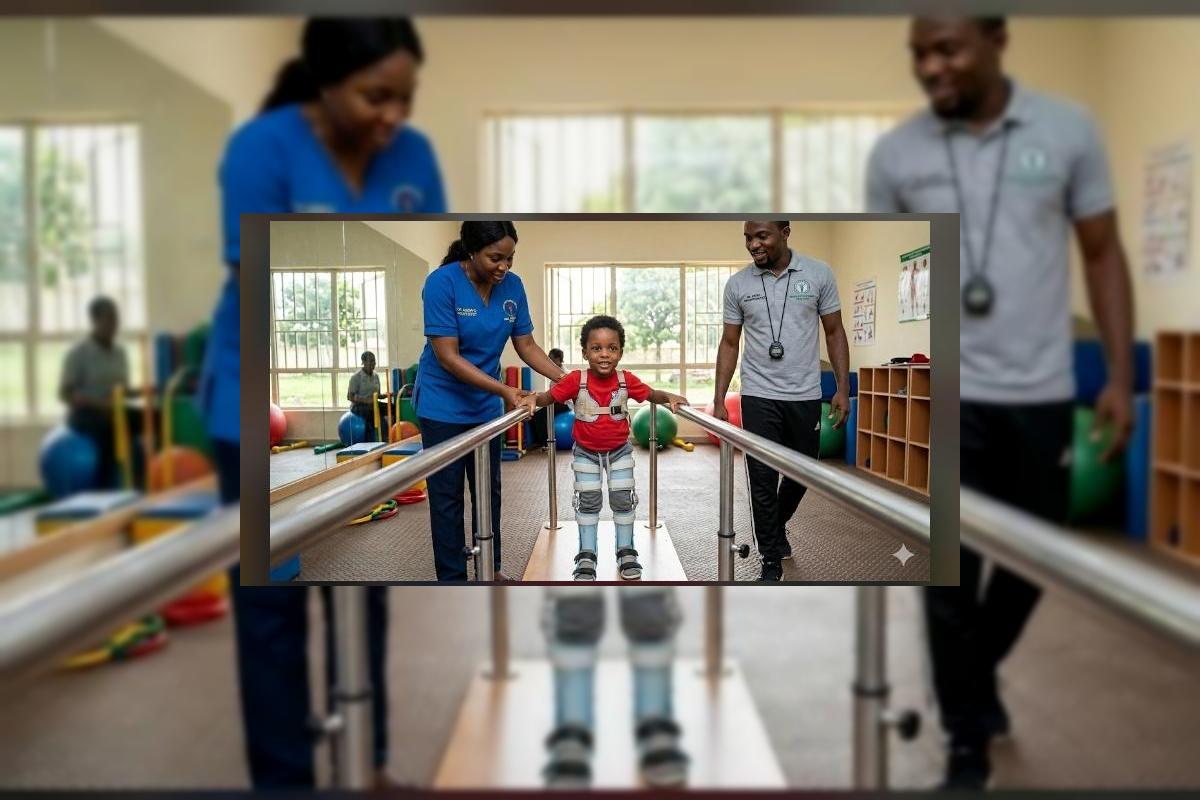

Every week, somewhere in Nigeria, a parent is told that their child with cerebral palsy will never walk. Sometimes that is medically true. But far too often, it is a verdict delivered not by evidence but by the absence of the right intervention, at the right time, in the right hands.
A Mother's Words in Benin City, Edo State
"They told me she would never walk. Three different hospitals, three different doctors. I accepted it. I buried my expectations like you bury something you cannot afford to keep hoping for. Then a prosthetist in a small clinic looked at her legs and said: 'We can work with this.' She is nine now. She walks to school."
Adaeze's Story
She was born limp and silent, and the first minutes of her life cost her something that no one could name yet. A prolonged labour. A cord wrapped tight. Oxygen, interrupted. By the time Adaeze drew her first breath in a secondary health facility outside Benin City, the damage to her developing brain small, silent, irreversible had already been done. She was eventually diagnosed with cerebral palsy, spastic diplegic type, at eleven months, after her mother noticed she was not reaching her motor milestones and her legs seemed perpetually stiff, scissoring when she was held upright.
The diagnosis arrived with a sentence that echoed through her family for years: "She may never walk independently." What it did not arrive with was a treatment plan, a referral to a physiotherapist, a mention of orthotic devices, or any information about what could be done during the critical developmental window that was, even then, quietly closing.
By the time Adaeze was seen by a prosthetist at age three, she had developed significant spasticity related deformities in both feet. Two years of untreated spastic diplegia had allowed her muscle tone imbalances to pull her joints out of alignment. What could have been managed with relatively simple orthotic intervention in infancy had become a more complex rehabilitation challenge. But it was not as three hospitals had implied hopeless.
What Is Cerebral Palsy And What It Is Not
Cerebral palsy (CP) is the most common motor disability in childhood. It results from damage to the developing brain most often during pregnancy, birth, or in the first few years of life that permanently affects a child's ability to control movement and posture. In Nigeria, the leading causes include birth asphyxia (oxygen deprivation during labour), neonatal jaundice left untreated, prematurity, and infections such as meningitis in early infancy. These are not rare events. In a country with significant gaps in obstetric care and neonatal management, cerebral palsy is disturbingly common.
What cerebral palsy is not and this distinction is critical is a sentence of total incapacity. The brain lesion that causes CP is non progressive: it does not get worse over time. What does get worse, if left unmanaged, are the secondary musculoskeletal consequences the contractures, the joint deformities, the asymmetrical muscle development that result from years of abnormal movement patterns acting on a growing body. This is where orthotics and rehabilitation enter the picture. Not to fix the brain, but to protect the body while the brain learns.
Spastic Hemiplegia
One Side Affected
One arm and leg affected. Often missed in early infancy. AFO on the affected side can significantly improve gait quality and prevent contracture.
Spastic Diplegia
Most Common Type in Nigeria
Both legs are affected with increased muscle tone. Scissoring gait, toe walking, hip adduction. Highly responsive to early AFO intervention and physiotherapy.
Spastic Quadriplegia
Severe, All Limbs
All four limbs are affected, often with trunk and head control difficulties. Requires complex orthotic management, positioning, and seating systems.
Dyskinetic CP
Involuntary Movement
Involuntary, uncontrolled movements. Often linked to neonatal jaundice (kernicterus) in Nigeria. Orthotic management requires careful assessment.
The Role of Orthotics: More Than a Brace
When most Nigerians hear the word "brace" in the context of a child with CP, they picture a heavy, metal caliper a painful, ugly device that signals a child's limitation to the world. This image, shaped by decades of outdated equipment in underfunded hospitals, has done enormous damage to the acceptance of orthotic intervention in Nigerian communities.
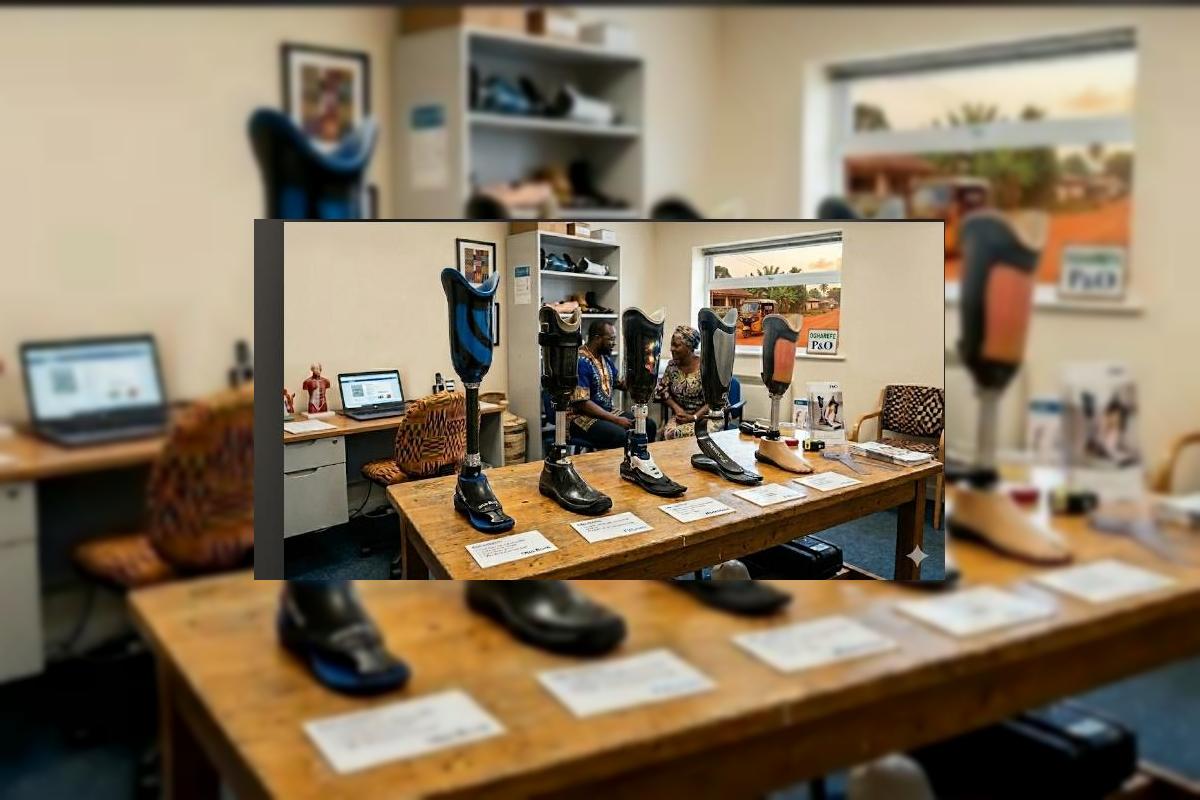
The modern Ankle-Foot Orthosis (AFO) the most commonly prescribed orthotic device for children with spastic CP is nothing like that image. Fabricated from lightweight thermoplastic materials and fitted precisely to each child's anatomy, a well made AFO holds the foot and ankle in a neutral, functional position. It does not restrict the child. It gives the child's neuromuscular system a stable platform from which to learn movement patterns that spasticity would otherwise prevent.
For children with spastic diplegia, bilateral AFOs used consistently during the key walking development years typically between ages one and five can prevent the equinus contracture (fixed downward foot position) that leads to permanent toe walking and hip flexion deformities. For children with hemiplegia, a unilateral AFO can correct the asymmetrical gait pattern that, uncorrected, leads to scoliosis and chronic back pain in adolescence. In severe quadriplegic CP, KAFOs (Knee-Ankle-Foot Orthoses), standing frames, and custom seating systems maintain skeletal alignment, prevent pressure sores, and support the respiratory and digestive function that upright posture facilitates.
These are not luxury interventions. They are standard-of-care components of CP management in every country where paediatric rehabilitation is taken seriously. In Nigeria, they remain inaccessible to the majority of children who need them.
The Window That Closes and Does Not Reopen
The central tragedy of delayed intervention in childhood CP is neuroplasticity the very thing that makes early intervention so powerful also makes the loss of that window so costly. The young brain, particularly in the first five years of life, is extraordinarily adaptable. Rehabilitative input during this period consistent sensory experience, movement patterning, weight-bearing can genuinely shape the neural pathways that govern motor function. The right orthotic device, worn during this window, is not merely mechanical support. It is, in a real neurological sense, a teaching tool.
Orthotic Intervention Effectiveness by Age Spastic CP
The Earlier the Intervention, the Greater the Functional Gain
0–4 yrs
Critical window — maximum neuroplasticity.
4–7 yrs
Strong benefit — functional gait development.
7–12 yrs
Moderate benefit -contracture prevention
12+ yrs
Late intervention — correction more limited
After age seven, the plastic window narrows significantly. The neural pathways that govern gait become progressively harder to reroute. Contractures that have been developing for years become structural requiring surgical correction rather than orthotic prevention. The financial and human cost of treating a ten year old with established equinovarus deformity is many times greater than the cost of fitting a two year old with bilateral AFOs and enrolling them in physiotherapy. Yet because early intervention requires infrastructure that Nigerian public health rarely provides, families repeatedly arrive years too late not through negligence, but through ignorance of what was possible and unavailability of what was needed.
What Nigerian Parents Must Know Today
If your child has been diagnosed with cerebral palsy or if you suspect CP based on missed developmental milestones, persistent stiffness, or abnormal movement patterns these are the steps that current evidence supports:
Evidence Based Action Steps for Families
Do not wait for the child to "grow out of it."
CP is non progressive, but the musculoskeletal consequences worsen with every month of untreated spasticity acting on a growing skeleton.
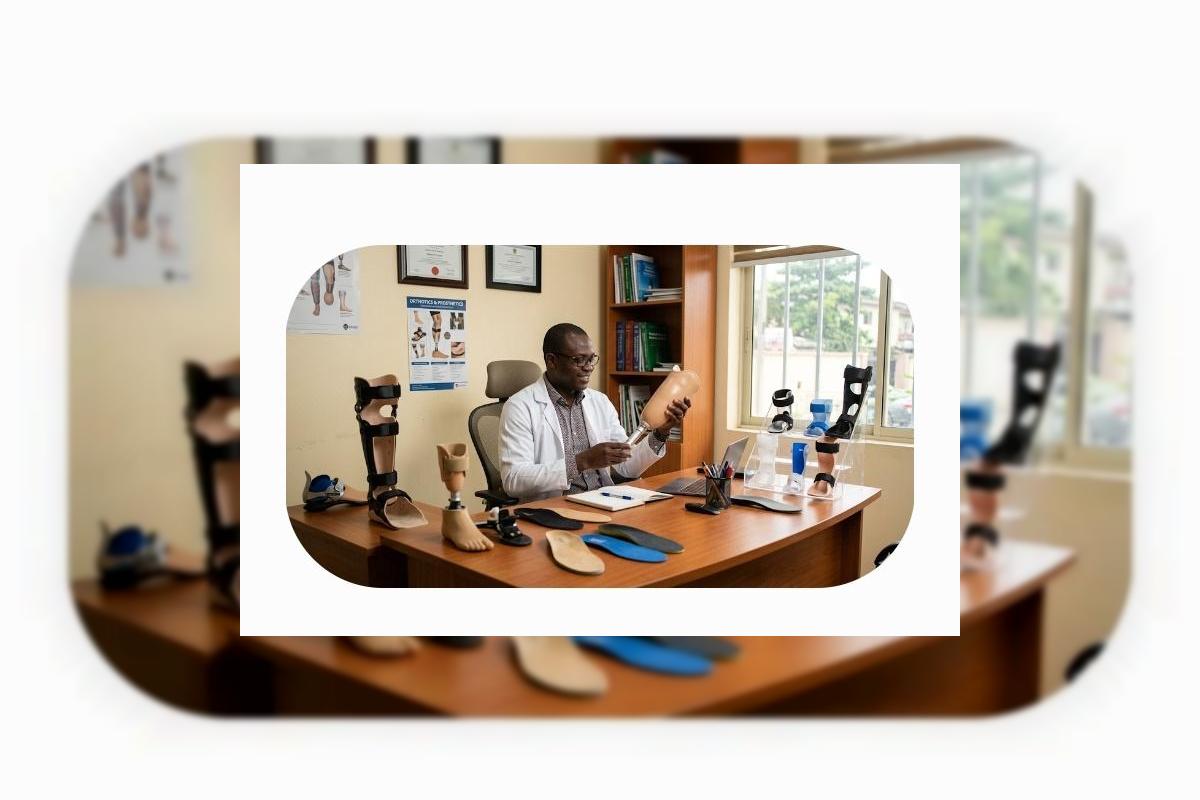
Request a referral to a prosthetist or orthotist
for a limb assessment, even if your paediatrician has not mentioned it. P&O assessment is part of the standard multidisciplinary CP care team globally.
Seek physiotherapy immediately.
Even before an orthosis is fabricated, physiotherapy guided stretching, positioning, and movement patterning begin protecting the joints.
Ask specifically about AFOs.
For most children with spastic CP affecting the lower limbs, an ankle foot orthosis is the single most impactful orthotic intervention available
Explore NGO and mission hospital pathways.
Organisations such as CBM International, Cheshire Disability Services Nigeria, and some mission affiliated hospitals offer subsidised P&O services for children with disabilities.
Document everything.
Every assessment report, every device fitted, every therapy session this documentation becomes vital for accessing further support, school accommodations, and future care.
Adaeze at Nine
The prosthetist who saw Adaeze at age three fabricated bilateral solid AFOs from locally sourced thermoplastic materials. They were not sophisticated by global standards. But they were fitted correctly, reviewed regularly as her feet grew, and combined with a structured physiotherapy programme that her mother committed to with extraordinary discipline travelling twice a week from their home to the clinic, adjusting the family's budget around therapy costs, fighting the persistent pressure from relatives who called the devices "unnecessary torture."
Adaeze is nine now. She walks to school not without effort, not without the gait pattern that marks her as different to her classmates' eyes but she walks. Under her own power. On her own feet. In a school uniform. Carrying a backpack. Her mother still cries when she talks about it, because she still remembers the hospital that told her not to hope.
The hospitals were not lying when they gave that prognosis. They simply could not see past the limits of what their system had to offer. A system with properly integrated P&O services, early referral pathways, and affordable orthotic devices would have given them a different answer to give and Adaeze a different first three years.
That system does not yet exist at scale in Nigeria. But the knowledge of what is possible does. And knowledge, shared widely enough, begins to build the pressure that changes systems.
That is why this story is being told.
For Parents & CaregiversIf your child has cerebral palsy and you have questions about orthotic options, physiotherapy pathways, or how to access P&O services in your state, Ortho Narra is building a resource guide for Nigerian families. The conditions are real. The interventions exist. You deserve to know about them. Share this article with any parent navigating a CP diagnosis the earlier they read it, the more time their child has.
Comments (0)
No comments yet. Be the first!
Please login to leave a comment
Login to Comment