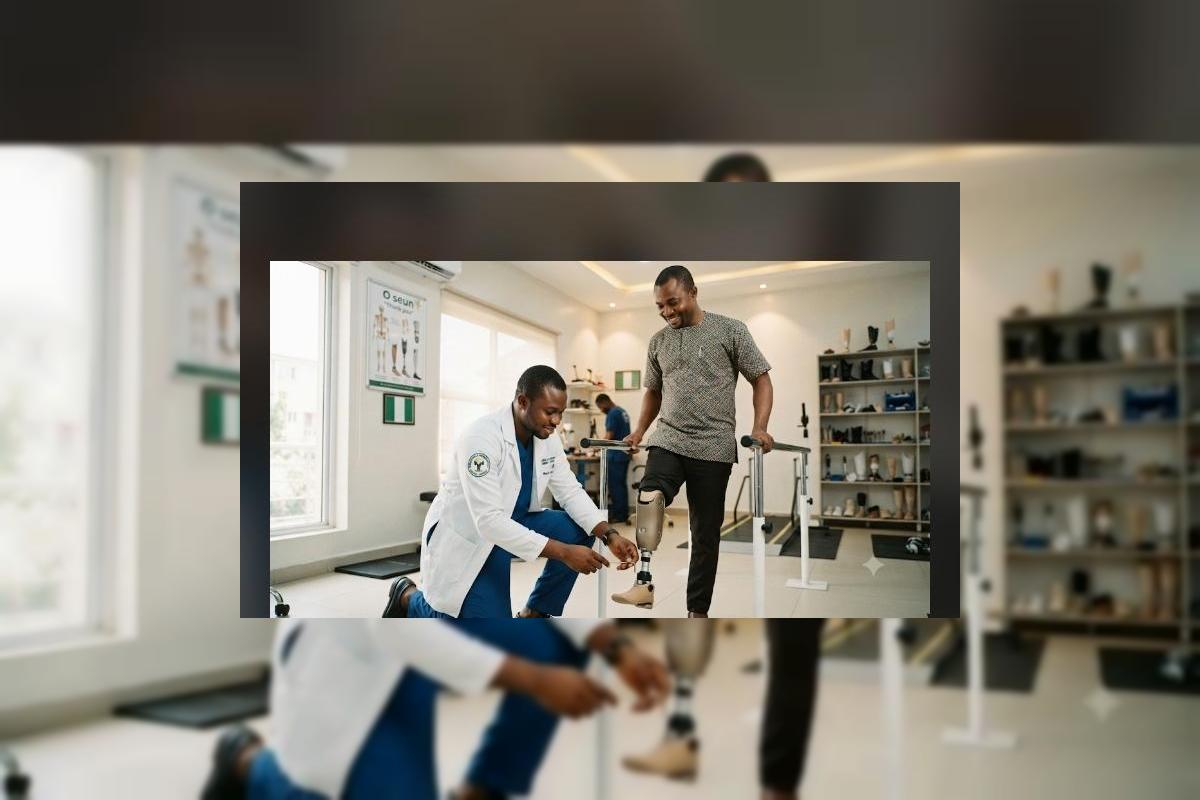

The silence surrounding dynamic prosthetic alignment in Nigeria is a hidden hurdle to true recovery. For an amputee, receiving an artificial limb is only the first step. When we focus exclusively on the components while ignoring precise, individualized biomechanical alignment, we trap the patient in an exhausting cycle of awkward limping, back pain, and ultimate device abandonment.
"Treating a prosthetic limb as a rigid tool that simply bolts onto the body is a fundamental clinical failure. True rehabilitation demands an obsessive commitment to dynamic alignment—adjusting every angle, center of gravity, and vector of force so that the artificial limb moves in complete harmony with the human body. — Orthonarra Public Awareness Desk"
In the landscape of prosthetic care in Nigeria, we find ourselves facing a critical distinction: the difference between possessing a prosthesis and mastering it. A high-tech bionic knee or a lightweight carbon-fiber foot is virtually useless if it is misaligned by even a few millimeters. When a socket and foot are incorrectly positioned relative to the user's center of mass, every step forces the body to compensate. The patient begins to 'vault,' hike their hip, or lean aggressively to one side just to clear the ground. These unnatural compensations drain energy, destroy posture, and cause severe secondary strain on the lower back and sound-side joints. Professional dynamic alignment is the meticulous science of tuning these mechanical angles, transforming a cumbersome tool into a seamless extension of the individual.
The Three Barrier Cards: Why Misalignment Stalls Amputee Independence
To revolutionize prosthetic outcomes across the country, we must dismantle the three structural oversights that turn functional limbs into sources of frustration.
| Barrier | The Impact on the Patient | The Necessary Shift |
|---|---|---|
| The 'Plug-and-Walk' Myth | Assuming a new artificial limb works instantly out of the box without fine-tuning structural alignment angles. | Mandating rigorous static and dynamic bench alignment checks for every single prosthetic delivery. |
| Ignoring Postural Compensation | Overlooking the limps and tilts patients adopt to manage a poorly balanced limb, leading to chronic back pain. | Combining alignment sessions with visual and functional gait analysis to correct posture early. |
| Lack of Follow-Up Tuning | Failing to adjust alignment as the patient's muscle strength, walking speed, and confidence evolve over time. | Establishing lifelong maintenance pathways where prosthetic alignment is regularly re-evaluated. |
"Alignment is the invisible geometry of movement. When the lines of force match your body's natural physics, walking takes half the effort and feels twice as natural."
Clinical Profile: The Physics of Prosthetic Balance
Human walking is a controlled fall, relying on a delicate transfer of momentum from the heel strike to the toe-off. For an amputee, the prosthetic componentry must replicate this fluid momentum. A certified prosthetist uses specialized alignment tools and bench testing to adjust the "line of progression"—ensuring that the ground reaction vector passes precisely through the correct stability points of the knee and ankle joints. If the foot is set too far forward or backward, the knee may buckle or feel heavy and resistant to bend. By fine-tuning these spatial relationships, the prosthetist eliminates unnecessary friction, reduces socket pressure peaks, and restores a natural, energy-efficient gait cadence.
What Changes Everything: The Action Strip
Prioritizing precision dynamic alignment delivers five decisive biological and societal breakthroughs:
1 Drastic Reduction in Metabolic Energy Expenditure
Properly aligned limbs require significantly less physical effort to swing and step, allowing patients to walk longer distances without exhaustion.
2 Protection of Spine and Joint Health
Eliminating compensatory limps protects the hips, lower back, and sound leg from the premature wear and tear of unbalanced posture.
3 Eradication of Socket Pressure Hotspots
When forces are balanced through correct alignment, the residual limb stops crashing against the walls of the socket, preventing painful skin breakdown.
4 Immediate Confidence and Fluidity
A well-aligned prosthesis provides intuitive stability, giving the user the mental security to navigate uneven terrain without fear of falling.
5 Prevention of Device Abandonment
When a limb feels balanced, comfortable, and natural, patients embrace it as part of their daily life rather than leaving it in the corner.
A Call to Action
To amputees: If your new limb feels heavy, awkward, or forces you to strain your back, do not accept it as 'normal'—demand a comprehensive dynamic alignment check. To our prosthetic teams: Never rush the alignment phase; the technical precision you put into tuning the angles defines your patient's independence. To our policymakers: Support specialized training programs to expand expert clinical engineering across Nigeria. Orthonarra will continue to expose these critical clinical realities until precision biomechanical care is the standard baseline in every community. Complete independent mobility is a lifetime birthright, and your alignment must be perfect.

Comments (0)
No comments yet. Be the first!
Please login to leave a comment
Login to Comment