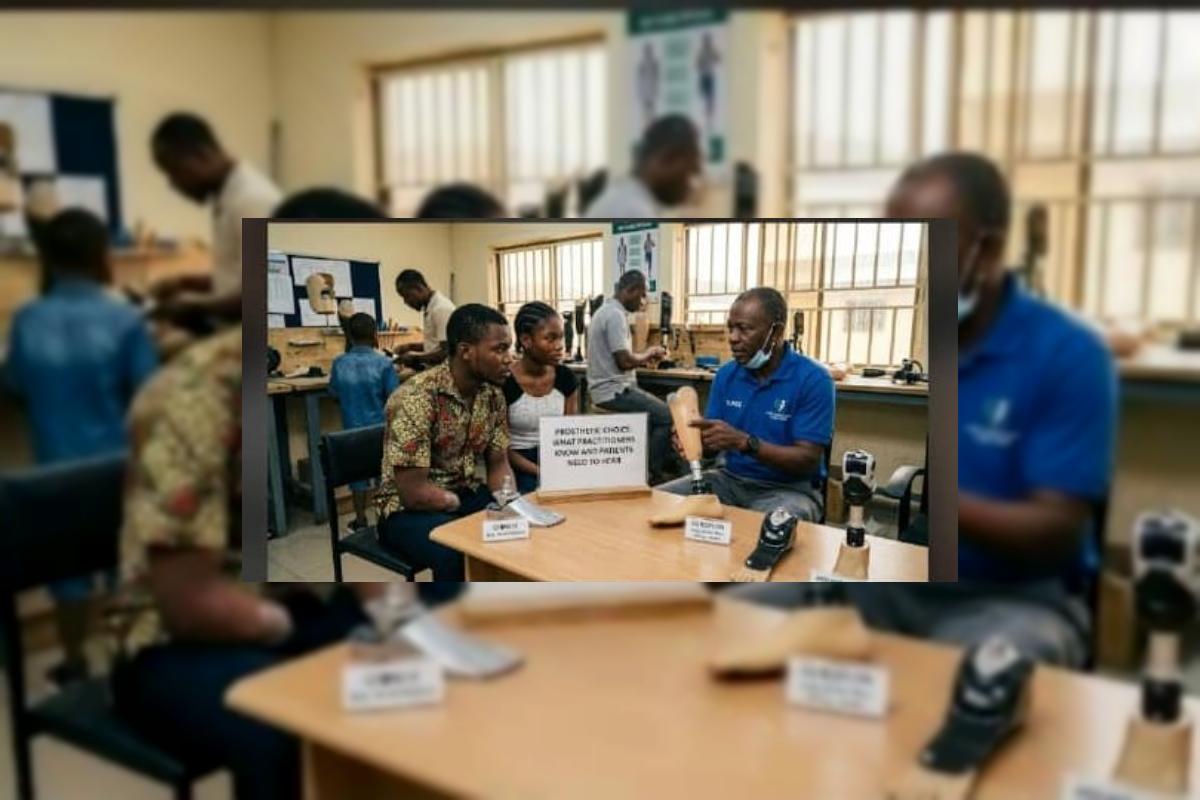

The prosthetic marketplace in Nigeria is flooded with choices, often presented as a battle between affordability and prestige. However, for the person who actually has to walk on these devices every day, the conversation between "Chinese" and "European" components is often obscured by marketing jargon. It is time to move past the brand names and talk about the actual performance, durability, and clinical reality of these components on Nigerian soil.
"I was sold a 'top-tier' European knee joint that was designed for smooth, flat, carpeted floors in a European climate. Within four months of walking on Lagos’s dusty, uneven roads and dealing with our humidity, the internal precision bearings were seized. I spent a fortune on the 'best,' but it was never built for my reality. My neighbor has a robust, simpler joint from an Asian manufacturer that has lasted him two years of market runs. I learned the hard way: the best device isn't the most expensive one; it's the one that survives the environment. — Chinedu, Lagos"
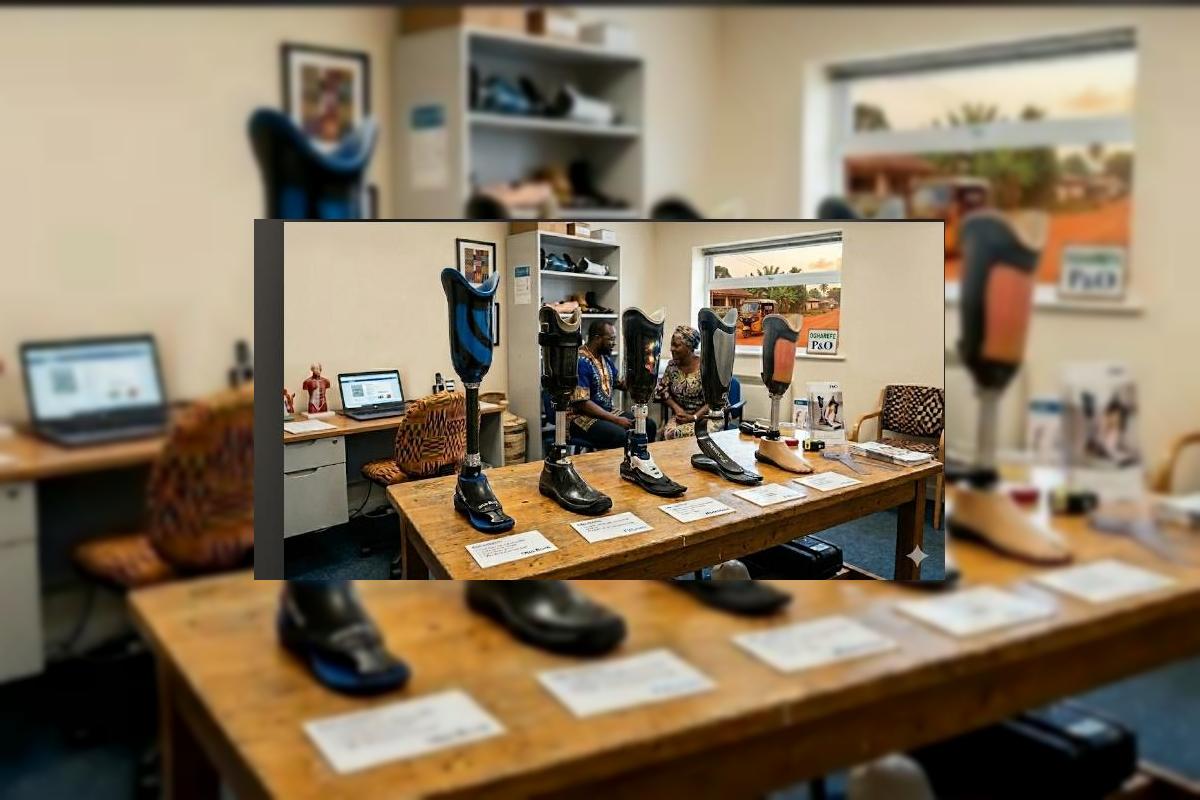
In the P&O community, practitioners often see a stark divide in patient outcomes based on this component debate. European components are frequently engineered with incredible precision, high-energy return materials, and sleek, lightweight aesthetics. However, they are often designed for clinical settings and urban environments that bear little resemblance to the rugged, high-impact usage patterns seen in Nigeria. Conversely, many Chinese components—often branded as budget-friendly—have evolved rapidly to provide robust, high-durability solutions that handle grit, moisture, and high-impact loading with surprising resilience. The reality is that "European" does not automatically mean "better for Nigeria," and "Chinese" does not automatically mean "low quality".
The Three Critical Reality Checks: Choosing the Right Component
To make an informed choice, families and patients must look past the country of origin and evaluate the component based on these three clinical realities.
| The Factor | The European Consideration | The Asian Consideration |
|---|---|---|
| Environment Resilience | Often susceptible to dust/grit in precision parts. | Typically built with tolerances that handle dust better. |
| Maintenance Ease | Requires specialized tools/parts often unavailable locally. | Often modular and easier to repair with basic workshop tools. |
| Energy Return | Superior performance for high-activity athletes. | Focused on durability and baseline functional stability. |
"A prosthesis is only as good as the clinician’s ability to maintain it. In Nigeria, the most 'advanced' knee joint in the world becomes a paperweight the moment it breaks if no one in the country has the specific spare parts to fix it."
The Mechanics of Choice: What Practitioners Know
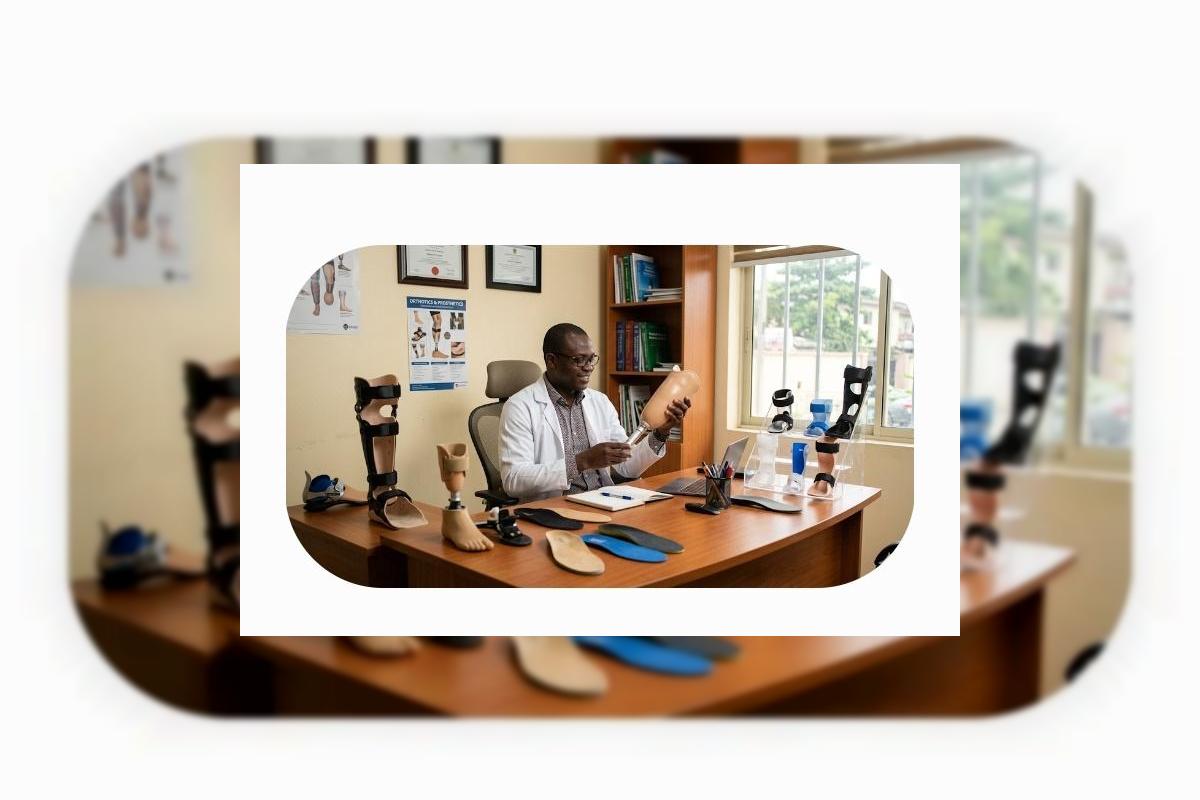
Practitioners know that a European-made, high-activity foot unit is a masterpiece of carbon-fiber engineering, but they also know that if a patient cannot afford the six-month maintenance cycle, that foot unit will fail. Many practitioners now advocate for "hybrid builds"—using a high-quality, durable Chinese pylon and joint assembly, paired with a custom-molded socket that emphasizes patient comfort and skin integrity. This approach provides the best of both worlds: stability and durability for the environment, combined with the personalized clinical expertise that is the true foundation of a successful prosthesis.
The Five Rules for Selecting Your Prosthetic Parts
Before committing to any component, ask your prosthetist these five questions to ensure the device is right for your life in Nigeria.
1 Is this part standard-issue or proprietary?
Can other clinics service this part, or are you locked into a single provider who may be the only one with the necessary tools?
2 What is the replacement cycle for internal parts?
Know how often the internal springs, gaskets, or bumpers need to be replaced, and ensure those parts are physically available in Nigeria.
3 How does it handle sand, water, and heat?
Ask if the joint is sealed or "open." Sealed joints are much better for the Nigerian climate, preventing grit from grinding down the internal mechanism.
4 Is the design modular or fixed?
Modular systems allow the prosthetist to change just one broken part rather than replacing the entire leg, saving you significant costs over the years.
5 Does the warranty apply in Nigeria?
Many warranties are voided if the part is not serviced by an authorized distributor. Ensure the supplier has a real, reachable office in the country.
The Shift: From Brand Prestige to Performance Reality
The deep forest green and terracotta palette reflects our move toward functional, grounded reality. We are shedding the bias of brand prestige to embrace the performance that actually keeps Nigerians moving.
| The Prestige Trap (Neglect) | The Performance Reality (Success) |
|---|---|
| Buying a brand because it is "European." | Buying a part because it is durable and serviceable. |
| Ignoring the maintenance reality. | Prioritizing modular, easily repaired components. |
| Assuming high cost = high longevity. | Assessing cost-per-year of reliable usage. |
| Focusing on looks over function. | Focusing on environmental fit and gait stability. |
The goal of prosthetics is not to display a foreign brand name; it is to restore the independence of the user. We must demand that our clinics are honest about component limitations, maintenance requirements, and the true cost of ownership over a five-year period. Let us stop comparing countries of origin and start comparing the performance and durability required to walk the streets of our nation.
A Call to Informed Mobility
To the patients: Be bold—ask your prosthetist where the parts are made and, more importantly, how they will be serviced in two years. To the clinicians: Your expertise is in matching the patient's lifestyle to the right component; be transparent about the pros and cons of European versus Asian engineering. To the suppliers: Bring in parts that are built for the Nigerian climate, not just for the showroom. The terracotta and green represent our ground—let's ensure our legs are as tough as the earth we walk upon. OrthoNarra will keep pulling back the curtain on component choices until every patient walks with knowledge and confidence. Mobility is the bedrock of our progress.
Comments (0)
No comments yet. Be the first!
Please login to leave a comment
Login to Comment