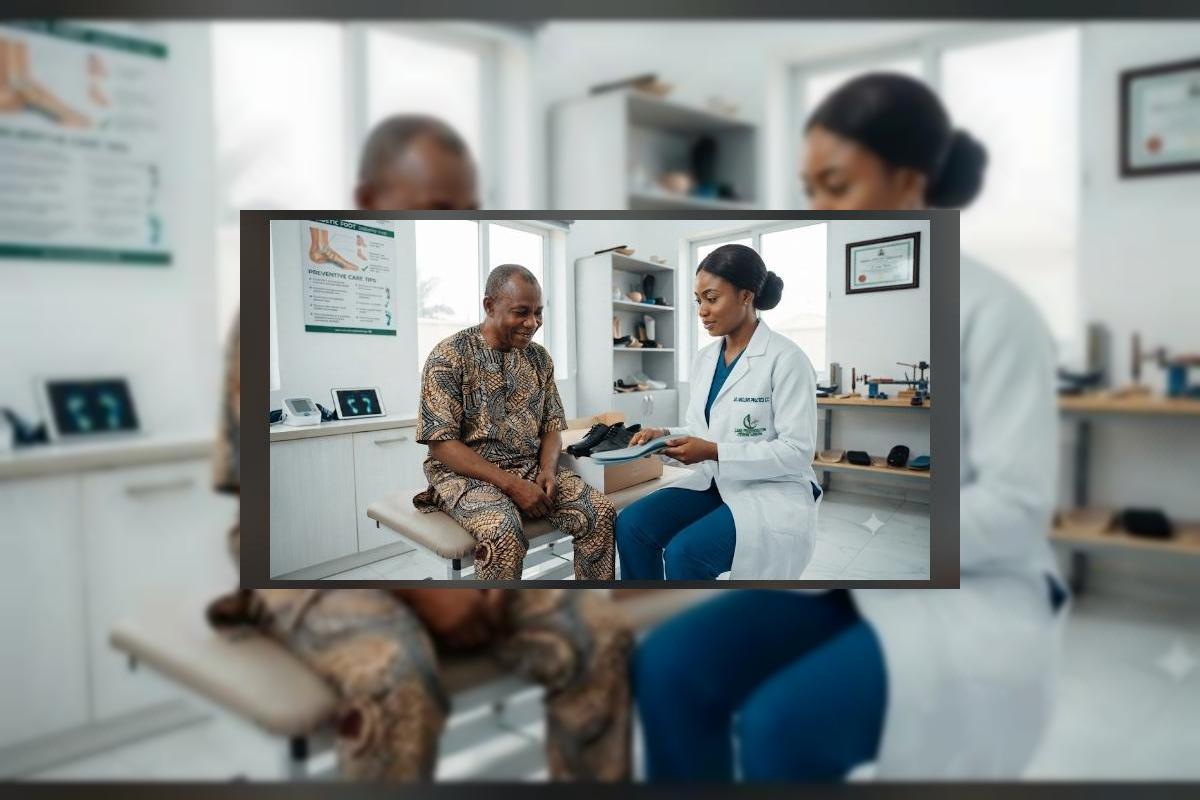

The silence surrounding diabetic foot management in Nigeria is a ticking medical time bomb. For millions of adults living with diabetes, relying solely on blood sugar medication while ignoring the mechanical pressures destroying the bottom of their feet is a direct path to neuropathic ulcers, gangrene, and preventable limb amputation.
"Treating diabetic neuropathy with drugs alone while letting high-pressure hotspots grind away at an insensate foot is a fatal clinical failure. True advocacy demands that we integrate precision-molded offloading insoles into the very first line of defense, refusing to let silent friction turn a manageable blister into a life-threatening surgical tragedy. — Orthonarra Public Awareness Desk"
In the landscape of chronic disease management in Nigeria, diabetic foot complications represent one of the most devastating yet entirely preventable crises. When diabetes damages the nerves (neuropathy), patients lose the ability to feel pain, heat, or cold in their feet. A small pebble in a shoe, a tight seam, or high-pressure friction during walking creates a hotspot that the patient cannot feel. Without pain to sound the alarm, the skin breaks down, an ulcer forms, and because diabetes impairs healing and blood circulation, that small sore rapidly escalates into a severe infection. Custom diabetic insoles and specialized therapeutic footwear act as an invisible shield. By redistributing body weight across the entire surface of the foot and removing pressure from vulnerable bony prominences, custom insoles prevent ulcers from ever forming in the first place.
The Three Barrier Cards: Why Nigerian Diabetics Face Preventable Amputations
To revolutionize diabetic foot care across the nation, we must dismantle the three structural blind spots that keep preventive orthotics out of standard medical treatment.
| Barrier | The Impact on the Patient | The Necessary Shift |
|---|---|---|
| The 'Pain-Free' Illusion | Patients assume their feet are fine because they don't hurt, completely unaware that nerve damage has silenced warning signals. | Mandating routine foot sensation and pressure mapping for every newly diagnosed diabetic patient. |
| Generic Shoe Reliance | Wearing flat, unsupportive off-the-shelf shoes that concentrate heavy pressure points directly under the metatarsal heads. | Replacing standard footwear with therapeutic shoes paired with custom multi-density offloading insoles. |
| Late Orthotic Referral | Orthotists are only consulted after an ulcer has already developed and bone infection (osteomyelitis) has taken root. | Integrating certified prosthetists and orthotists directly into hospital endocrinology and diabetes care teams. |
"When you cannot feel your feet, your shoes become your nervous system. If those shoes and insoles are not engineered to offload pressure, your steps become a silent hazard."
Clinical Profile: The Biomechanics of Pressure Redistribution
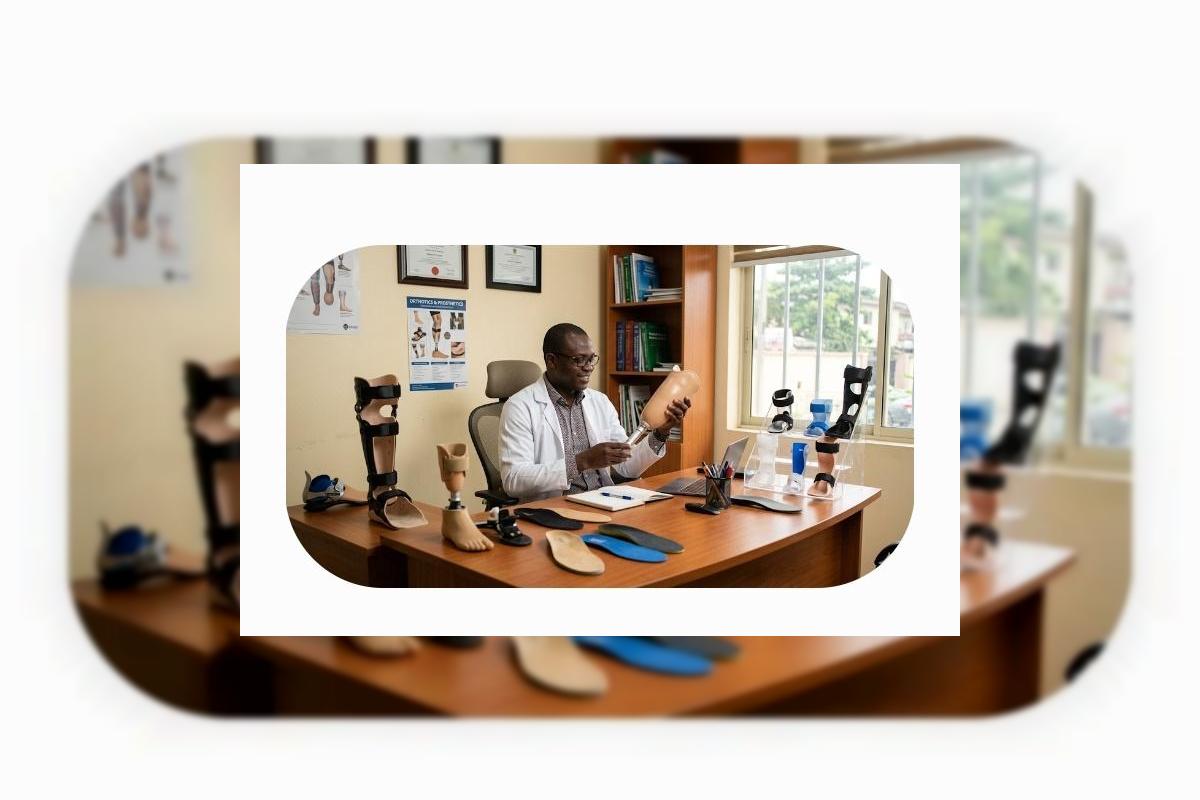
A healthy foot naturally shifts weight during walking, but conditions like diabetic neuropathy often cause structural changes, such as hammer toes or a dropped transverse arch, which concentrate high pressure under the ball of the foot. A certified orthotist uses specialized pressure-mapping technology and custom casting to identify these high-risk areas. They then fabricate multi-density custom insoles using shock-absorbing materials like Plastazote and Poron. These materials cushion the foot and redistribute body weight away from vulnerable zones, effectively neutralizing the mechanical friction that causes diabetic ulcers.
What Changes Everything: The Action Strip
Integrating custom diabetic insoles into routine care delivers five decisive biological and societal breakthroughs:
1 Eradication of Neuropathic Ulcers
Proper pressure offloading prevents the friction and high-stress hotspots that cause skin breakdown in insensate feet.
2 Dramatic Reduction in Amputation Rates
Stopping ulcers before they start cuts off the primary pathway leading to diabetic foot infections and lower-limb loss.
3 Protection Against Joint Deformities
Supportive arch structures prevent the structural collapse of the midfoot often seen in advanced diabetic conditions like Charcot foot.
4 Restored Confidence in Daily Walking
Comfortable, therapeutic footwear allows diabetic individuals to stay active and mobile, which is vital for managing blood sugar levels.
5 Lower Long-Term Healthcare Costs
Investing in custom preventative insoles costs a fraction of the heavy financial burden associated with hospital stays, surgeries, and wound care.
A Call to Action
To individuals living with diabetes: Do not wait for a sore to appear; inspect your feet daily and consult an accredited orthotist for custom offloading insoles. To our medical and endocrinology teams: Always include biomechanical foot assessment in your treatment plans; medication controls your blood sugar, but custom insoles protect your feet. To our healthcare policy makers: Subsidize preventative diabetic footwear and orthotic care across public hospitals to stop the rising tide of avoidable amputations. Orthonarra will continue to expose these critical clinical realities until proactive, science-backed diabetic foot care is available in every community. Your steps matter, and your feet deserve absolute protection.
Comments (0)
No comments yet. Be the first!
Please login to leave a comment
Login to Comment