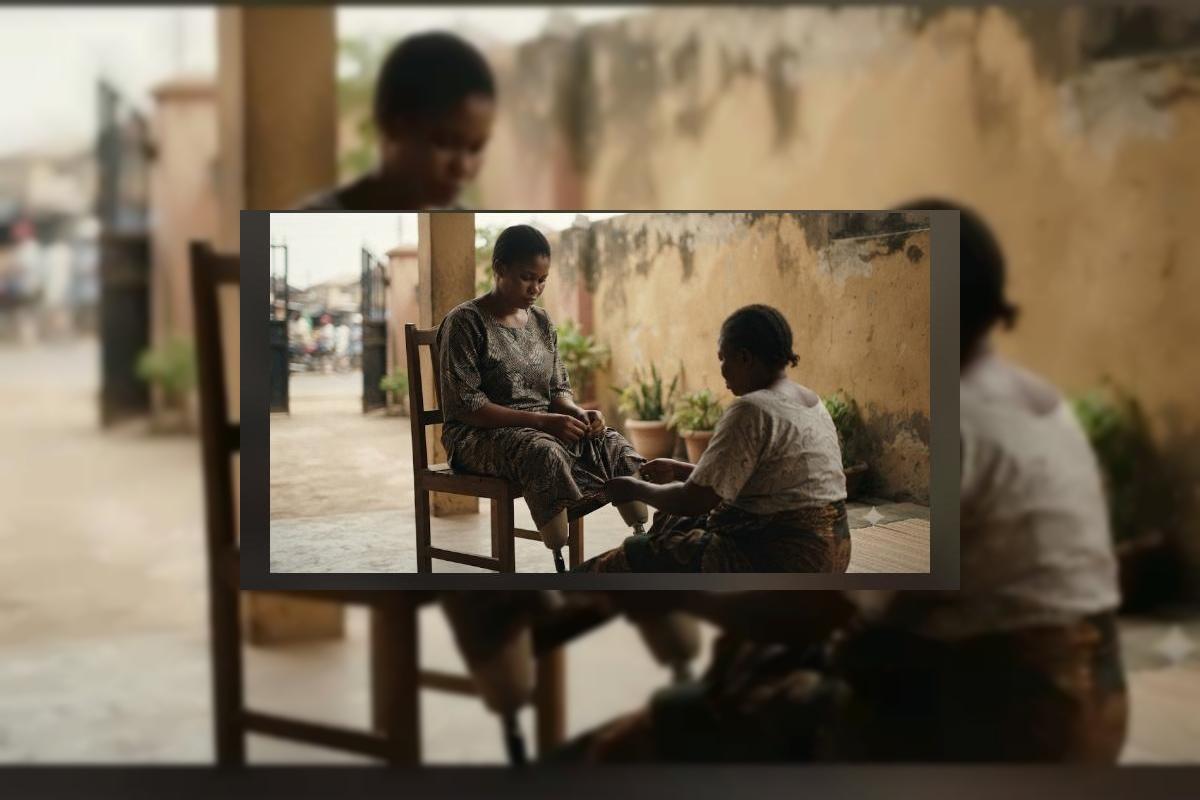

In many Nigerian households, disability is not discussed—it is endured in silence. For families, the burden of limb loss or physical difference often comes with an invisible weight: the fear of social judgment, the superstition of community elders, or the crushing pressure to "hide" a loved one from public view. Stigma remains the most significant barrier to rehabilitation, often proving more debilitating than the physical condition itself. To transform prosthetic and orthotic care in Nigeria, we must first address the cultural silence surrounding it.
"When my son lost his leg in the accident, my own family told me to keep him indoors. They said people would talk, that it was a 'bad omen,' or that he would never find a wife or work. I spent two years keeping him in the back room of our compound, fearing what the neighbors would whisper. I didn't realize that by hiding him, I was the one disabling his future more than the injury ever could. — Nneka, Enugu"
Stigma in Nigeria often manifests as a form of "protective isolation." Families, motivated by a desire to shield their loved ones from ridicule, inadvertently sever the very social ties that are necessary for recovery. This cycle of shame thrives in the dark. Whether it stems from traditional misconceptions, religious misinterpretations, or simply a lack of education, the result is the same: thousands of Nigerians remain trapped in their homes, missing out on the functional mobility and social inclusion that modern prosthetic technology could provide.
The Three Layers of Social Stigma
To break the cycle, we must understand the three distinct levels at which stigma operates in our communities.
| Level | Manifestation | The Cultural Shift Needed |
|---|---|---|
| Internalized Shame | Patients believing their disability makes them 'less than.' | Normalizing limb loss through public advocacy. |
| Family Secrecy | Hiding relatives to avoid community 'talk.' | Education sessions for elders and heads of households. |
| Societal Exclusion | Workplaces and social spaces not being 'friendly.' | Enforcing inclusion and accessibility laws. |
"A prosthesis is a piece of medical technology, not a secret. When a community sees a person walking with a high-tech, well-fitted device, the 'stigma' begins to dissolve into 'curiosity.' Visibility is the ultimate antidote to prejudice."
The Mechanics of Social Reintegration
True rehabilitation is 50% clinical and 50% social. A patient might have the best carbon-fiber foot in the world, but if they are too afraid to step out onto their village street, the technology is effectively useless. We are promoting a model where the clinical team acts as social advocates—engaging with families early in the process, providing counseling, and even facilitating community "re-entry" conversations to prepare the environment for the patient’s return.
The Five Pillars of Stigma Eradication
For Nigeria to evolve, we must move toward these five strategic pillars of community engagement:
1 Champion-Led Advocacy
Highlighting local, successful amputees who are working, playing sports, and thriving—proving that disability does not define potential.
2 Family Support Networks
Creating safe spaces for families of amputees to share their fears and learn how to support, rather than hide, their loved ones.
3 Public Awareness Campaigns
Demystifying limb loss through media, radio, and community town halls to challenge the superstitions that lead to shame.
4 Inclusive Infrastructure
Pushing for ramps, accessible transport, and inclusive public spaces to make the presence of physically challenged people a normal sight.
5 Clinical Counseling Integration
Integrating mental health and family counseling into every prosthetic fitting appointment to address the emotional weight of limb loss.
The Strategic Shift: From 'Silence' to 'Strength'
The deep forest green and terracotta palette of our mission reminds us that we are building the future on our own soil. We are shifting the narrative from a culture of hiding to a culture of celebrating resilience. We want every Nigerian to know that their worth is not measured by the completeness of their body, but by the strength of their character.
| The "Hidden" Path (Stigma) | The "Visible" Path (Inclusion) |
|---|---|
| Disability as a source of shame. | Disability as a part of life's diversity. |
| Isolation of the patient. | Active participation in community. |
| Reliance on superstition. | Reliance on clinical evidence and care. |
| Fear of social repercussions. | Confidence in one's place in society. |
Stigma is a habit of the mind, and like any habit, it can be unlearned. Our mission at OrthoNarra is to ensure that no Nigerian family ever feels they must lock their loved one away. We will continue to shine a light on the stories of strength, the necessity of clinical care, and the power of radical inclusion. When we change how we speak about disability, we change how we live as a nation.
A Call for Radical Inclusion
To the families: The love you show your child or partner by letting them walk freely is the greatest gift you can give them—break the silence and reach out for support. To the community leaders: Use your platform to speak against the shaming of the disabled; a strong community is one that leaves no one behind. To the policy leaders: Inclusive public spaces aren't just for us—they are a testament to our national character. let's ensure we are cultivating a community that values every person’s steps. OrthoNarra will keep breaking the silence until every Nigerian lives with the dignity and inclusion they deserve. Mobility is the right of every citizen.
Are you a family member seeking guidance on how to support a loved one through the psychological adjustment of limb loss, and would you like to connect with a support group or counseling service in your area?
Comments (0)
No comments yet. Be the first!
Please login to leave a comment
Login to Comment