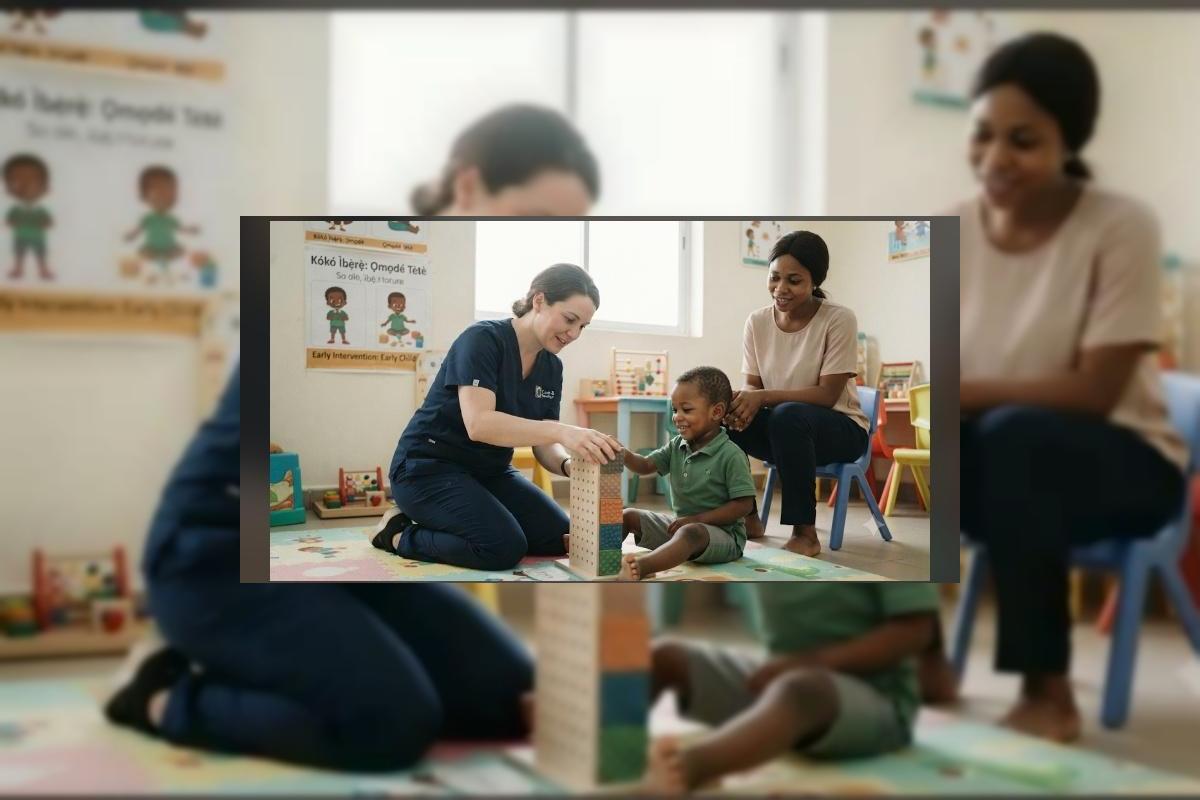

In the landscape of Nigerian healthcare, we often view disability through the lens of "management"—helping a person cope with a condition after it has already defined their life. But for a child with a developmental or physical disability, the most critical window for intervention is not adulthood or even late childhood; it is the first five years. This period is not just a stage of growth; it is the biological "golden window" that determines a child's entire future of independence, mobility, and capacity.
"We were told that our son's motor delay was something he would 'grow out of' naturally. We waited for school age to get him professional help, but by then, his joints were stiff, and he had already missed out on the vital developmental milestones his peers had reached. If we had known that the first five years were when his brain and body were most 'plastic' and ready for support, we would have started therapy the day we noticed the signs. — Father of Tunde, Ibadan"
The concept of neuroplasticity—the brain’s ability to reorganize itself by forming new neural connections—is at its peak during the first five years of life. In the context of disability in Nigeria, this means that every day of delay is a lost opportunity for the nervous system to compensate for, or overcome, a physical or cognitive impairment. When we wait to seek intervention, we are not just waiting for a clinic spot; we are allowing the window for the most efficient development of mobility and functional skills to slowly close. Treating a child at age two is fundamentally different—and exponentially more effective—than treating that same child at age seven.
The Three Barriers to Early Intervention in Nigeria
To secure the future of our children, we must remove the three primary hurdles that delay necessary interventions.
| The Barrier | The Resulting Risk | The Necessary Shift |
|---|---|---|
| The "Wait and See" Myth | Families lose months or years of critical developmental time. | Adopting a "Refer on Concern, Not Wait for Diagnosis" policy. |
| Centralized Care | Rural children go without screening, missing their prime window. | Mobile, community-based developmental screening clinics. |
| Lack of Awareness | Families may turn to non-professional 'bone-setters' for guidance. | National education on early warning signs of disability. |
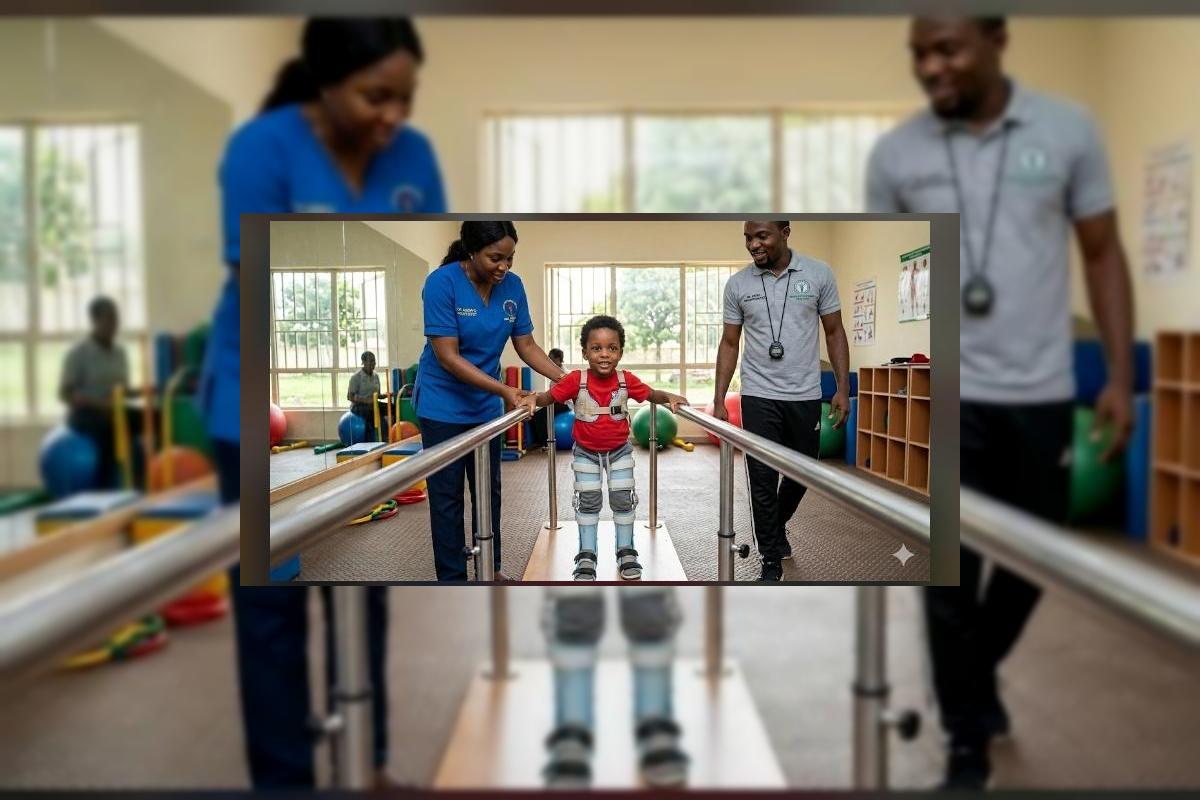
"Early intervention is not just medical; it is social. A child who gains mobility by age three is a child who plays with their peers, goes to school, and builds the confidence that will carry them through their entire life."
The Mechanics of Early Intervention: Why 'Early' is Everything
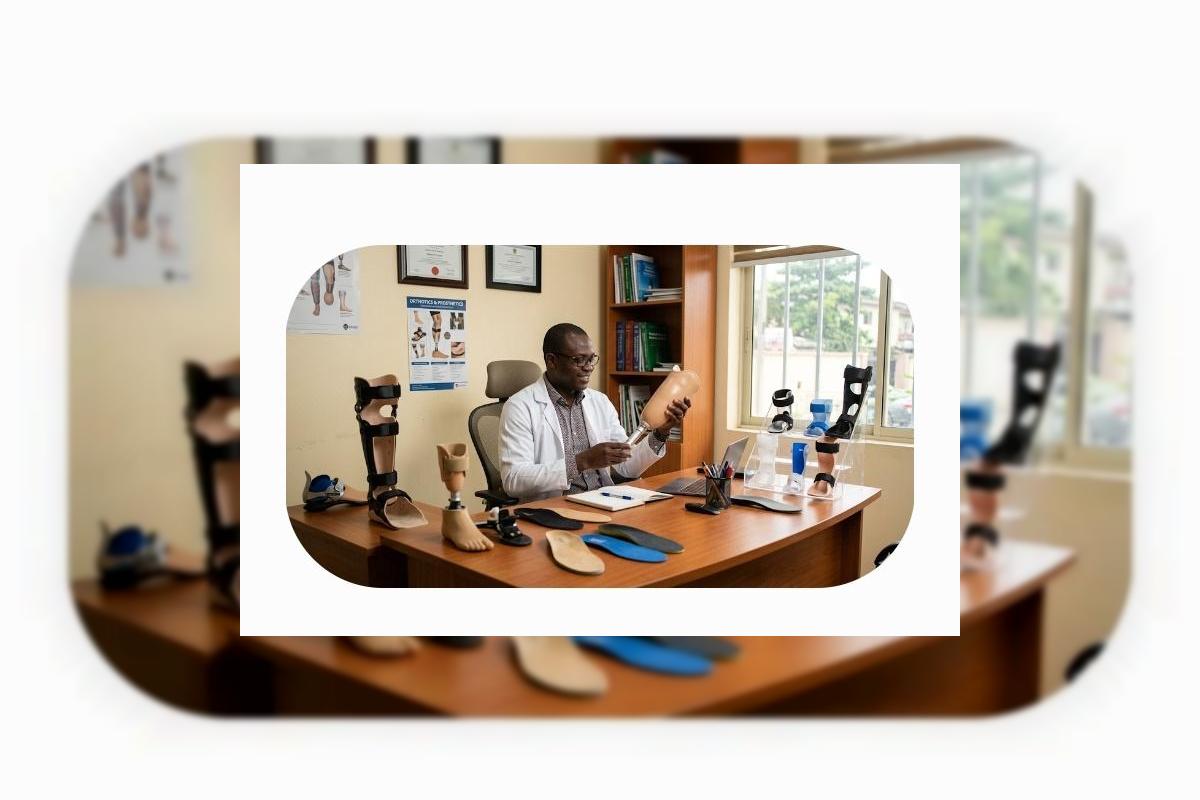
Early intervention works because it aligns medical support with the natural growth trajectory of the child. For a child with physical challenges, orthotic bracing during the toddler years encourages the skeleton to grow into a functional, aligned shape, rather than correcting a fixed deformity later. For a child with developmental delays, early therapy stimulates neural pathways that are actively searching for input. By providing support during the first five years, we are effectively "architecting" the child’s physical and mental capabilities for the decades that follow.
The Five Pillars of Early Developmental Support
To make the first five years count, the Nigerian healthcare system must prioritize these five pillars of early intervention:
1 Mandatory Developmental Screening
Integrate developmental milestone checks (e.g., crawling, walking, speech) into every routine immunization and postnatal visit.
2 Parental Empowerment
Equip parents with the knowledge to recognize early "red flags," such as significant asymmetry in movement or delayed sitting, so they can advocate for early assessment.
3 Decentralized Rehabilitation
Bring paediatric physiotherapy and orthotic services out of the teaching hospitals and into primary health centers within reach of every community.
4 Integrated Family-Centered Care
The first five years rely on the home environment; intervention must train parents to continue therapeutic activities in their daily life.
5 Early Access to Assistive Tech
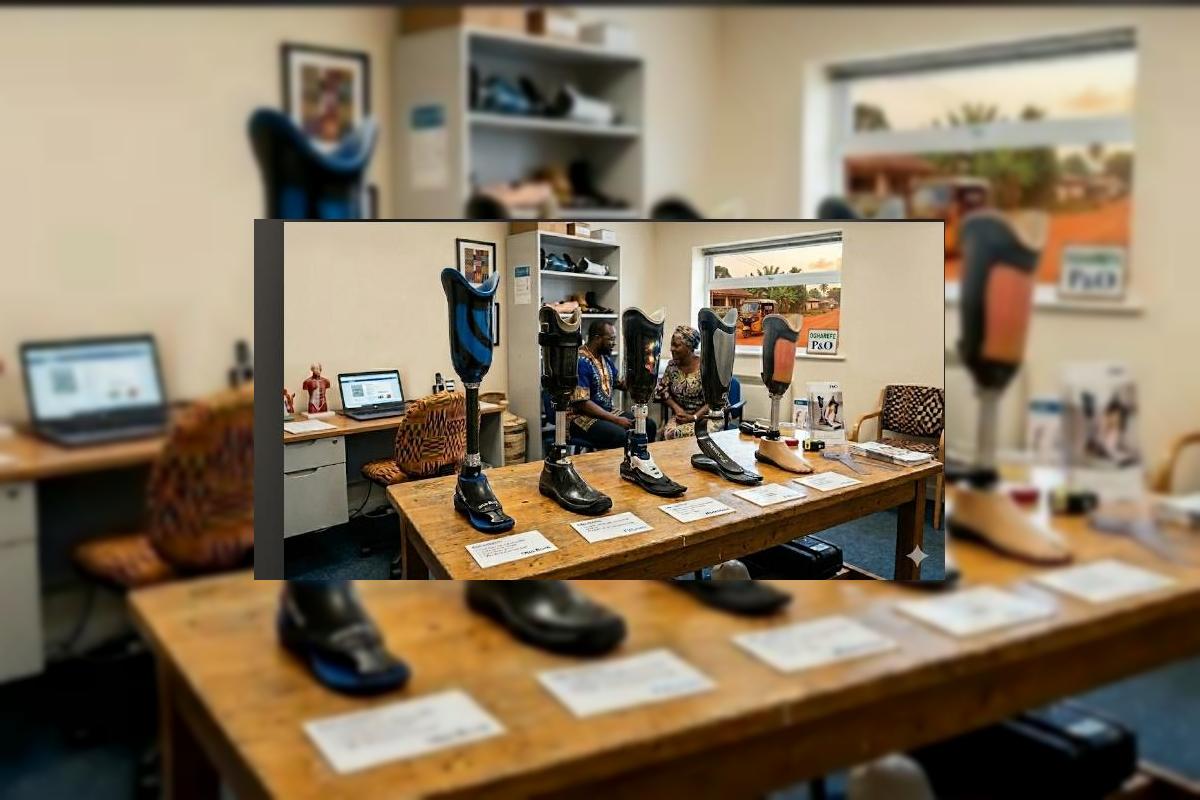
Ensure that adaptive equipment—like walkers, orthotics, or positioning seats—is available for toddlers, not just for adults or school-aged children.
The Strategic Shift: From Management to Potential
The deep forest green and terracotta palette reflects our commitment to the soil of Nigeria—the place where our children grow. We are moving from a model that manages disability as a lifetime burden to one that treats early development as a window of immense, untapped potential.
| The Delayed Path (Neglect) | The Early Intervention Path (Success) |
|---|---|
| Waiting for "maturation." | Active developmental support. |
| Fixed, permanent skeletal deformities. | Dynamic, aligned skeletal growth. |
| Social exclusion from schooling. | Inclusion via early mobility. |
| High reliance on future surgical repair. | Prevention through proactive orthotics. |
The first five years are the foundation of everything. In Nigeria, we must stop asking whether a child needs intervention and start asking how fast we can provide it. We have the clinicians, the knowledge, and the tools to change the life trajectory of thousands of children—the only variable left is the urgency of our action. Let us commit to a future where every child’s potential is supported from the moment it begins to emerge.
A Call for Early Action
To the parents: Observe, question, and demand assessment—you are the most important advocate your child has in these crucial early years. To the healthcare providers: Your vigilance at checkups is the difference between a child's struggle and their success; don't hesitate to refer. To the policymakers: Invest in early screening as the most cost-effective medical strategy available. The terracotta and green represent the land we cultivate—let's ensure we are cultivating our children's future with the same dedication. OrthoNarra will keep the lights on until every Nigerian child has the intervention they need to thrive, right from the start. Mobility is the key to their world.
Comments (0)
No comments yet. Be the first!
Please login to leave a comment
Login to Comment