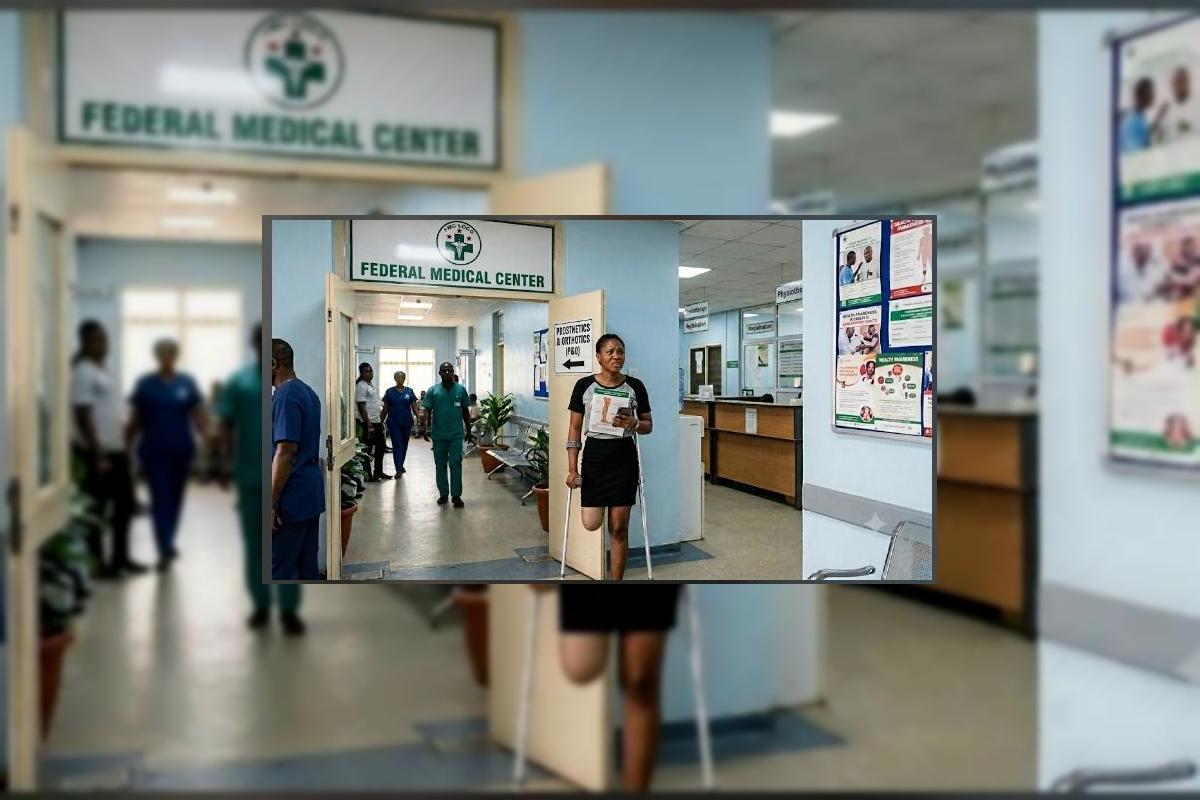

Federal Medical Centres (FMCs) are intended to be the backbone of Nigeria’s healthcare delivery, yet for thousands living with mobility impairments, they represent a frustrating paradox: the place where expert care exists, but where essential orthotic and prosthetic (P&O) coverage remains critically out of reach.
"I visited the Federal Medical Centre hoping for a modern, lightweight brace for my leg. The orthotist was brilliant, but the system failed me. The hospital does not stock the materials for modern plastics, and the National Health Insurance does not cover the cost of the custom device. I walked in seeking mobility and walked out with a prescription I cannot afford." — Patient, 38 years old · Owerri, Imo State
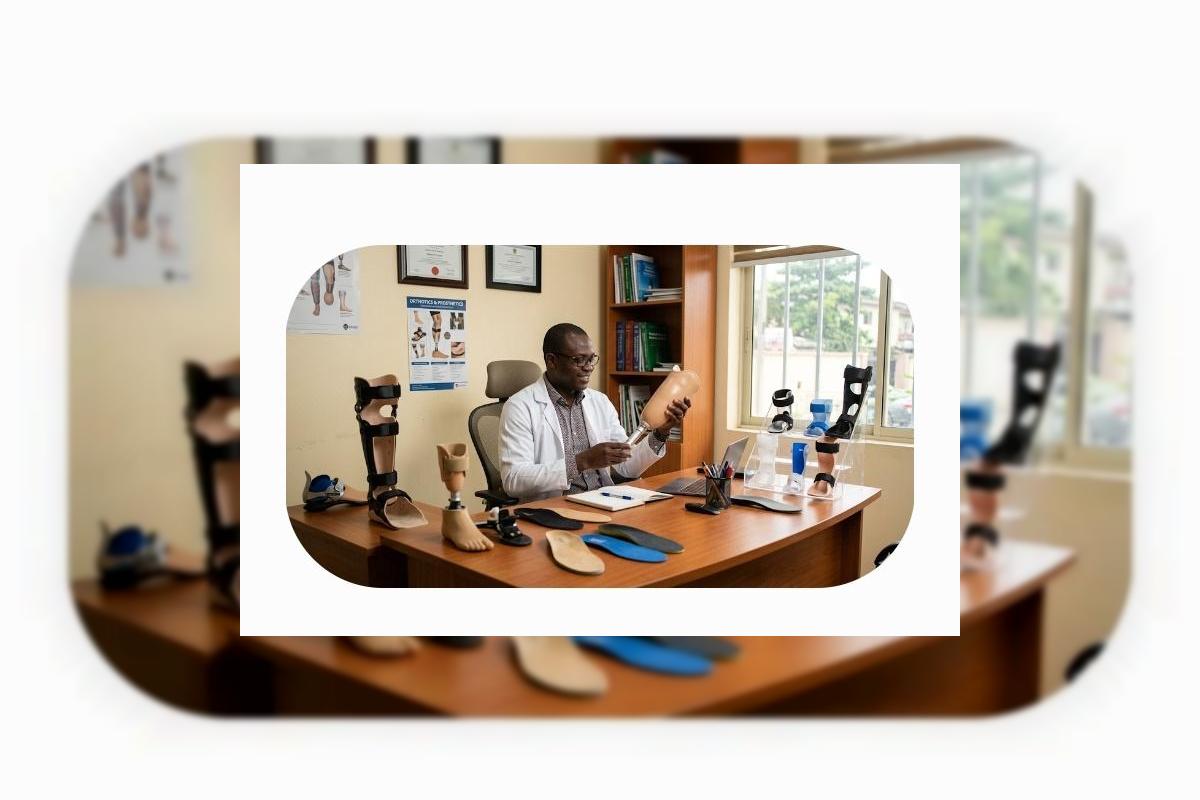
The divide between clinical expertise and patient accessibility is nowhere more visible than in the P&O units of Nigeria’s Federal Medical Centres. While FMCs are strategically positioned across the nation to provide tertiary care, the management of mobility-limiting conditions—such as post-polio paralysis, clubfoot, and severe limb deformities—is currently hampered by an outdated approach to health insurance. For the average Nigerian, the cost of a high-quality, custom-fitted orthosis, such as a KAFO or a dynamic AFO, is not a minor out-of-pocket expense; it is a catastrophic financial burden. When the National Health Insurance Authority (NHIA) fails to categorize these devices as essential, life-altering medical interventions, it effectively excludes thousands from participating in the economy, education, and social life. At Orthonarra, we are challenging the status quo, advocating for a policy shift that recognizes orthotic devices as fundamental medical rights rather than optional accessories.
The Coverage Gap: Why Orthotics are Falling Through the Cracks
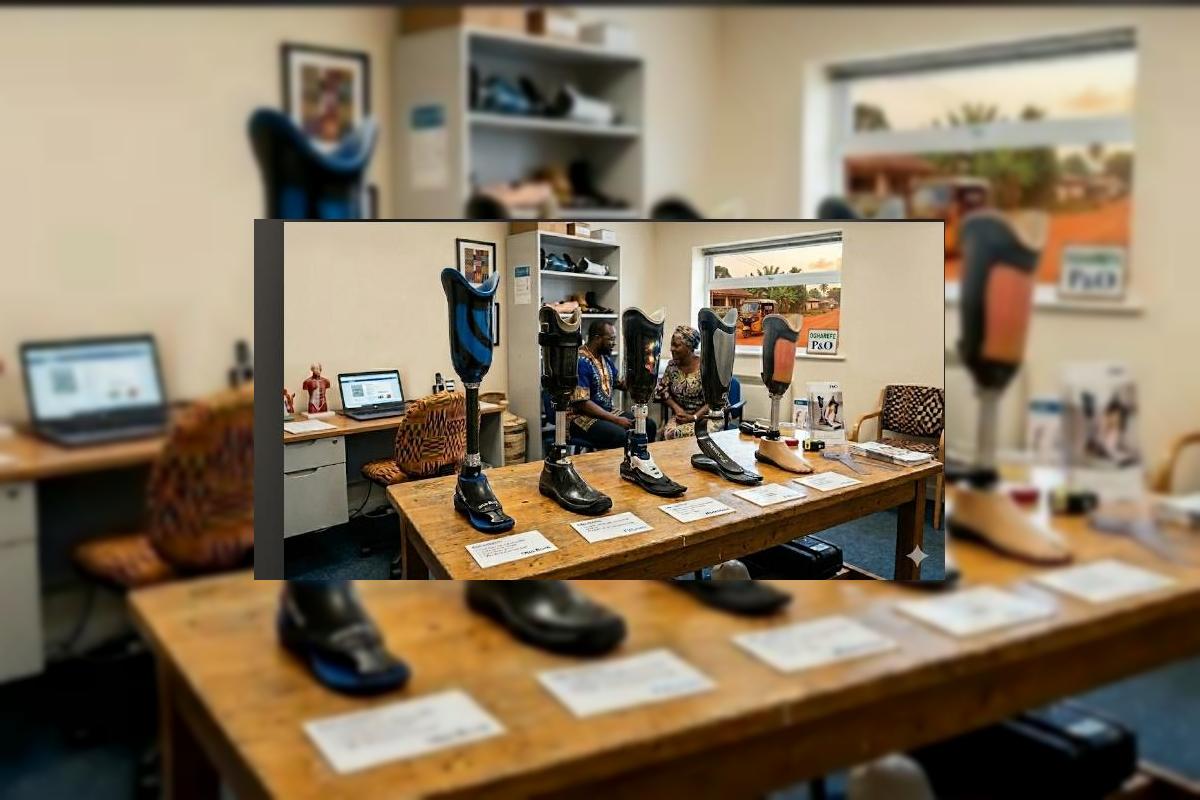
At the heart of the crisis is a systemic failure to modernize the scope of coverage provided under national and state health insurance schemes. In many hospital settings, orthotics are still viewed through the lens of early-twentieth-century medicine—where iron and leather "calipers" were the standard. Consequently, the insurance framework often overlooks the high cost of modern, lightweight materials like carbon fiber, titanium joints, and medical-grade thermoplastics. Because these materials are expensive to import and require sophisticated, high-energy manufacturing processes—like vacuum forming and convection heating—the burden of cost is passed entirely to the patient. For a teacher, a trader, or a student, a bill ranging from ₦300,000 to over ₦700,000 for a pair of braces is simply impossible to pay. When insurance coverage remains limited to basic consultations and minor procedures, it ignores the reality that for a person with limb paralysis or deformity, the orthosis *is* the treatment.
"True universal health coverage in Nigeria must include the tools of mobility. Without comprehensive coverage for custom orthotics, we are essentially telling thousands of our citizens that their ability to walk and work is a luxury they cannot afford."
Modernizing FMCs: Beyond the Iron Age
To bridge this gap, Federal Medical Centres must be empowered to move beyond the "iron and leather" era. Upgrading P&O units in FMCs is not merely a matter of buying new equipment; it is a matter of changing the standard of care. This requires two major pillars: Infrastructure Investment and Policy Integration. Firstly, the government must provide the capital required to install modern vacuum-forming machines and climate-controlled workshops in every FMC, ensuring that orthotists can work with materials that are lighter, more durable, and more comfortable for Nigeria’s tropical environment. Secondly, the NHIA must update its "Benefit Package" to explicitly include prosthetic and orthotic fabrications. By standardizing the pricing for these devices through a federal mandate, the government can leverage its purchasing power to reduce the cost of imported resins, carbon fibers, and prefabricated joints, making these life-changing interventions affordable for the everyday Nigerian.
The Impact of Neglect
When insurance fails to cover orthotics, patients either go without care or resort to "back-alley" alternatives. They seek out roadside fabricators who use scrap metal, heavy bolts, and makeshift materials that cause skin irritation, sores, and skeletal misalignment. Over time, these ill-fitting devices cause more damage than they fix, leading to long-term chronic pain and total dependence on wheelchairs. This is not just a health issue; it is an economic issue. A person who could be a productive member of the workforce is forced into inactivity, increasing the burden on the family and the state.
The Path to Equitable Mobility
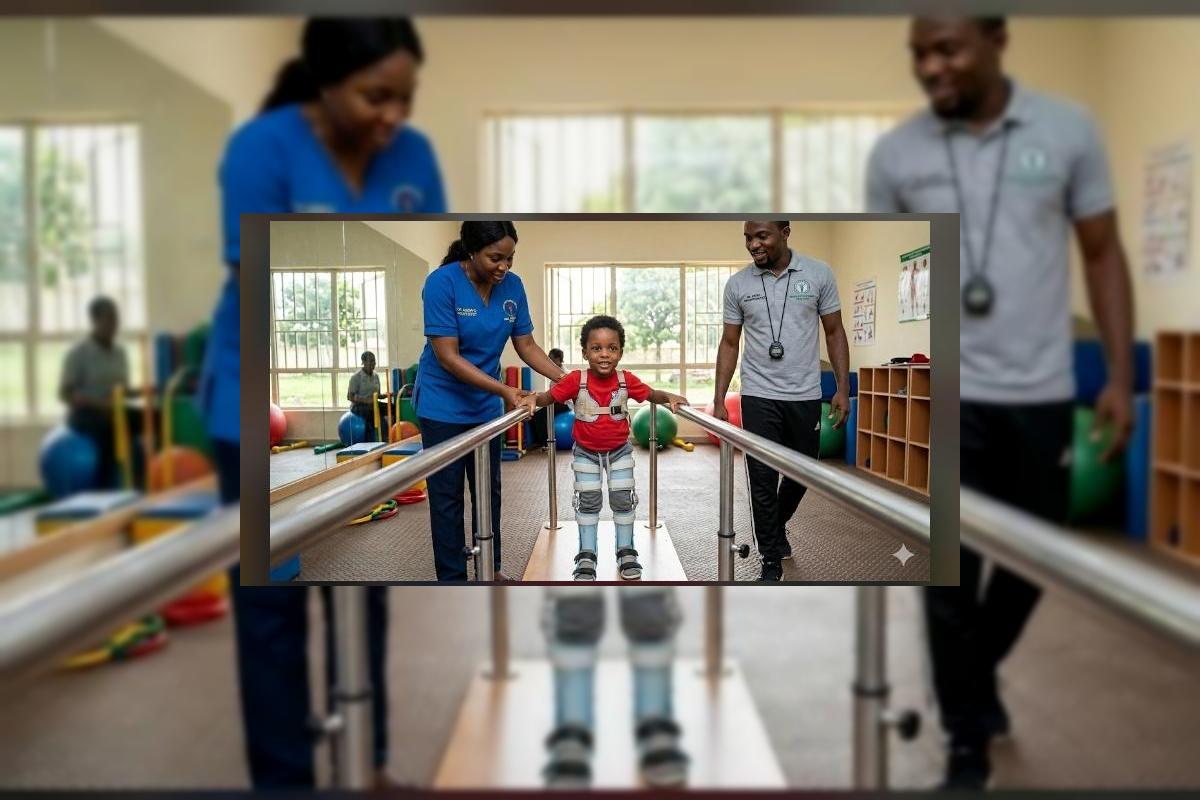
A robust, inclusive health insurance system is the only way to ensure equitable mobility across Nigeria. Integrating P&O coverage into the NHIA framework would allow for: 1) Standardized Quality, ensuring that every patient receives a device meeting international orthotic standards; 2) Predictable Costs, removing the barrier of unpredictable out-of-pocket pricing; and 3) Ongoing Maintenance, allowing for the regular adjustments and strap replacements that are vital as children grow and adult conditions evolve. When patients can access these services at an FMC with the support of their insurance, the psychological and physical transformation is immediate.
A Call to Action for Policy Reform
Orthonarra calls upon the Federal Ministry of Health, the NHIA, and the boards of management at every Federal Medical Centre to prioritize the inclusion of P&O services in their strategic planning. We need a clear, actionable policy that defines mobility aids as essential medical devices. We need transparency in the procurement of orthotic materials and a commitment to training the next generation of Nigerian orthotists in modern, lightweight fabrication techniques. The technology exists to transform lives—it is the political and administrative will that we currently lack.
For the Patients Still Waiting
To the parents, the survivors, and the individuals living with limb differences who feel ignored by the current insurance landscape: your struggle is heard. We are actively documenting the stories of those who have been denied coverage and sharing these accounts with policymakers to demonstrate the urgent need for change. If you have been told that your required orthotic device is not covered by insurance, or if you have faced exorbitant costs at a tertiary facility, reach out to us. We are building a movement to ensure that the healthcare system serves the people, not just the bureaucratic process. Together, we can push for a future where high-quality orthotic care is a right for every Nigerian, not a privilege for the few.
Comments (0)
No comments yet. Be the first!
Please login to leave a comment
Login to Comment