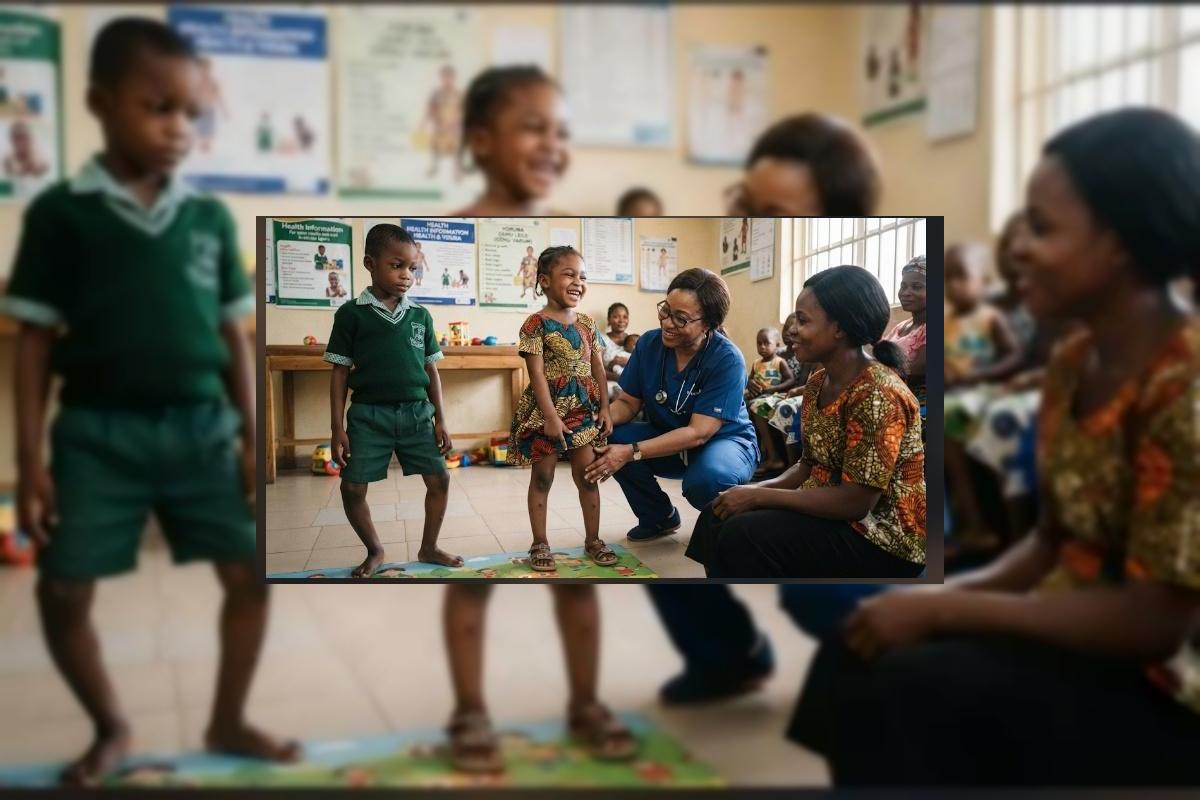

Every parent wants to see their child walk with confidence, so it is natural for anxiety to set in when you notice your child’s legs curving outward (bow legs) or knocking together (knock knees). In Nigeria, many children go through these phases as a normal part of development, but knowing when to wait and when to seek clinical intervention is the difference between simple growth and long-term joint pain.
"I worried constantly when my three-year-old began 'knocking' his knees together while running. I was convinced he needed braces. My neighbor told me to give him special herbs, while my sister said it was just a phase. I didn't know who to believe until we finally saw a paediatric physiotherapist who explained that his legs were following a normal growth pattern. Knowing what was normal finally stopped me from making a mistake with his joints. — Sarah, Lagos"
In paediatric orthopaedics, the alignment of a child’s legs changes as they grow. Understanding these physiological shifts is essential to distinguishing between "developmental variation" and "pathological deformity." Ignoring a genuine deformity can lead to permanent joint degradation, while aggressively "treating" a normal growth phase with unproven braces or traditional bone-setting can actually cause harm to the developing skeleton.
The Developmental Timeline: The "Normal" Shift
Children naturally pass through stages of alignment as their bones and muscles adjust to gravity and walking. This is the typical progression observed in healthy children.
| Age Range | Expected Alignment | What to Expect |
|---|---|---|
| Birth – 18 Months | Bow Legs (Genu Varum) | Normal result of being in the fetal position. |
| 2 – 4 Years | Knock Knees (Genu Valgum) | Normal transition as the child begins walking. |
| 6 – 7 Years+ | Neutral Alignment | Legs should appear relatively straight. |
"The most common mistake we see is 'over-correction.' Parents often panic during the knock-knee phase (ages 2–4) and seek expensive braces. In the vast majority of cases, the child’s skeleton will straighten on its own as they continue to grow."
When to See a Specialist: The Red Flags
While most leg alignment issues resolve themselves, there are "red flags" that indicate a need for professional assessment by an orthopaedic specialist or paediatric physiotherapist.
1 Asymmetry
If one leg is significantly more bowed or knocked than the other, this is not normal growth and requires an immediate clinical check.
2 Pain or Stiffness
Children with normal growth phases rarely complain of pain. If a child has knee pain, limp, or difficulty running, see a professional.
3 Sudden Progression
If the leg deformity appears to be worsening quickly rather than slowly shifting, it may indicate a metabolic issue like rickets (common in regions with Vitamin D deficiencies).
4 Short Stature
If a child is significantly shorter than their peers, severe bowing may be a symptom of a systemic bone growth disorder.
5 Persisting Past Age 7
If knock knees or bow legs are still very apparent by age 7, they are unlikely to correct themselves without intervention.
The Strategic Shift: Monitoring Over Manipulation
The terracotta and green aesthetic of our mission reflects a belief in grounded, evidence-based care. We are moving away from traditional, sometimes harmful, "corrections" and toward a model of clinical observation.
| The Avoidance Path (Harmful) | The Clinical Path (Supportive) |
|---|---|
| Unnecessary bracing/splinting. | Regular growth monitoring by specialists. |
| Aggressive bone-setting. | Nutritional support (Vitamin D/Calcium). |
| Panic and anxiety. | Patient, informed waiting. |
| Ignoring early warning signs. | Early professional screening for red flags. |
The best approach to your child's legs is simple: watch, wait, and if you are worried, get an expert opinion. Do not let fear drive you toward unproven treatments that could hurt their joints. Trust the growth process, stay vigilant for the red flags, and ensure your child is getting the nutrients they need for strong, healthy bones. OrthoNarra is here to ensure that every Nigerian parent knows the difference between a normal phase and a medical need.
A Call for Informed Monitoring
To the parents: Observe the timeline and watch for pain—you are the first line of defense for your child's mobility. To the healthcare providers: Take time to educate parents on the 'Normal Shift' to reduce anxiety and prevent harmful traditional interventions. To the policymakers: Support public health programs that screen for rickets and nutritional deficiencies early. The terracotta is the earth our children grow on—let’s ensure they have the healthy legs to stand on it together. OrthoNarra will keep the information flowing until every parent feels empowered by facts, not myths. Mobility is their future; let’s protect it through patience and science.
Comments (0)
No comments yet. Be the first!
Please login to leave a comment
Login to Comment