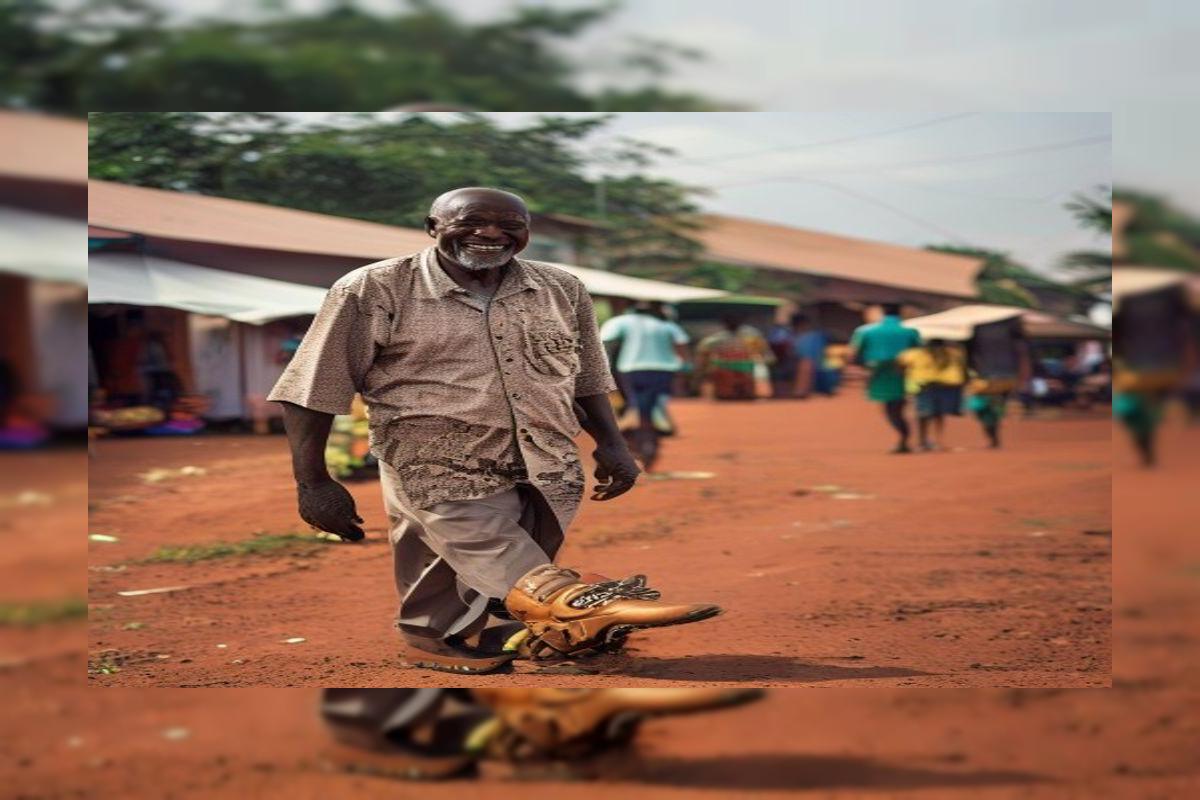

The true measure of structural neglect is not found in complex surgical theatres, but in the tilted pelvis of a child walking to school. In Nigeria, limb length discrepancy (LLD) is a hidden epidemic of structural imbalance—a condition where one leg is shorter than the other, quietly twisting spines while a beautifully simple engineering solution is ignored.
"For twelve years, my daughter limped through the streets of Ibadan. One of her legs was three centimeters shorter than the other due to an old childhood injection injury. The neighbors told us she was uneven because of a spiritual mistake. We spent thousands on local rubs and prayers. Then, an orthotist simply added layers of hard foam to the bottom of her right shoe. Just like that, her hips became straight. She walked out of the clinic without her limp. It cost less than a single bottle of the herbs we had been buying for years. — Baba Funmi, Oyo"
In the landscape of physical rehabilitation across Nigeria, we consistently overlook the power of conservative mechanics. Limb length discrepancy in Nigeria is frequently caused by congenital anomalies, poorly managed bone infections (osteomyelitis), road traffic accidents, or asymmetrical growth following poorly set fractures. Yet, the vast majority of these patients wander through life with an uncorrected gait, entirely unaware that a precision-crafted shoe raise could restore their balance instantly. Instead, they are subjected to aggressive, unnecessary bone-lengthening surgeries they cannot afford, or left to deteriorate into early-onset scoliosis and severe hip osteoarthritis. We are seeking complex answers to a problem that can be resolved with a tape measure and a customized orthotic lift.
The Three Structural Failures: Why Nigeria’s Uneven Leg Patients Are Left Balanced on Hope
To understand why a simple shoe modification remains an elite luxury rather than a standard clinical intervention, we must analyze the three systemic barriers that leave patients off-balance.
| The Barrier | The Impact on the Body | The OrthoNarra Mandate |
|---|---|---|
| The Tape Measure Blindspot | Primary clinicians rarely measure leg lengths during standard physical exams, missing early discrepancies. | Mandating structural block-measurement screening for every limping patient. |
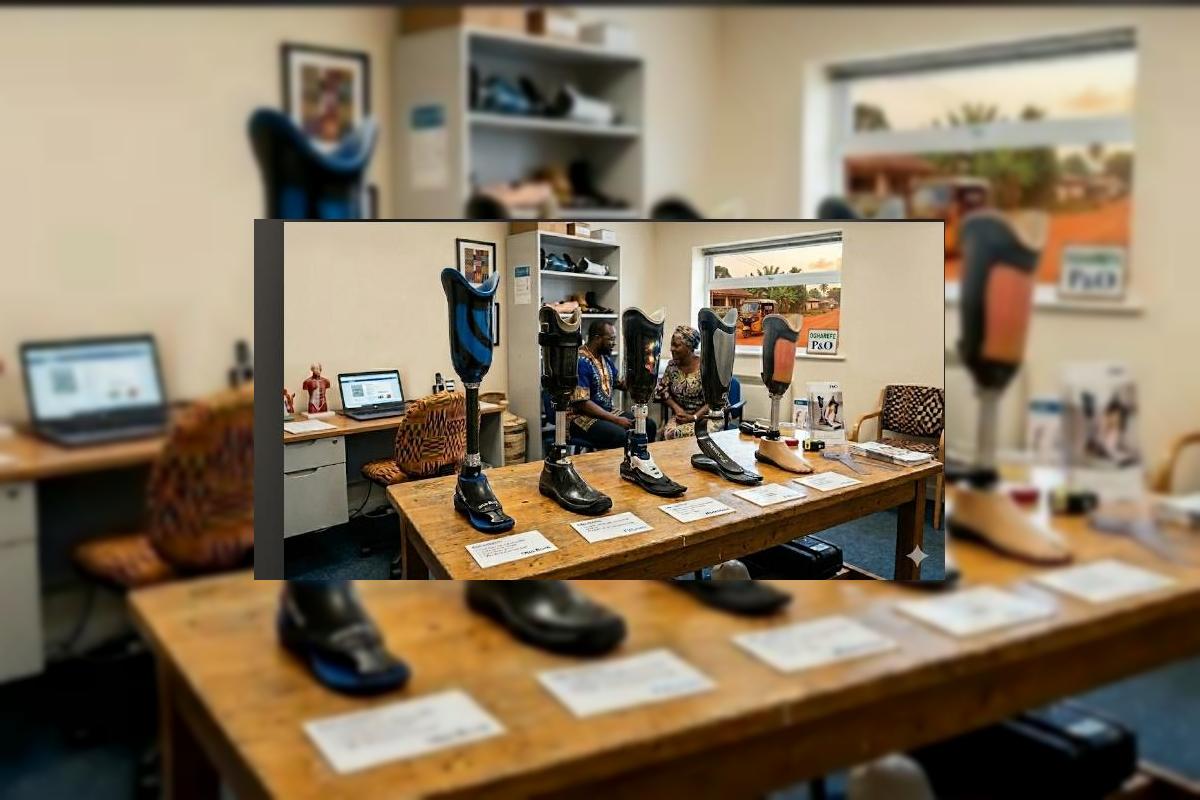
| Cobbler Customization Risks | Desperate patients ask local street cobblers to glue random rubber to their shoes, accidentally worsening their spinal alignment. | Connecting patients directly with certified prosthetic and orthotic (P&O) specialists. |
| The "Short Leg" Curse Myth | Societal stigma views an uneven gait as a spiritual deformation, leading families to hide affected children. | Reframing an uneven limb as a straightforward mechanical mismatch that is easily corrected. |
"A limb length discrepancy of just two centimeters forces the pelvis to tilt continuously, creating a compensatory curvature in the spine with every single step. In Nigeria, we are spending millions treating adult back pain that could have been completely prevented in childhood by a two-thousand Naira shoe raise."
The Biomechanics of Alignment: The Precision Shoe Raise
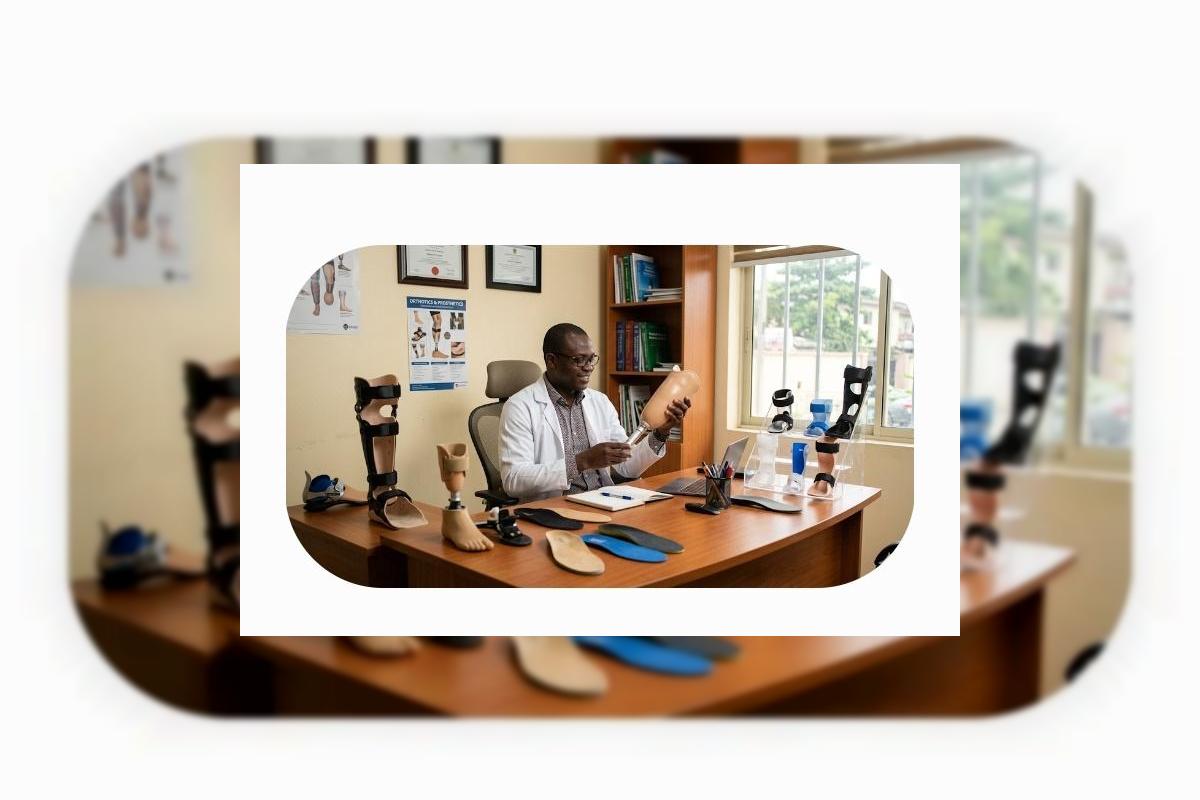
An effective orthotic intervention for limb length discrepancy is never a matter of guesswork. It requires a precise structural assessment. A P&O clinician measures the distance from the anterior superior iliac spine of the pelvis down to the medial malleolus of the ankle on both sides. Once the exact millimeter deficit is determined, an orthotic shoe raise is carefully fabricated. For discrepancies under one centimeter, an internal heel lift can be placed inside the shoe. For larger discrepancies, an external midsole and outsole modification must be built. By utilizing lightweight, high-density materials like EVA (Ethylene-Vinyl Acetate), the orthotist levels the pelvis without adding heavy, fatiguing weight to the patient's foot. The mechanical chain is restored instantly: the pelvis levels out, the spine straightens, and the uneven wear on the knee joints stops.
The Five Systemic Deficits a Simple Shoe Raise Resolves
When we integrate precision shoe modifications into standard Nigerian orthopedic care, we solve five cascading health crises before they can cement themselves into the patient's skeleton:
1 Halting Compensatory Scoliosis
By leveling the foundation of the body, a shoe raise prevents the spine from developing a permanent lateral S-curve, keeping the vertebral column straight and healthy during growth years.
2 Preventing Premature Joint Degeneration
An uncorrected discrepancy causes severe, asymmetrical overloading on the longer leg's hip and knee. Equalizing the length evenly distributes the body's weight, preventing early, agonizing osteoarthritis.
3 Eradicating Chronic Low Back Pain
Walking with an uneven pelvis forces the paraspinal muscles to work in a constant state of spasm. A shoe raise balances muscle activity, eliminating the root cause of lifelong debilitating lower back pain.
4 Significantly Reducing Energy Expenditure
A vaulting or "steppage" gait requires immense physical exertion. Leveling the limbs normalizes the patient's center of mass, allowing them to walk longer distances to school or work without exhausting themselves.
5 Reclaiming Social and Educational Presence
Children who limp are frequently bullied or kept home out of shame. A beautifully integrated shoe lift hides the difference completely within their footwear, allowing them to walk into a classroom standing completely level with their peers.
The Biological Truth: Simple Physics vs. Elaborate Surgical Risk
The deep forest green and terracotta tones of this tenth series are a deliberate return to earth, practicality, and foundational truth. We are shifting our collective gaze away from high-risk, expensive surgical interventions toward the elegant, immediate simplicity of mechanical balancing.
| The Uncorrected Path (Neglect) | The Corrective Path (The Raise) |
|---|---|
| Ignoring the limp, assuming the child will "grow out of it." | Early measurement and matching the structural deficit directly. |
| Permitting a permanently tilted pelvis to twist the spine. | Leveling the hips completely to preserve spinal alignment. |
| Subjecting families to unaffordable, complex bone surgeries. | Providing an immediate, low-cost, non-invasive orthotic lift. |
| Adult joint failure, chronic pain, and early disability. | A lifetime of balanced walking, fluid movement, and independent living. |
The time for allowing our communities to limp in silence has passed. It is an indictment of our health systems when an individual’s entire posture is warped simply because no one told them that a localized shoe modification could level their world. A shoe raise is not a crude piece of cobbler work; it is an accessible, vital piece of orthotic engineering that can change a human life in an afternoon. We must demand that our primary health centers, our schools, and our clinics learn the basic art of measuring the human frame. Let us stop expecting structural miracles from prayers and potions when we can solve the issue perfectly with a piece of high-density foam and common sense.
A Call to Build the Foundation
To the parents: Look closely at your children from behind when they stand still—if one hip rests lower than the other, do not wait for pain to arrive; take them to an orthotist immediately. To the healthcare workers: Put down the heavy medication and pick up a tape measure; evaluate limb lengths as a primary vital sign for every child with an altered gait. To the orthotic community: Make your shoe raises seamless, professional, and accessible to the average family. The terracotta represents our land, our resilience, and the steady ground we deserve to walk on. OrthoNarra will keep shining a light on these simple truths until every uneven step in Nigeria is balanced and upright. True health begins with a level foundation.
Comments (0)
No comments yet. Be the first!
Please login to leave a comment
Login to Comment