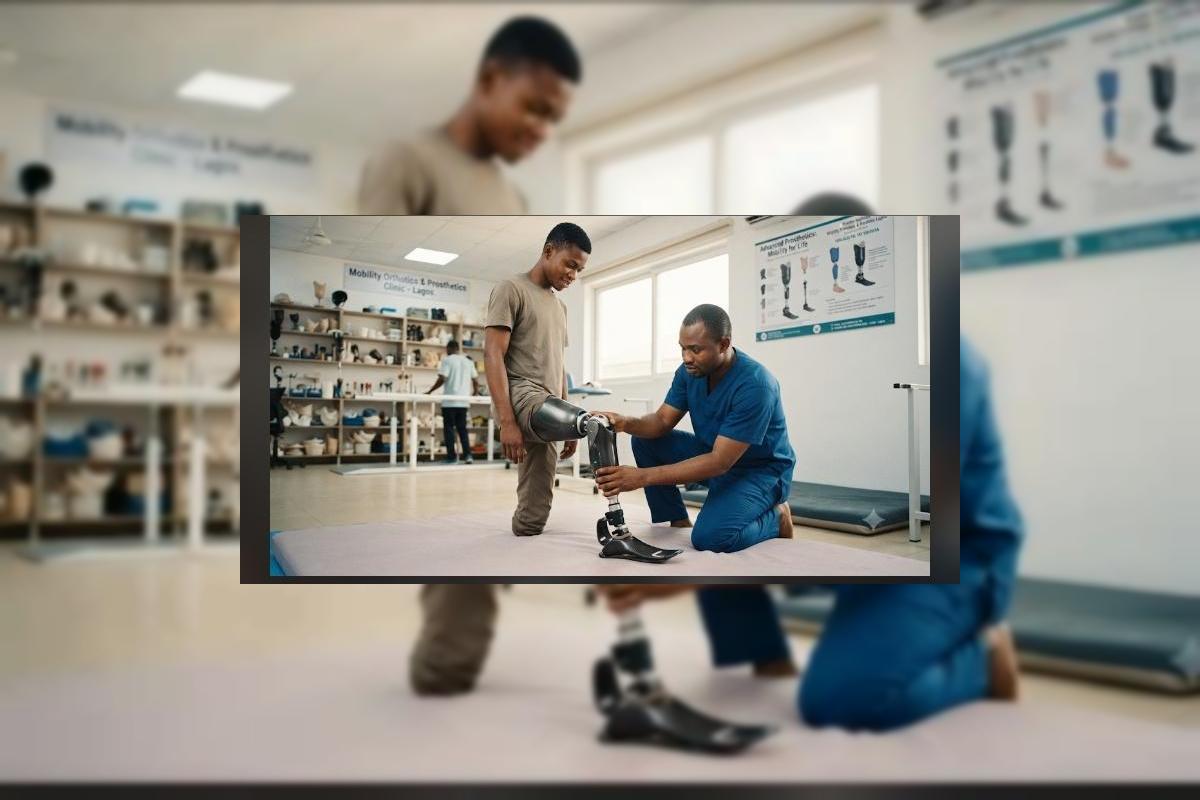

The world of prosthetic technology is evolving at breakneck speed. We see videos of athletes sprinting on "blades" and amputees walking with fluid, computer-driven grace using microprocessor-controlled knees. In Nigeria, the question is no longer just about survival or basic mobility—it is about access to the absolute pinnacle of human engineering. Are these advanced technologies actually reaching our soil, or are they destined to remain unreachable luxuries reserved for those who can afford to fly abroad?
"I watched a YouTube video of a man running with a carbon fiber foot, and I thought, 'Why can’t I have that?' When I asked my local clinic, they told me that kind of technology is 'not for here.' I feel like we are living in a different century when it comes to limb replacement. My leg is made of heavy, solid rubber and steel. It does the job, but it drags me down. I just want to walk like everyone else, without my leg announcing itself with every step. — Musa, Abuja"
The divide between basic prosthetics and advanced prosthetic technologies is vast, but it is not an unbridgeable canyon. Microprocessor knees (MPKs)—which use sensors to adjust resistance in real-time, preventing falls—and carbon fiber feet—which store and return energy to propel the user forward—are not merely expensive gadgets. They are tools that reduce the sheer physical energy required to walk. In a country like Nigeria, where our terrain is often unforgiving and our daily lives demand long hours of standing and walking, this energy efficiency is not a luxury; it is a clinical necessity for long-term health. The real question is: how do we bring these technologies into our hospitals safely and sustainably?
The Three Realities of High-Tech Integration
Bringing world-class technology to Nigeria is not just about shipping the parts; it requires a systemic shift in how we manage advanced clinical hardware.
| Reality | The Challenge | The OrthoNarra Mandate |
|---|---|---|
| The Maintenance Loop | Advanced parts often require software updates and specialized repairs. | Establishing localized, certified service hubs for high-tech components. |
| The Environmental Test | High-end sensors are sensitive to moisture, dust, and heat. | Advocating for 'ruggedized' versions of advanced tech. |
| The Cost Barrier | Without NHIA coverage, these parts remain financially inaccessible. | Phased integration into national insurance benefit packages. |
"Advanced technology is a 'force multiplier' for a patient’s existing potential. A high-activity carbon fiber foot is wasted on someone who hasn't been properly fitted with a stable socket. We must prioritize the foundation before we build the skyscraper."
The Mechanics: Beyond the Hype
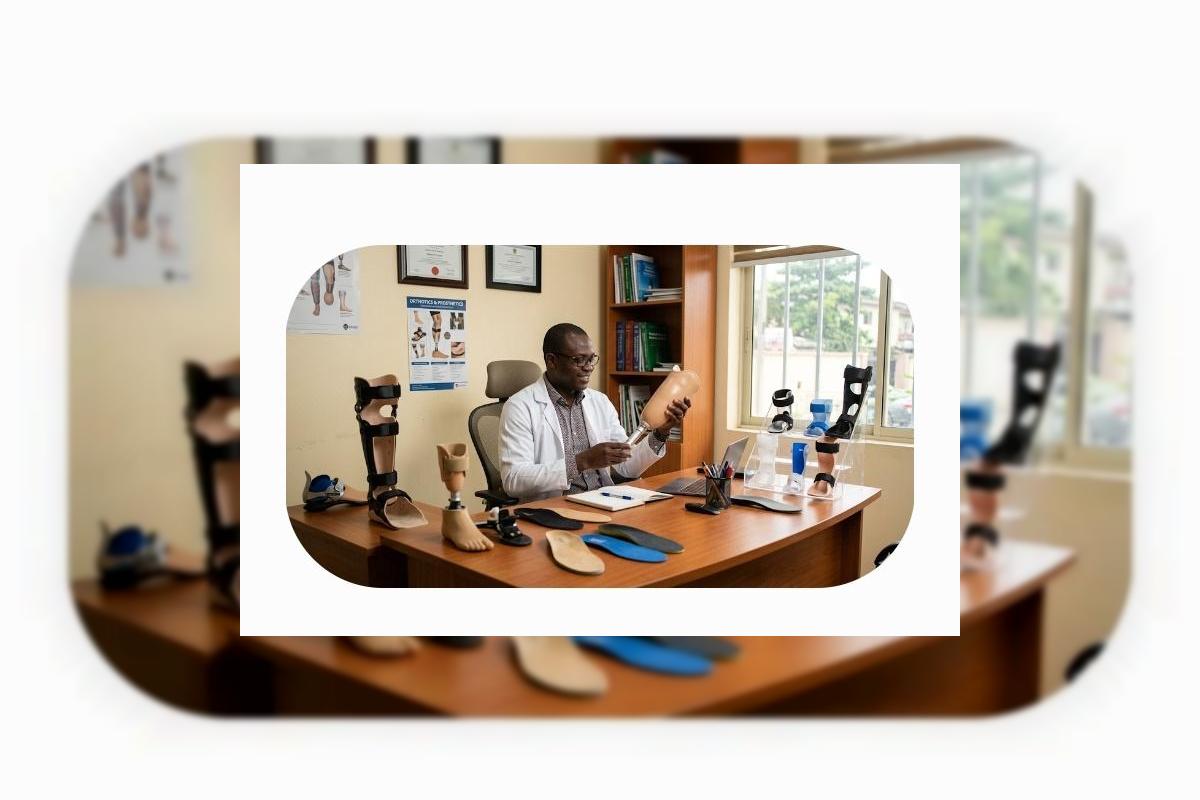
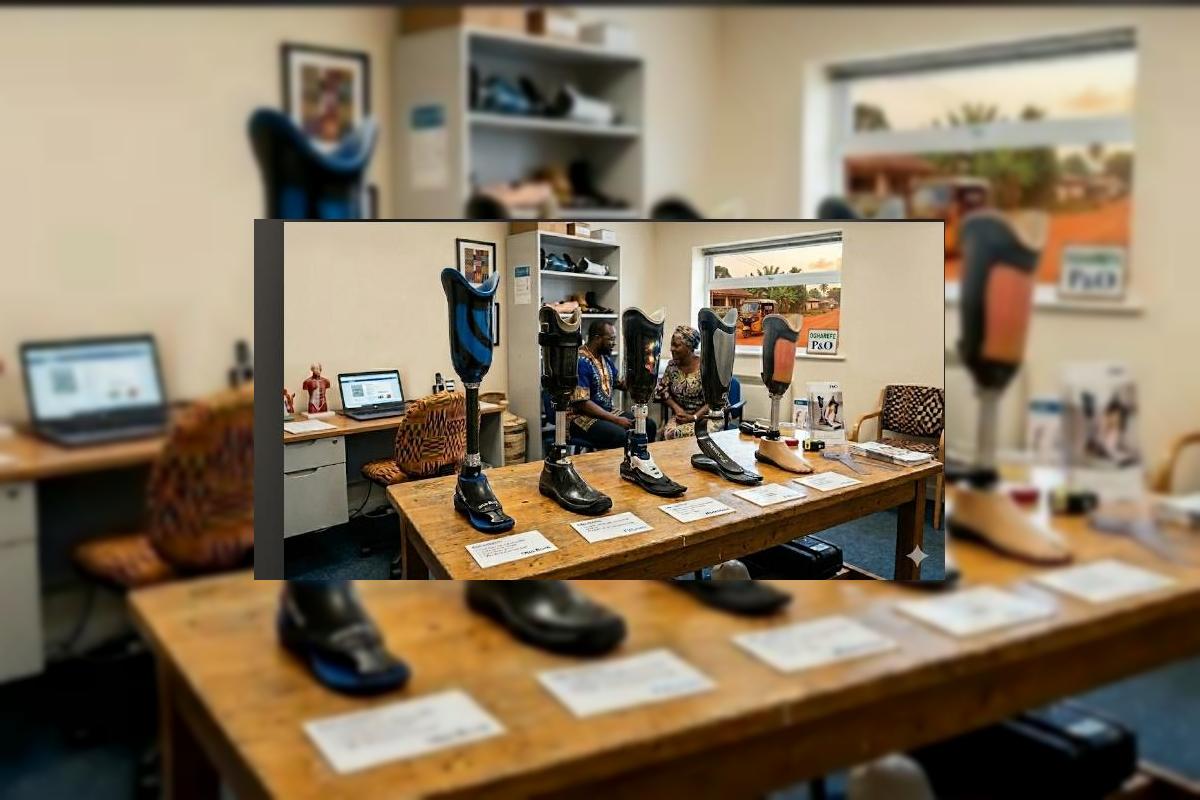
A microprocessor knee functions by using a gyroscope and an accelerometer to "read" the user’s movement hundreds of times per second. It stiffens when it detects the need for stability and relaxes when it detects the need for a fluid gait. A carbon fiber foot uses the material's inherent elasticity to absorb energy at the heel strike and release it at toe-off. In the Nigerian context, the goal is not to force these components into every clinic, but to create "centers of excellence"—hospitals equipped with the technical staff, the calibration software, and the replacement-part inventory to support these devices reliably. The technology is already arriving; our job is to ensure it lands in a system that can sustain it.
The Five Pillars of Advanced Tech Deployment
For Nigeria to host a world-class prosthetic ecosystem, we must move toward these five strategic pillars:
1 Clinical Specialized Training
Nigerian prosthetists must be certified by global manufacturers to program and maintain these devices locally.
2 Localized Support Contracts
International manufacturers must be incentivized to keep inventory (batteries, spare motors, foot shells) in-country.
3 Tiered Access Models
Not every patient needs a microprocessor knee, but those who do should have a pathway to access it through public-private insurance partnerships.
4 Ruggedized Technology Selection
Focusing on "all-terrain" versions of advanced devices that offer better ingress protection against dust and water.
5 Long-Term Clinical Data Collection
Collecting data on how these devices perform in Nigeria to inform the development of technology specifically suited to our climate and activity levels.
The Strategic Shift: From 'Survival' to 'Thriving'
The terracotta and deep green colors of this OrthoNarra series remind us that while we are building for the future, we must stay rooted in the Nigerian reality. We are shifting our collective vision from basic survival to a future where high-performance mobility is a standard expectation.
| The Current "Limited" Path (Survival) | The Advanced Path (Thriving) |
|---|---|
| Access only to basic, heavy, mechanical parts. | Access to energy-efficient, responsive tech. |
| Limited to 'in-country' expertise only. | Global clinical standards practiced at home. |
| Patients limited by hardware weight. | Patients enabled by precision performance. |
| Technology remains a 'luxury' mystery. | Technology as a clinical standard of care. |
Advanced prosthetic technology is not coming—it is already here, waiting for us to build the infrastructure that can support it. The transition from "not for here" to "the standard for here" is a matter of policy, clinical training, and the unwavering demand that Nigerian patients deserve the same world-class mobility tools as anyone else. We will keep documenting the shift until the advanced technology is no longer an anomaly, but an accessible reality for every Nigerian who needs it.
A Call for High-Performance Mobility
To the patients: Keep asking, keep researching, and keep demanding higher standards—your expectations drive the market. To the clinicians: Pursue the specialized certifications required to support these devices; your expertise is the gateway for your patients. To the policy leaders: Partner with international tech manufacturers to bring the support infrastructure to Nigeria; this is an investment in human productivity. The terracotta and green represent the land we cultivate—let's ensure we are using the best tools to traverse it. OrthoNarra will keep tracking the progress of advanced technology until every patient in Nigeria walks with the precision they deserve. High performance is a right, not a privilege.
Comments (0)
No comments yet. Be the first!
Please login to leave a comment
Login to Comment