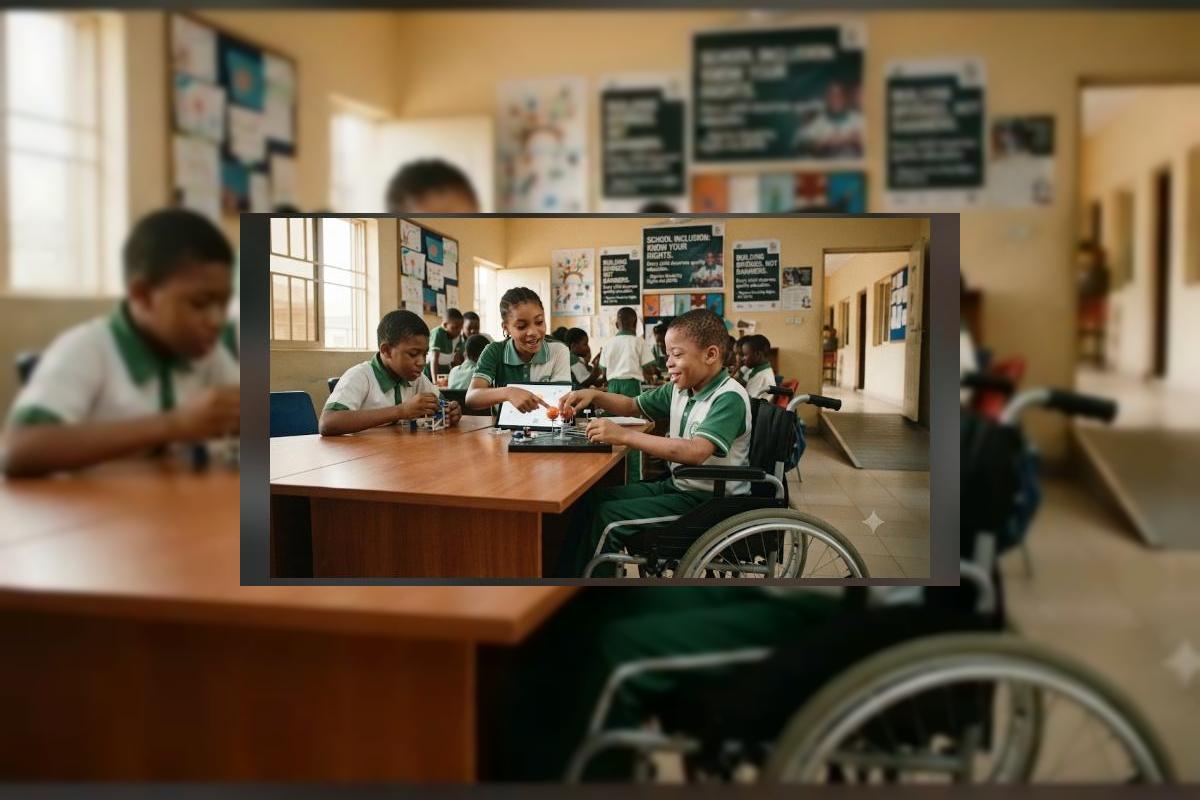

The Nigerian school gate is meant to be the entrance to opportunity. Yet, for thousands of children with physical disabilities, that gate is physically locked—not by a padlock, but by the absence of ramps, the design of desks, and a systemic misunderstanding of what "inclusion" actually means. We have the legal framework for an inclusive society, but the distance between that law and the reality on the ground is where our children’s futures are being lost.
"My son was denied admission to three primary schools in our local government area. The principals didn't say it was because of his wheelchair; they said it was because their classrooms were on the first floor and they had 'no way' to accommodate him. The law says he has a right to education, but a law without a ramp is just words on a page. — Mother of Chidi, Enugu"
The Discrimination Against Persons with Disabilities (Prohibition) Act is a landmark piece of legislation in Nigeria, explicitly mandating equal access to education and the retrofitting of public infrastructure. In theory, every child with a physical disability has the right to enter a classroom. In reality, the "inclusive education" model is often limited to a single special-needs school in an urban center, while the vast majority of mainstream schools remain architecturally and pedagogically hostile to children with mobility challenges. We are forcing parents to choose between their child’s physical safety and their right to learn, a choice no family should ever have to make.
The Three Barriers to Classroom Participation
To move toward true inclusion, we must address the three structural barriers that keep children with physical disabilities out of the classroom.
| The Barrier | The Impact | The Path Forward |
|---|---|---|
| Architectural Exclusion | Stairs, narrow doors, and non-accessible toilets. | Mandatory ADA-compliant retrofitting for all school permits. |
| Social/Attitudinal | Teachers and peers viewing disability as a "burden" rather than a diversity. | Disability-awareness training in teacher certification. |
| Equipment Gap | Lack of adjustable desks, accessible transport, or mobility aids. | Government-subsidized school-based orthotic programs. |
"An inclusive school is not just a building with a ramp. It is an environment that understands that a child’s mobility device is not an accessory—it is an essential extension of their ability to participate."
The Mechanics of Inclusion: What Needs to Change?
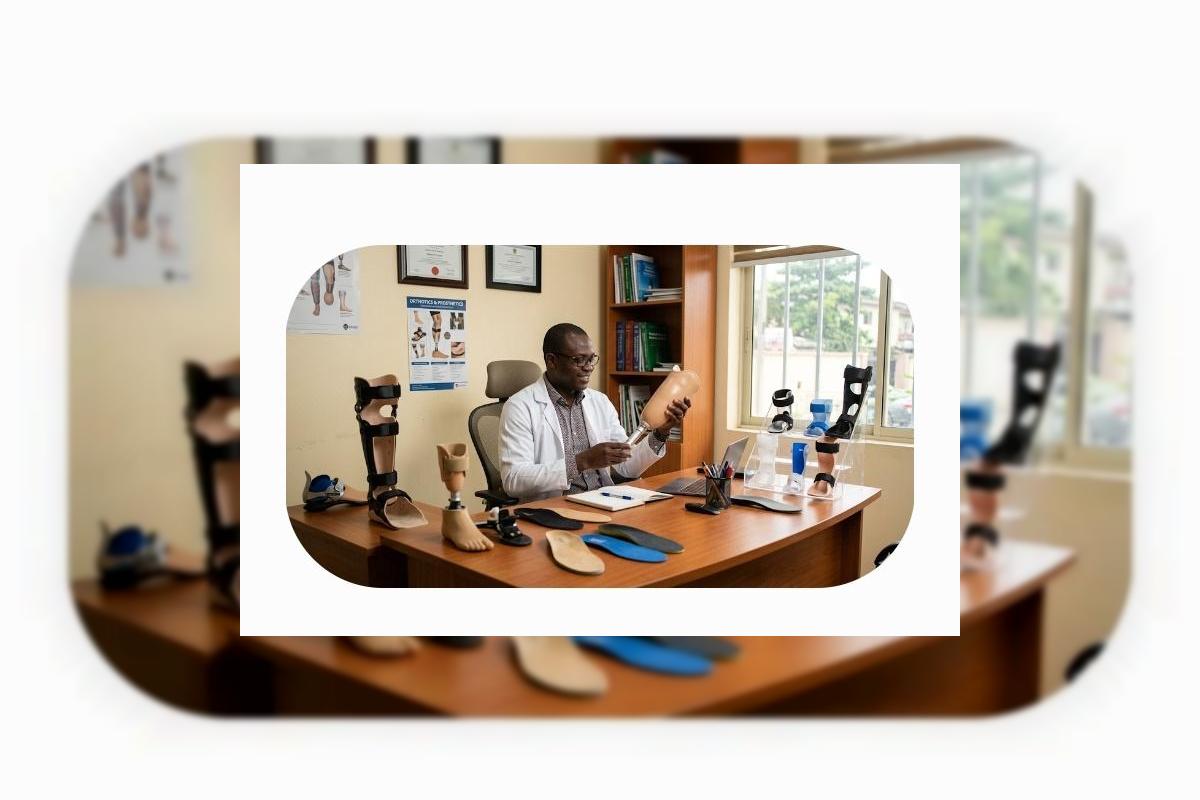
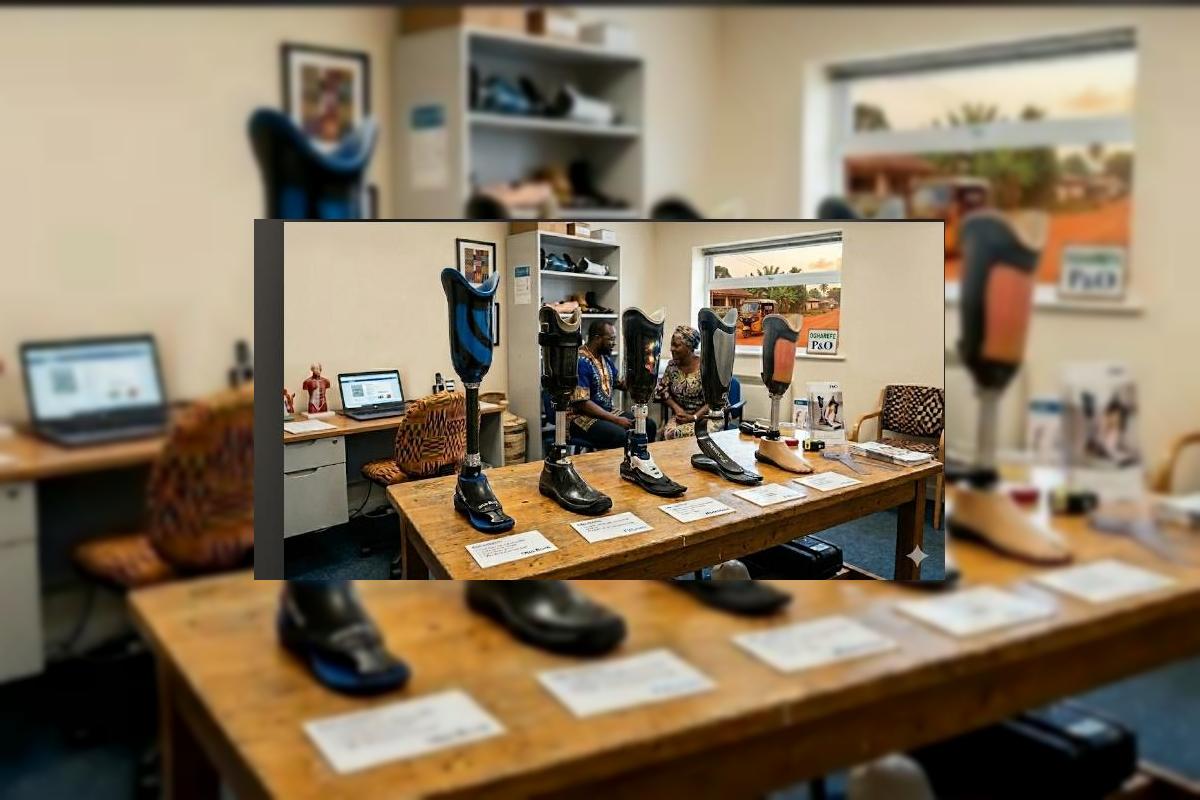
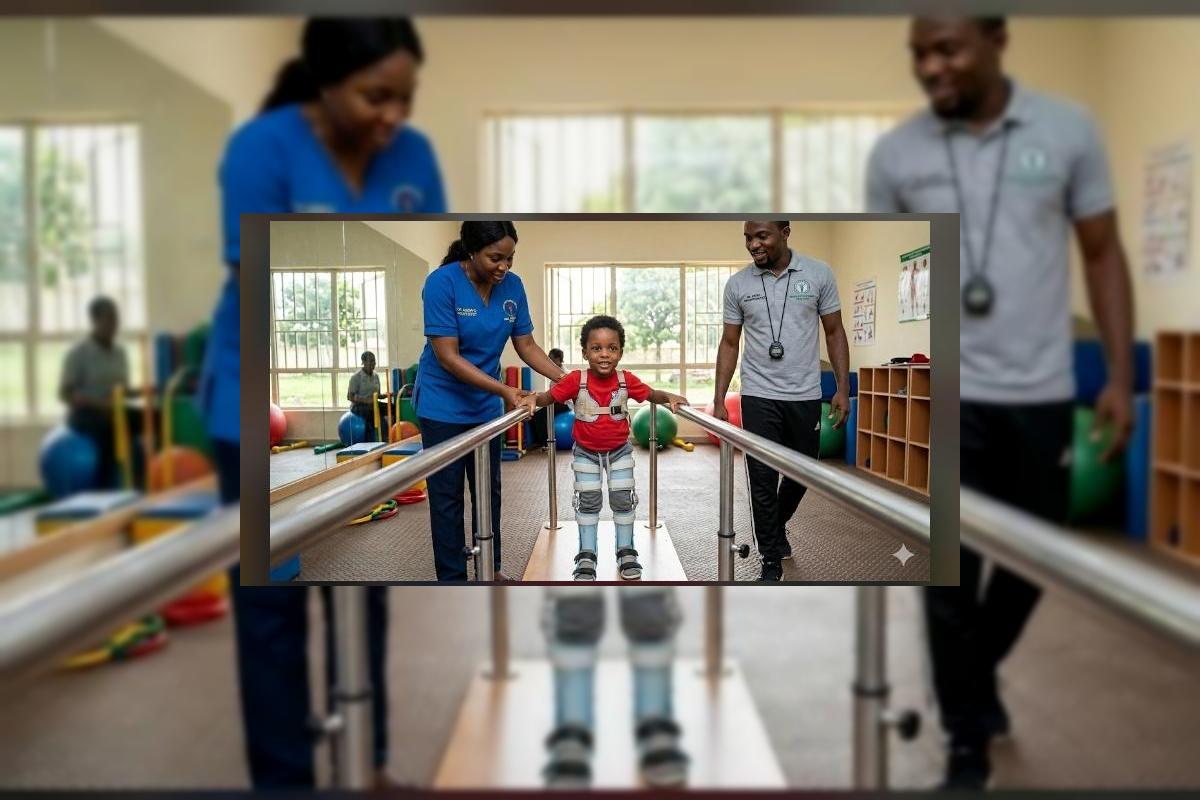
Creating an inclusive school environment requires a combination of physical design and clinical support. It starts with the school administration acknowledging that inclusion is an infrastructure priority. This means wide entryways, accessible latrines, and classroom configurations that allow space for wheelchairs or walkers. However, it also requires clinical integration: children with physical disabilities often need ongoing physical therapy or minor orthotic adjustments throughout the school year. An inclusive school collaborates with the local orthotic and prosthetic community to ensure that if a child’s brace needs a quick repair, the school has a plan to facilitate that without the child missing a week of lessons.
The Five Pillars of an Accessible Education System
For Nigeria to meet its legal obligations, our education strategy must shift to these five pillars of accessibility:
1 Universal Design Standards
All new school construction must follow universal design principles—ramps, wider doors, and ground-floor accessibility must be built into the blueprint.
2 Teacher Literacy Training
Every teacher must be trained in how to include a child with mobility aids in daily classroom activities without stigmatization.
3 School-Based Assistive Tech
Schools should be equipped with basic adaptive furniture—adjustable desks and chairs that support children with orthotic devices or bracing.
4 Community-Based Referral Pathways
Schools should have a formal link to local P&O clinics to ensure that students receive the orthotic care they need to stay mobile and in school.
5 Transportation Accessibility
True inclusion is impossible if a child cannot get to the school. We need a state-led, accessible school bus program for students with mobility needs.
The Strategic Shift: From Charity to Human Rights
The deep forest green and terracotta palette of this series is our reminder that the "earth" we share belongs to everyone. Inclusion is not an act of charity; it is the fulfillment of a human right. We are moving our focus from a "charity-based" model of special education toward a rights-based, accessible system for all.
| The Current "Exclusionary" Path | The Inclusive Path (Future) |
|---|---|
| Denying admission due to stairs/lack of facilities. | Retrofitting schools to welcome all children. |
| Segregating children in "special" schools. | Inclusive mainstream classrooms for diversity. |
| Teachers untrained in adaptive needs. | Teacher training as part of standard pedagogy. |
| Families isolated in their struggle. | Systemic support via legislation and infrastructure. |
The law is clear: every Nigerian child has a right to learn. But a law in a book does not carry a child up a flight of stairs. It is time for our school boards, our state governments, and our community leaders to translate the disability act into the concrete language of ramps, accessible desks, and inclusive teacher training. We must ensure that the school gate is a doorway, not a barrier. Our children’s future is waiting inside; let’s make sure they can reach it.
A Call for Structural Inclusion
To the school administrators: Audit your buildings—if a child with a wheelchair cannot move freely, your school is not yet open to all. To the parents: Demand inclusion; your voice is the most powerful tool for changing local school policies. To the policymakers: Enforce the disability act—every school without accessible infrastructure is a failure of our national promise. The terracotta and green represent the land we cultivate together—let’s ensure our classrooms cultivate the potential of every child. OrthoNarra will keep the lights on until inclusion is the standard, not the exception. Mobility is the key to knowledge.
Comments (0)
No comments yet. Be the first!
Please login to leave a comment
Login to Comment