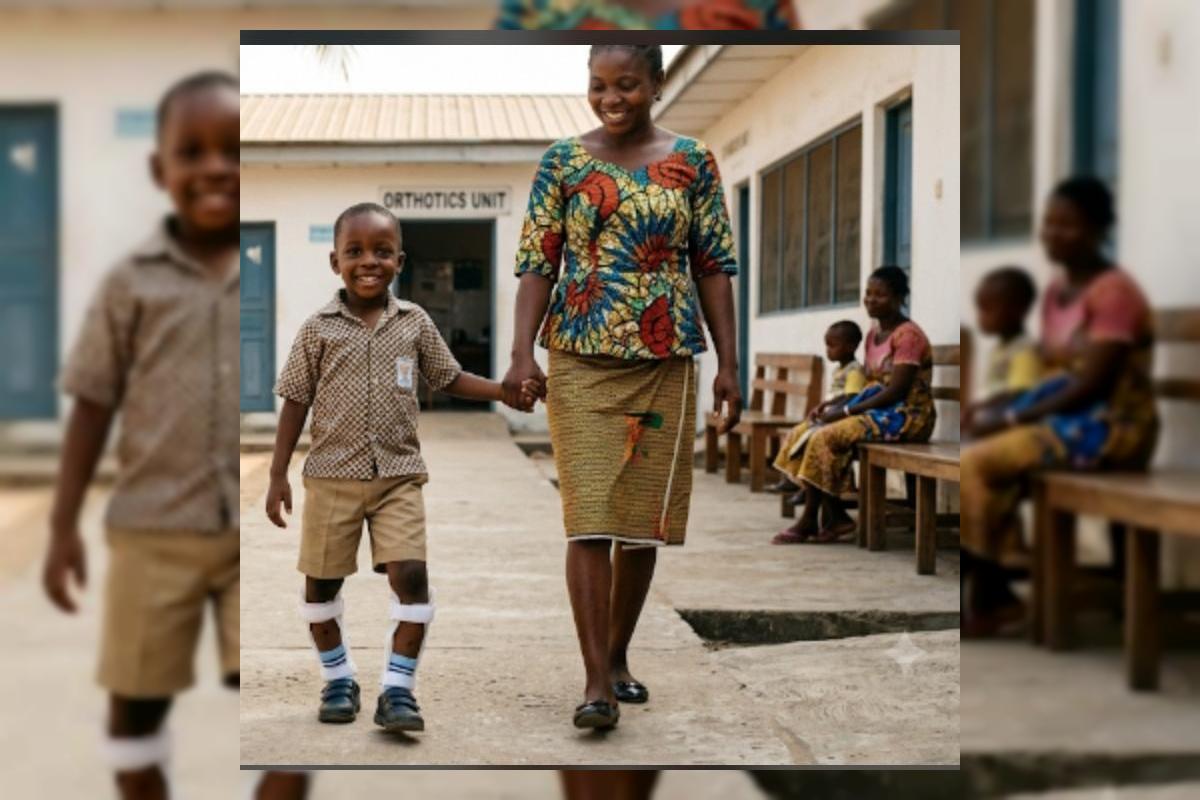

"My child is just chubby; those bow legs will straighten out naturally as she grows." This is one of the most widespread and clinically dangerous orthopedic myths circulating in Nigerian homes today. While mild bowing is a normal developmental stage for infants, ignoring persistent lower limb curvature can lead to irreversible bone structural defects.
"We noticed her knees curving outward when she started walking at fourteen months, but elders in our neighborhood told us to massage them with hot water and palm oil. By her fourth birthday, the bowing was so severe she couldn't run without falling. When we finally visited the teaching hospital, the doctor told us her growth plates were already failing." — Mother of a 5-year-old patient · Benin City, Edo State
Persistent lower limb bowing affects thousands of Nigerian toddlers and school-aged children every year. Many of these cases progress entirely unchecked due to low public awareness, a lack of routine physical screening in primary healthcare centers, and deep-seated cultural misconceptions. In the context of pediatric orthopedics, a child whose legs remain visibly bowed past the age of two is rarely experiencing "normal growth." Instead, they are often battling underlying pathological conditions like Blount’s disease or severe nutritional rickets. Left untreated, these conditions cause progressive joint degradation, unequal limb lengths, a wobbly gait, and profound social stigma. The most effective conservative solution is early intervention with a custom-fabricated orthosis. Unfortunately, a vast gap remains between early detection and timely orthotic referral in Nigeria's healthcare system. Orthonarra is dedicated to dismantling these misconceptions and educating families on how custom orthotic bracing can rewrite a child's mobility alignment.
Pathological Bowing: Blount’s Disease and Rickets
To protect a child's long-term mobility, parents must understand the critical distinction between physiological bowing and pathological bowing. Physiological bowing is normal in infants under eighteen months due to their cramped position in the womb, and it typically self-corrects as they begin weight-bearing. However, if the bowing persists or worsens past the age of two, it crosses into pathological territory. The two most common causes in Nigeria are adolescent or infantile Blount’s disease and rickets. Blount's disease is a progressive growth disorder that causes the inner side of the upper tibia (shinbone) growth plate to slow down or stop producing bone normally, while the outer side continues to grow, resulting in an increasingly sharp outward curve. Rickets, conversely, is a systemic softening of the bones usually triggered by severe Vitamin D deficiency or poor calcium absorption, which causes the weight-bearing long bones of the legs to bend outward under the child's body weight. In Nigeria—where traditional, forceful leg massaging by roadside bone-setters is frequently prioritized over professional clinical care—these structural issues are often severely aggravated, leading to permanent joint deformities, chronic pain, and an eventual need for complex, invasive corrective osteotomy surgeries.
"The knees flare outward. The shinbones rotate. The child’s walking pattern becomes strained and unbalanced. A custom-contoured corrective orthosis redirects these mechanical forces, safely steering the soft, growing bone back into its natural, upright alignment."
The Corrective Orthosis: Straightening Bones Without Surgery
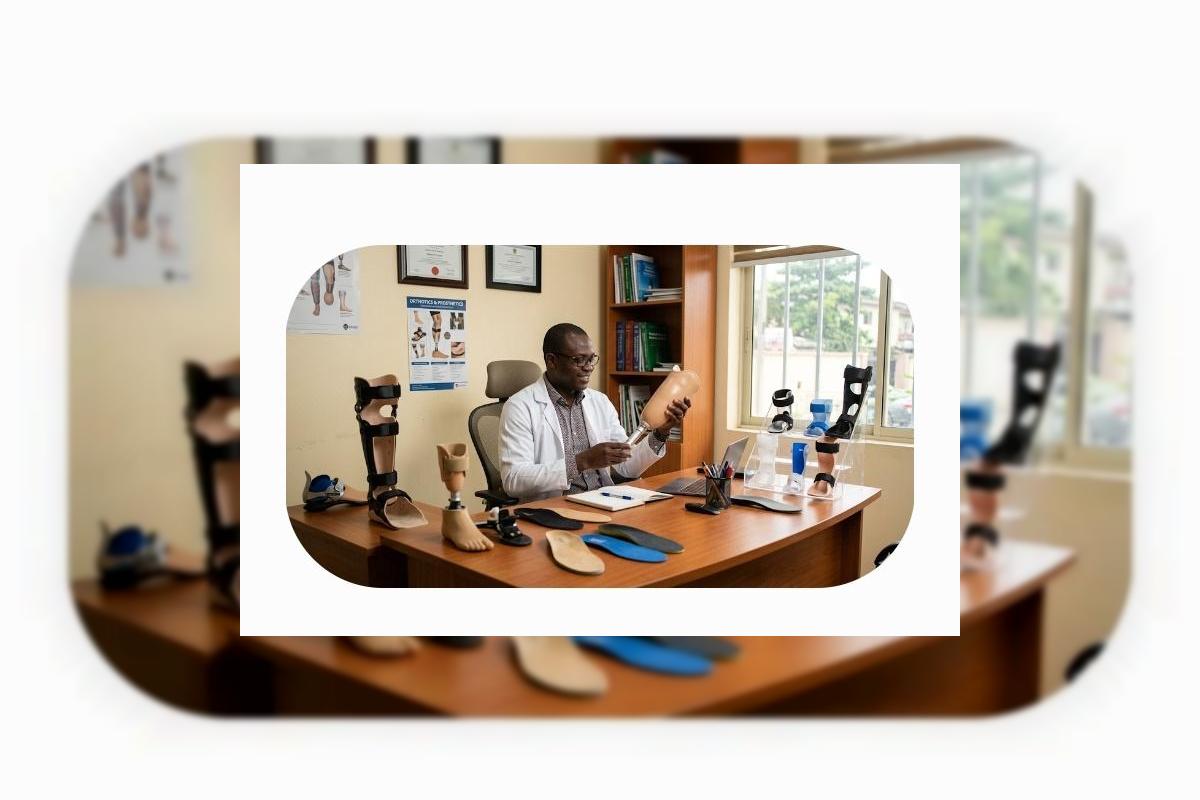
A pediatric bowleg orthosis—typically a custom-molded Knee-Ankle-Foot Orthosis (KAFO) or a specialized nighttime corrective brace—is a highly specialized medical device designed by trained orthotists in the orthotics and prosthetics field. Fabricated from lightweight, high-density thermoplastics and lined with hypoallergenic foam padding, the orthosis features sturdy medial or lateral structural bars and precision knee hinges. It operates on a precise "three-point pressure" biomechanical principle, applying consistent, gentle corrective forces to the knee and shin while relieving load from the compromised growth plate. Modern orthotic designs are meticulously tailored to individual patient anatomy and Nigeria's warm climate, maximizing daily compliance and comfort. By re-aligning the mechanical axis of the lower limb while the child's skeletal structure is still soft and adaptable, the orthosis allows the damaged growth plate to recover and produce healthy bone naturally, completely bypassing the risks, emotional trauma, and immense financial strain associated with pediatric bone surgeries.
Without Early Orthotic Treatment
Allowing pathological bowing to progress causes severe, asymmetric wearing of the knee joints, early-onset osteoarthritis, chronic back pain, and a permanently altered, fatiguing gait. Beyond the physical limitations, children often endure relentless teasing, bullying, and isolation at school due to their physical appearance, severely damaging their developing self-esteem, mental health, and future life opportunities.
With Timely, Correctly Fitted Orthosis
Timely orthotic bracing safely halts curve progression, completely restores normal lower limb alignment, optimizes joint development, and eliminates secondary compensation pain. Children can run, play, attend school without discomfort, and grow up with the physical freedom and self-confidence they deserve, entirely avoiding the operating room through consistent brace compliance.
Clinical documentation proves that custom orthotic intervention achieves excellent success rates in treating moderate Blount's disease and rickets when initiated before the child reaches three or four years of age. Despite this, public awareness remains critically low across Nigeria. Greater integration between pediatricians, nutritional health officers, and orthotists at Federal Medical Centres (FMCs) and state specialist clinics is urgently needed to catch these cases before the child's growth plates permanently fuse.
A Path Straightened: Tobi’s Success Story in Benin City
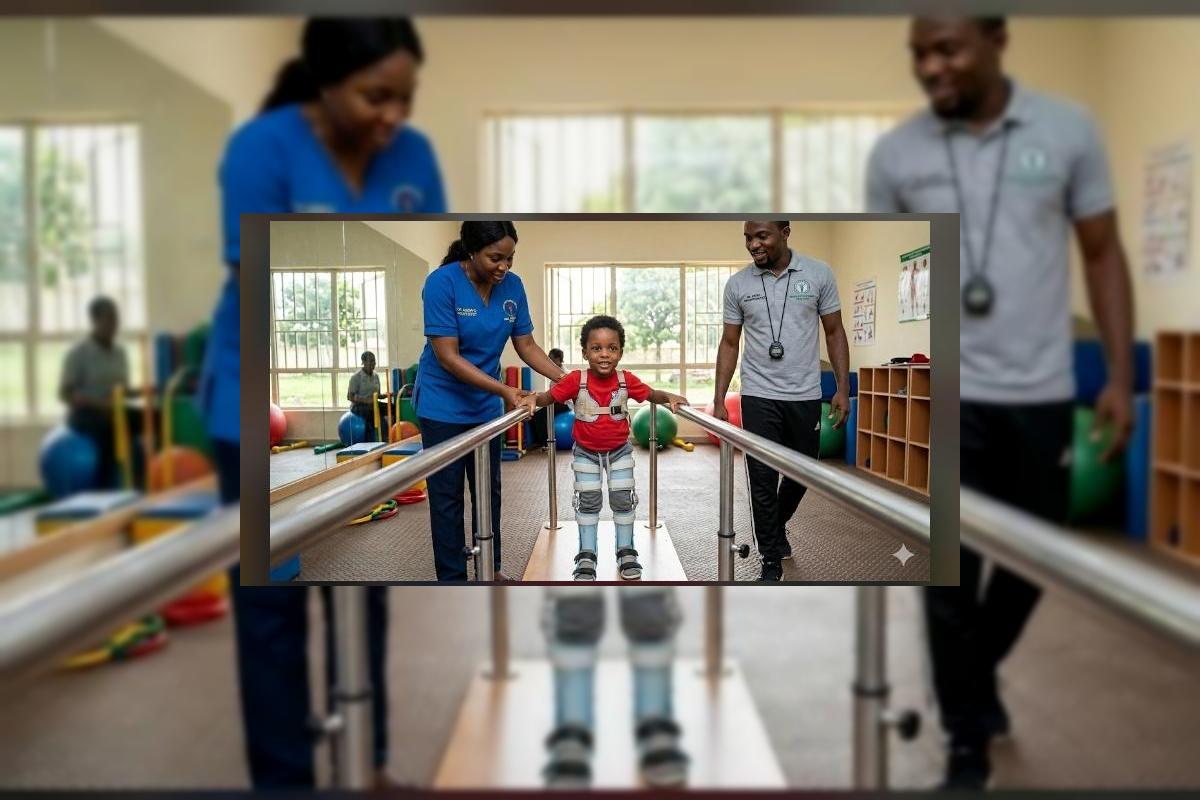
Three-year-old Tobi from Benin City developed severe, progressive outward bowing in both legs due to infantile Blount's disease. His grandmother insisted it was just "heavy baby steps" and recommended rigorous traditional oil massages. Fortunately, Tobi's mother noticed his worsening limp and sought an assessment from a qualified orthotist. Tobi was fitted with a pair of custom, lightweight thermoplastic KAFOs designed to realign his knees during his active growth spurts. He wore his corrective braces faithfully for fourteen months alongside appropriate medical management. The transformation was profound: his mechanical leg alignment completely straightened, his wobbly gait corrected into a normal stride, and his knee joints stabilized perfectly. Today, Tobi runs and plays seamlessly with his peers, and his mother actively utilizes her experience to warn other Nigerian parents against the dangers of the "wait and see" approach to childhood bowing.
Action Steps for Every Nigerian Parent
1 Track the developmental timeline carefully
Closely monitor your child's leg alignment as they transition from crawling to independent walking. If visible outward bowing persists, worsens, or becomes highly asymmetrical after eighteen to twenty-four months of age, bypass traditional advice and seek an immediate professional clinical evaluation.
2 Avoid traditional bone-setters and aggressive massagers
Forceful stretching, pulling, or binding of a toddler's legs by unqualified traditional practitioners can fracture fragile bone tissue, damage sensitive growth plates, worsen structural alignment, and create permanent physical disability. Pathological conditions require precise, scientific biomechanical control.
3 Demand a certified orthotics specialist referral
Do not rely solely on general health advice if you notice an unusual lower limb curve. Explicitly request a referral to a certified orthotist or a specialized prosthetic and orthotic department at your nearest teaching hospital or Federal Medical Centre for custom brace design and fabrication.
4 Commit fully to the prescribed bracing protocol
Orthotic success is entirely dependent on consistency and compliance. Ensure your child wears their custom corrective orthosis exactly for the recommended hours per day, maintain routine follow-up appointments for adjustments as they grow, and combine bracing with prescribed clinical nutrition.
Addressing lower limb deformities in Nigeria requires robust public health advocacy, aggressive school screening initiatives, and a unified referral pipeline between pediatric care providers and orthotists. Parents, teachers, and primary health workers hold the key to early detection. By acting decisively with custom orthotic solutions during a child's early growth windows, families can protect their children from advanced physical complications and secure a straight, active, and confident path forward for the next generation.
For Families Seeking Guidance on Bow Legs
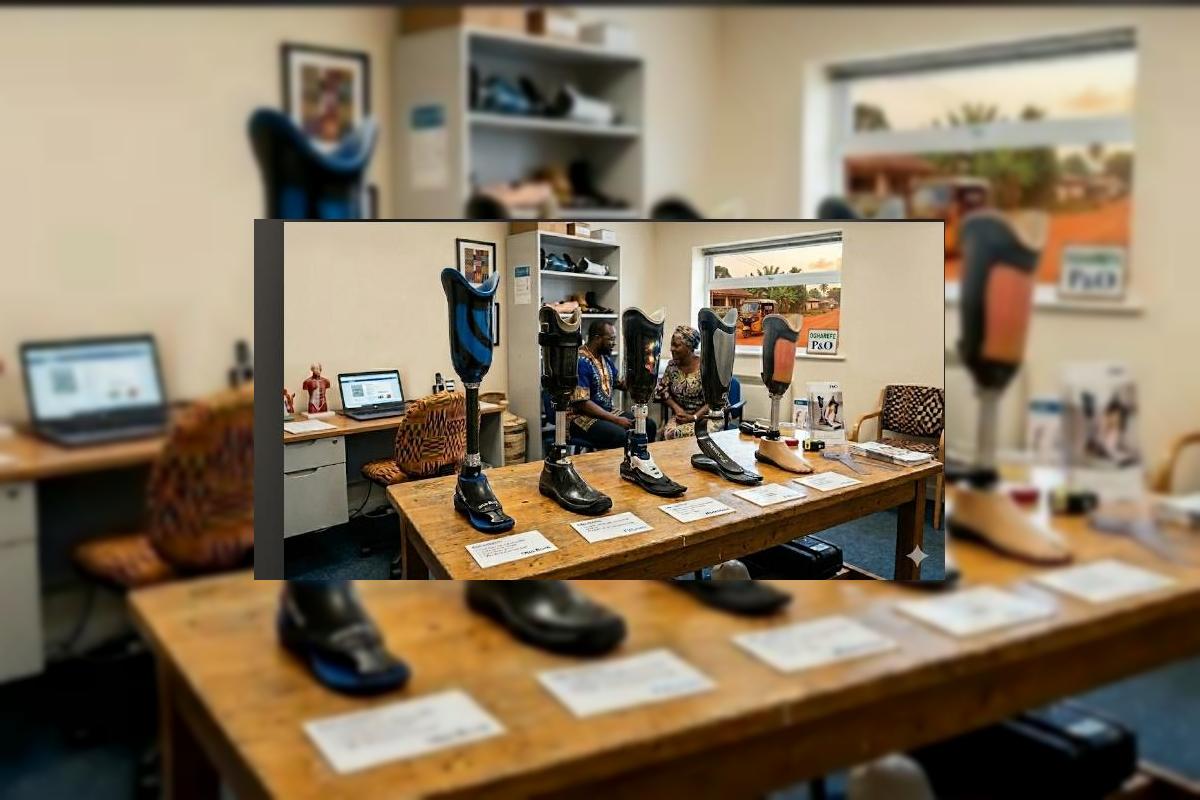
If your toddler's legs show persistent outward curvature, or if you suspect their walking pattern is abnormal, do not lose valuable time. Contact a certified orthotist or visit the P&O unit at your nearest tertiary hospital or specialist clinic immediately. A custom-fabricated corrective orthosis can comfortably guide their bones, avoid invasive surgeries, and restore their structural alignment. Orthonarra is dedicated to supporting Nigerian families with authoritative education on pediatric conditions and modern breakthroughs in the orthotics and prosthetics field. Protect your child’s mobility today—early intervention is the foundation of a healthy future.
Comments (0)
No comments yet. Be the first!
Please login to leave a comment
Login to Comment