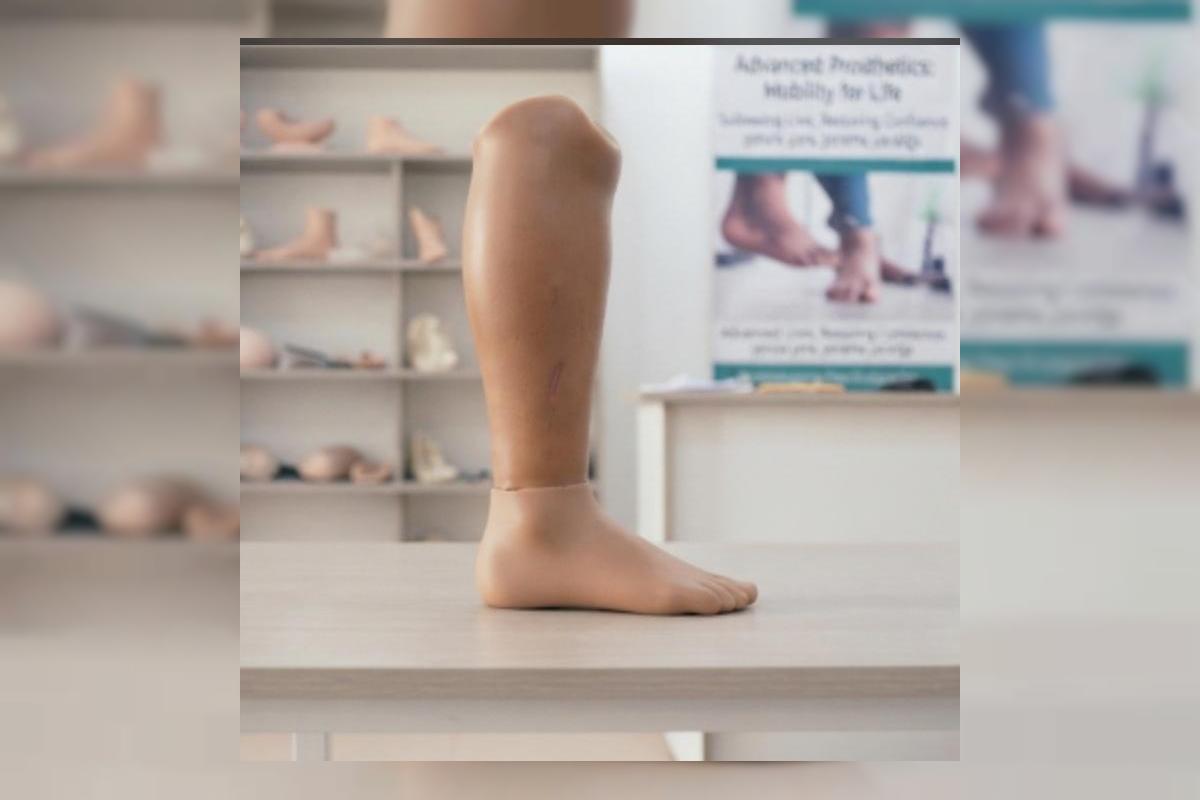

For many who undergo amputation, the journey back to mobility is not just about the mechanics of walking; it is about the quiet process of reclaiming one’s sense of self. In Nigeria, where social perceptions of disability can often be heavy, a prosthetic limb is frequently viewed solely as a "functional" tool. However, the emerging focus on silicone prosthetic covers and cosmetic restoration is shifting the narrative: a prosthesis shouldn't just help you move—it should help you feel like "you" again.
"When I first got my prosthetic leg, it was just a raw, industrial-looking frame. I felt like a machine, not a person. People would stare, not out of malice, but out of curiosity, and I found myself wearing long trousers even in the heat of Lagos just to hide it. When I finally found a provider who offered a skin-matched silicone cover, everything changed. It wasn’t about tricking others; it was about me looking in the mirror and seeing myself—my shape, my skin tone, my identity—restored. — Tunde, Lagos"
The psychological impact of limb loss is profound, often involving a grieving process for the body that once was. While functional prosthetics are the priority for mobility, cosmetic covers—particularly high-quality silicone—address the "social visibility" of limb loss. In the Nigerian context, where stigma can occasionally lead to isolation, a lifelike prosthetic cover can be a powerful tool for social integration. It allows the wearer to navigate public spaces, work, and community gatherings with a level of anonymity that many find crucial for their mental peace.
The Three Dimensions of Cosmetic Restoration
Cosmetic restoration is more than a superficial layer; it involves balancing aesthetics, durability, and skin health.
| Feature | Psychological/Physical Benefit |
|---|---|
| Skin-Tone Matching | Reduces self-consciousness and social anxiety in public. |
| Silicone Texture | Mimics the suppleness of human skin; feels natural to the touch. |
| Protection | Covers sensitive mechanical parts from dust, grit, and heat. |
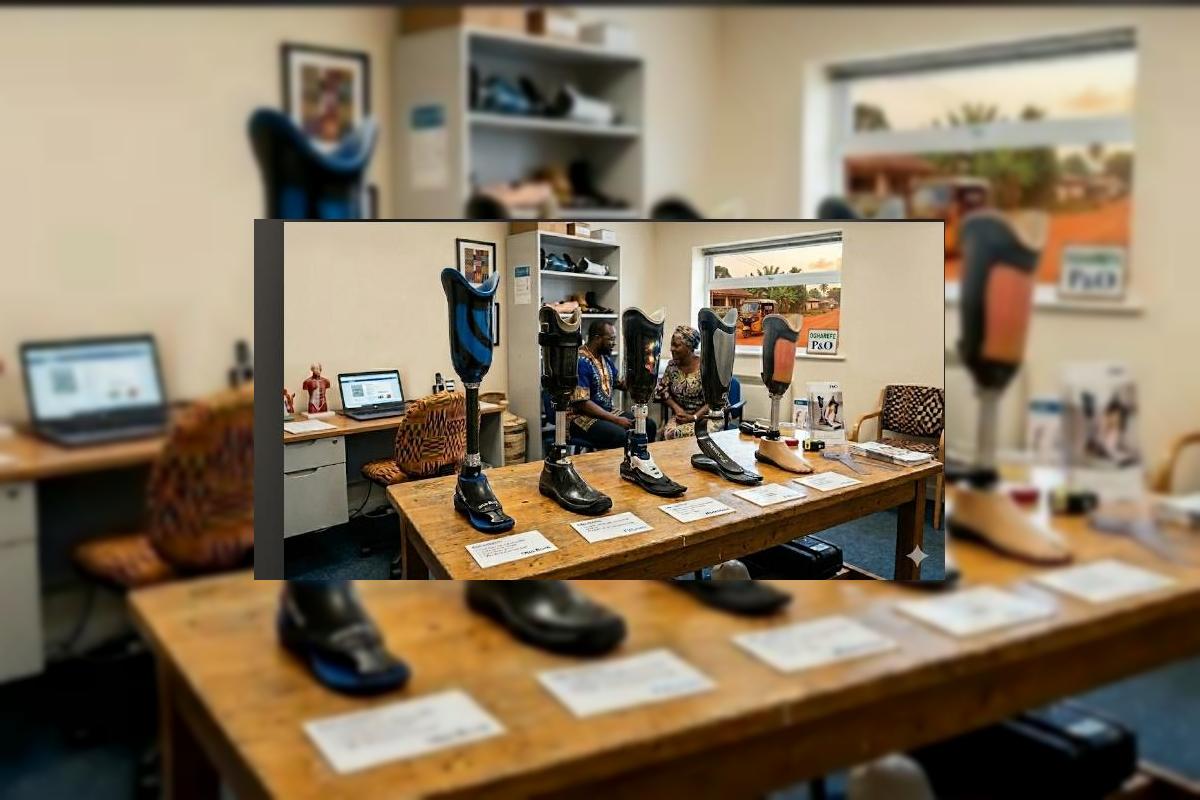
"We are seeing a move away from 'one-size-fits-all' prosthetics. Patients in Nigeria are increasingly asking for covers that reflect their identity. It’s a vital step in rehabilitation—when the device matches the person, the patient is far more likely to wear it consistently and engage with their environment."
Beyond Aesthetics: The Clinical Reality
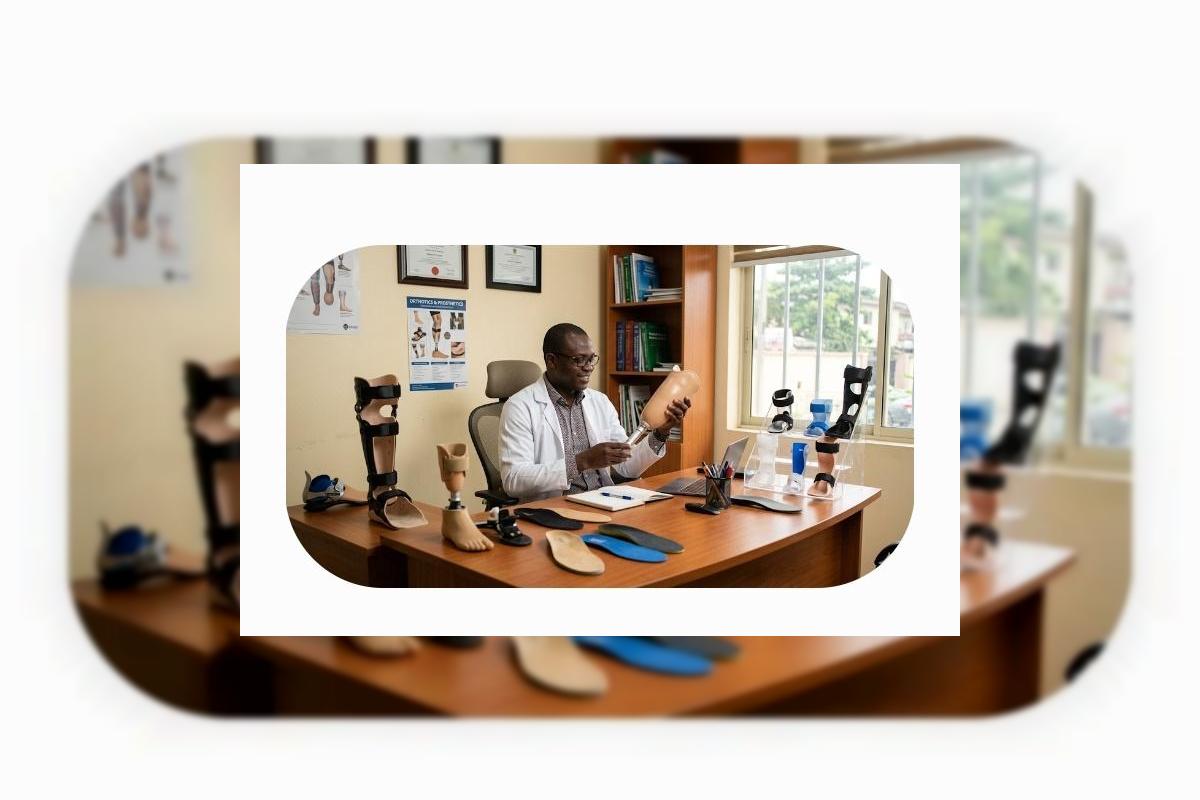
While the psychological benefits are clear, it is important to understand the role of medical-grade silicone. It is hypoallergenic, easy to clean, and durable against the Nigerian climate. However, because it is custom-molded to the individual, it requires precise clinical casting. A poorly fitted cover can trap sweat or cause skin irritation, which is why cosmetic covers should always be managed by a qualified prosthetist rather than an off-the-shelf purchase.
The Five Pillars of Cosmetic Integration
To make cosmetic restoration a standard part of prosthetic care in Nigeria, we must prioritize these elements:
1 Personalized Color Matching
Moving beyond generic shades to match the rich diversity of Nigerian skin tones.
2 Breathability and Hygiene
Ensuring the cover is designed for our climate, allowing for airflow to prevent overheating.
3 Durability for Terrain
Materials must be resistant to tearing from grit and debris encountered on unpaved roads.
4 Clinical Fitting
Covers must be fitted by experts to ensure they don't interfere with the structural function of the prosthesis.
5 Affordability Pathways
Working toward government and insurance policies that recognize cosmetic covers as part of holistic rehabilitation, not just a "luxury."
The Strategic Shift: From 'Tool' to 'Identity'
The deep forest green and terracotta palette reflects our belief that restoration should be as natural as the earth itself. We are moving toward a standard of care where the prosthesis is viewed as a piece of the individual, deserving of the same dignity and attention as any other part of the body.
| The Traditional "Device" Path | The Holistic "Identity" Path |
|---|---|
| Prosthesis is treated purely as a tool. | Prosthesis is treated as part of the body. |
| High psychological barrier to use. | High level of confidence and acceptance. |
| Social isolation due to visibility. | Social integration through natural aesthetics. |
| Patient feels "disabled" by the look. | Patient feels "restored" by the design. |
Cosmetic restoration is not about hiding the fact that one has had an amputation; it is about choosing how one presents themselves to the world. It is a vital component of dignity. As prosthetic services in Nigeria continue to expand, we must ensure that we aren't just giving our patients limbs that work, but limbs that make them feel whole. Our goal is a future where the confidence of the patient is as central to the treatment plan as their ability to walk.
A Call for Dignified Care
To the patients: You have a right to choose how your body looks—don't be afraid to ask your clinician about cosmetic options. To the clinicians: Integrate aesthetics into your consultation; a patient who likes their device is a patient who uses it. To the policymakers: Cosmetic restoration is a part of psychological health, which is essential to the overall well-being of our citizens. The terracotta and green represent the land we cultivate—let's ensure we are cultivating a society that values the wholeness and dignity of every person. OrthoNarra will keep the conversation focused on holistic care until every Nigerian patient has the option to be restored, head to toe. Mobility is the key to life, but dignity is the key to living it.
Comments (0)
No comments yet. Be the first!
Please login to leave a comment
Login to Comment