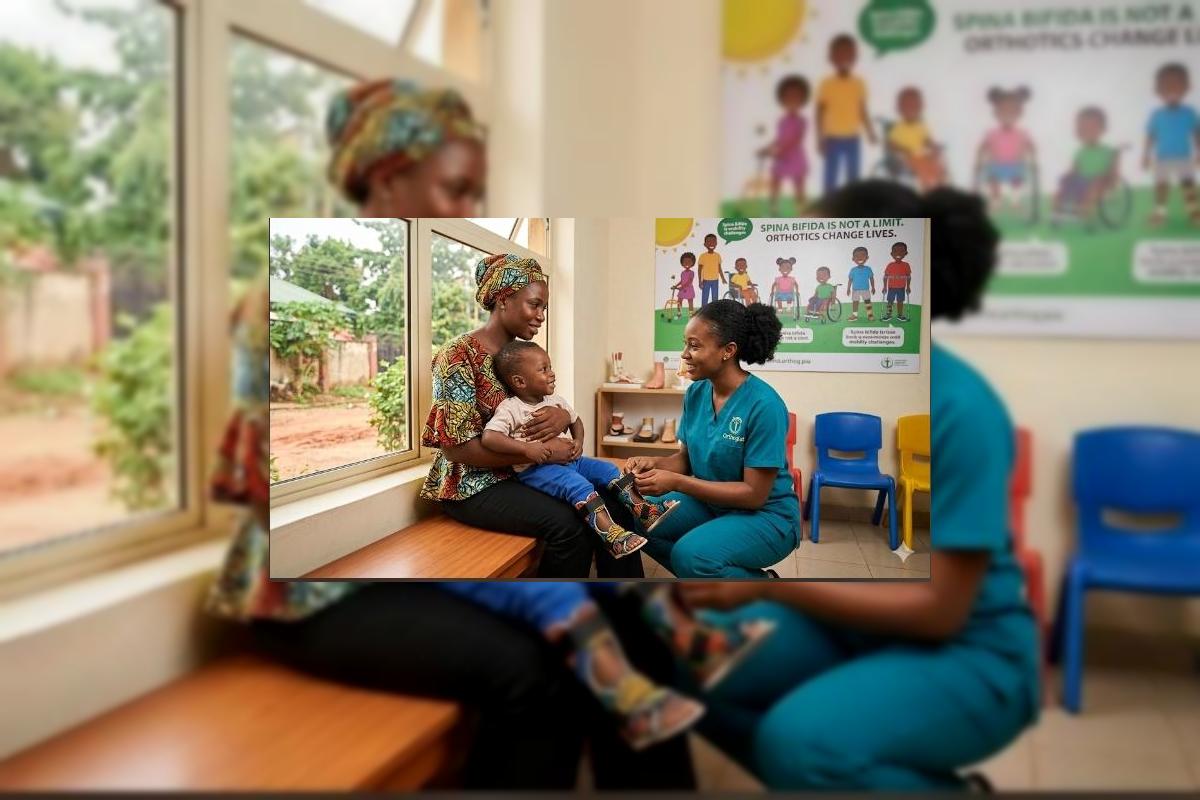

The silence surrounding Spina Bifida in Nigeria is not merely a social oversight; it is a neurological and developmental tragedy. For an infant born with a spinal column defect, the calendar is the most formidable adversary.
"In my neighborhood in Enugu, they called my daughter a child of the water spirits because her feet were twisted inward at birth from Spina Bifida. They told me to hide her. But then she got her special alignment braces. Now, at three years old, she stands by the door and smiles, ready to take her steps. It wasn’t public folklore that saved her mobility—it was clinical intervention and targeted orthotic stabilization. — Mother of Amara, Enugu"
In the landscape of pediatric orthopedics in Nigeria, we find ourselves at a critical crossroads between cultural stagnation and modern neurobiology. Children with musculoskeletal disorders are frequently left without timely care due to widespread public misconceptions, which often delay professional consultation until a deformity becomes visually severe and rigidly fixed. Yet, while families hesitate, the vital physiological window for effortless bone and joint remodeling slams shut. Early therapeutic screening is not an elective luxury; it is a biological mandate. When we fail to introduce targeted orthotic devices and physical therapy during the first months of life, we deny the child's rapidly developing nervous system and skeleton the foundation required to map healthy alignment and symmetry naturally.
The Three Barrier Cards: Why Nigeria’s Children are Left Behind
To shift the national conversation on early intervention Nigeria statistics, we must dismantle the three systemic pillars of exclusion that keep families trapped in delay. These distinct structural challenges dictate whether a child avoids permanent physical limitations or spends a lifetime compensating for a preventable deformity.
| Barrier | The Impact on the Child | The Necessary Shift |
|---|---|---|
| The "Wait and See" Advice | Soft, pliable infant bones harden into misaligned, permanent structural deformities. | Evolving public awareness to treat early childhood tracking issues as urgent clinical priorities. |
| Fragmented Diagnostics | Subtle joint instabilities and muscle imbalances are missed during routine wellness checkups. | Mandatory specialized musculoskeletal screening at all primary neonatal clinics. |
| Geographic Disparities | Advanced custom-molded pediatric orthoses remain highly concentrated in major urban hubs. | Subsidizing and decentralizing pediatric assistive technology across all six zones. |
"An infant's skeletal system possesses an incredible capacity for rapid remodeling under controlled mechanical forces. The only variable is the timing of intervention — and time is exactly what families squander when public awareness fails to highlight the urgency of early care."
Clinical Profile: Neuroplasticity and Skeletal Pliability
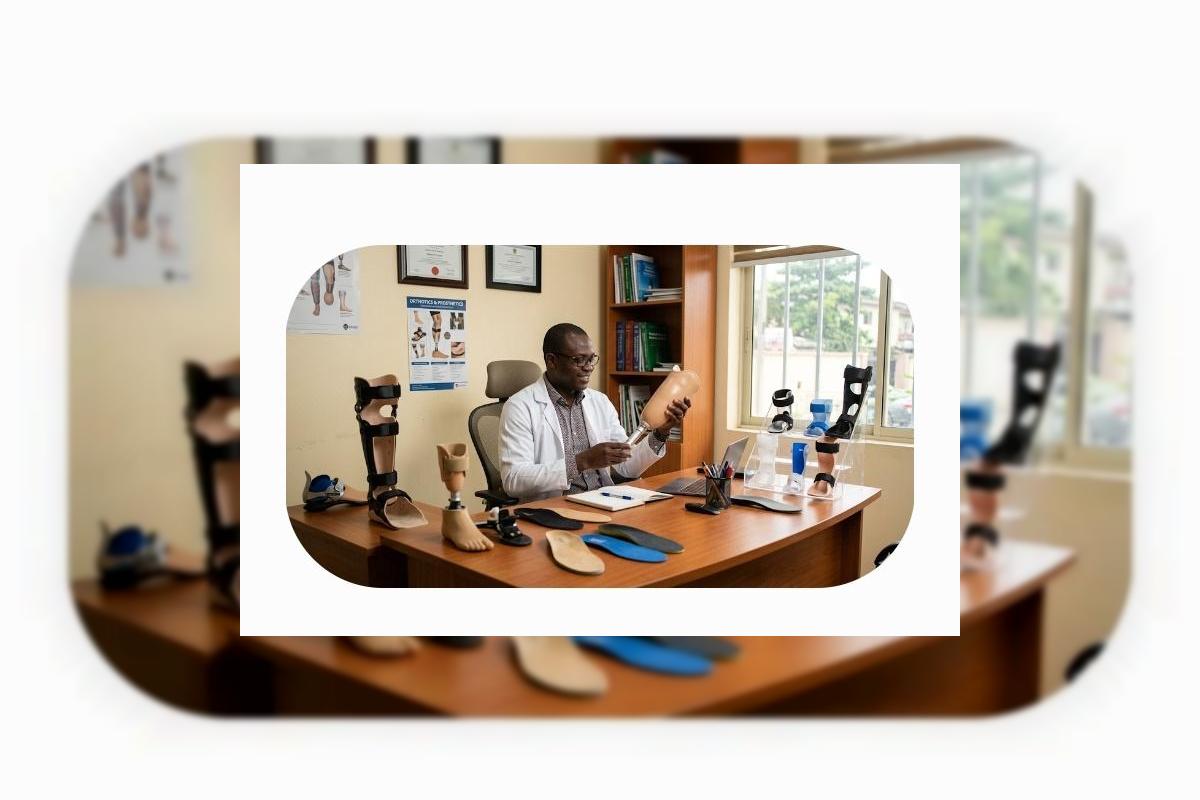
During the first two years of life, a child's neurodevelopmental and skeletal systems are uniquely adaptable. The motor cortex is rapidly forming neural pathways based on sensory feedback, while the bones are largely composed of pliable cartilage waiting to ossify under the laws of physical loading. If a musculoskeletal disorder—such as a congenital alignment issue, abnormal muscle tone from Spina Bifida, or joint asymmetry—is left unaddressed during this golden window, the body permanently maps these flawed movement mechanics. Conversely, introducing a targeted, pro-active early rehabilitation protocol takes full advantage of this natural plasticity. Utilizing lightweight, custom-fabricated orthotic braces holds the growing skeleton in optimal alignment, ensuring that as bone tissues harden, they do so along a path of perfect structural integrity.
What Changes Everything: The Action Strip
Early screening pathways and the prompt utilization of pediatric orthotic management yield five concrete physiological and developmental outcomes. This is the structural framework required to maximize a child's physical potential and promote lifelong mobility:
1 Optimized Bone Remodeling
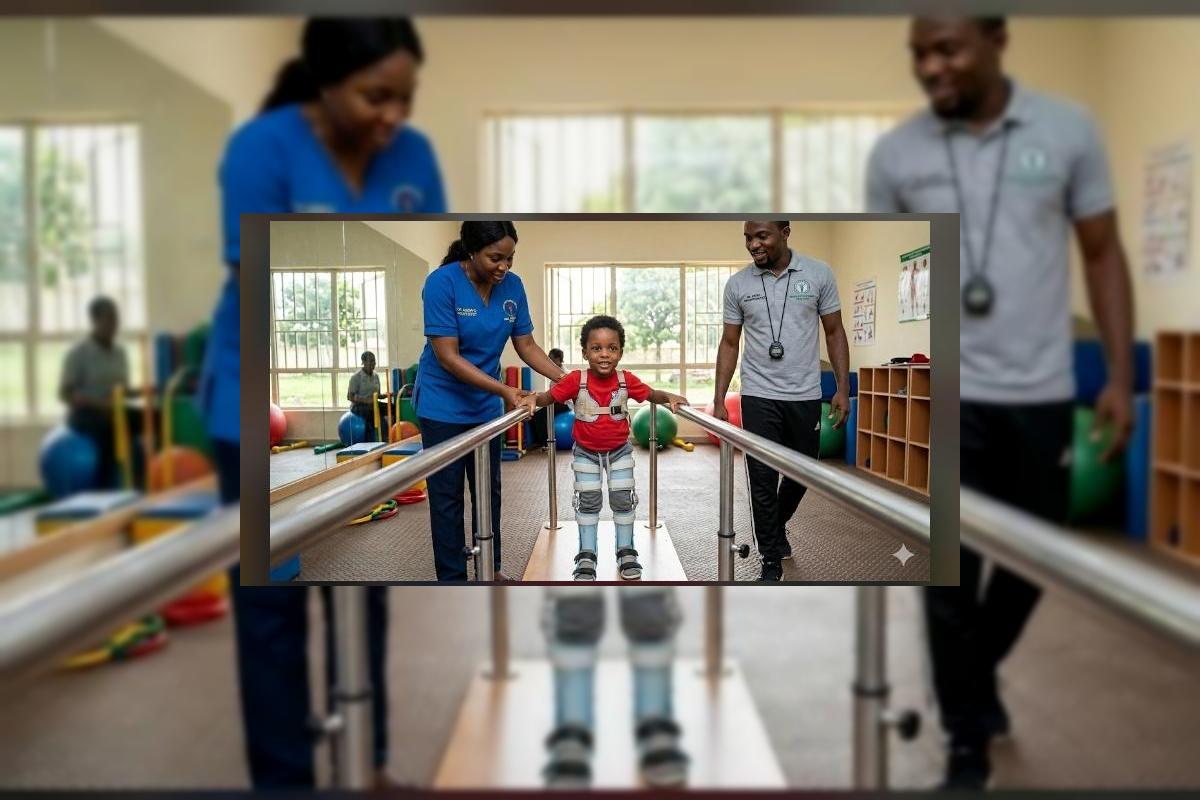
Infant bones shape themselves according to the physical pressures applied to them. Introducing precision bracing early guides bone growth into correct alignment effortlessly, preventing progressive rotational deformities.
2 Neurological Gait Mapping
The central nervous system builds permanent movement blueprints during a child's initial attempts to stand and cruise. Correcting joint angles early ensures the brain permanently registers a balanced, stable gait cycle.
3 Prevention of Secondary Joint Stress
Leaving an alignment issue uncorrected forces adjacent joints to overcompensate. Proactive bracing shields the knees, hips, and lower spine from unnatural shear forces that cause early wear and chronic pain.
4 Avoiding Invasive Surgical Reconstruction
Severe structural deformities often require complex, painful, and costly bone-cutting surgeries in later childhood. Early conservative management using splints and serial casting effectively reduces surgical necessity.
5 Socio-Emotional Confidence
A child who achieves early physical milestones stands tall among their peers. Overcoming mobility limitations before school-going age fosters uninterrupted social integration, psychological confidence, and play participation.
The Biological Imperative vs. The Cultural Stagnation
True medical progress requires replacing cultural hesitation with an aggressive, proactive commitment to pediatric health. We must intentionally move away from the historical passive models of neglect toward an active, institutional standard where every infant showing early indicators of an alignment or tracking challenge is fast-tracked into specialized care.
| The Outdated Approach (Passive) | The Modern Standard (Active) |
|---|---|
| Waiting until a child is old enough to walk to check for symmetry. | Biomechanical and postural tracking starting in the first months of life. |
| Allowing joint contractures to tighten, assuming they will stretch naturally. | Immediate application of positioning splints and targeted stretching. |
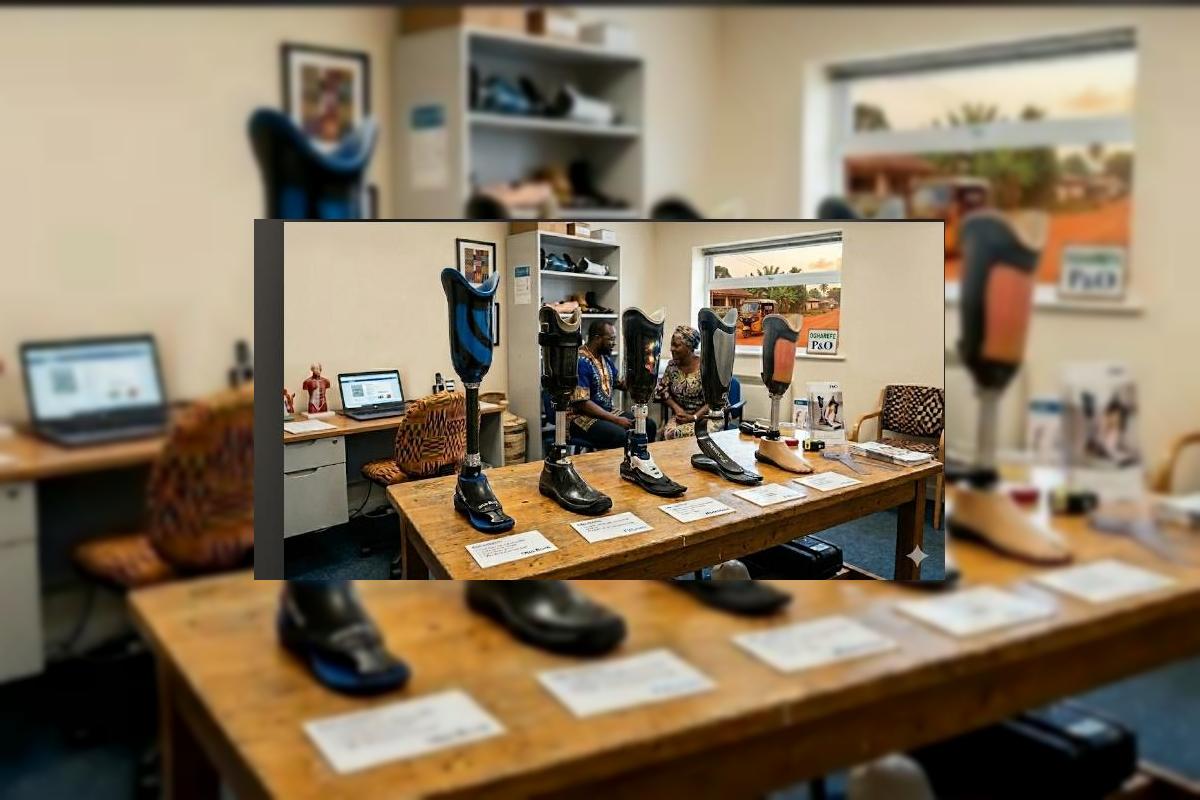
| Relying on public folklore or unverified massage techniques to fix bones. | Deploying evidence-based, custom-molded orthopedic assistive technology. |
| Delaying specialized clinical referrals out of anxiety or denial. | Confronting signs early, empowering families with objective data. |
The time for passive waiting has ended. Every day an infant spends with an unaddressed musculoskeletal imbalance is a day their rapidly growing body adapts in ways that solidify permanent physical limitations. We cannot afford to lose our children's mobility to the waiting rooms of public ignorance and delayed medical referrals. Disability awareness in Nigeria must firmly root itself in the principles of preventive, early pediatric care. We are not just straightening bones; we are protecting the biological potential and structural independence of the next generation.
A Call to Action
To caregivers: Trust your eyes and clinical metrics over outdated reassuring advice; early identification is entirely in your hands. To the primary healthcare workforce: Screen limbs and joints as meticulously as you monitor weight and height; refer early. To the health authorities: Subsidizing early pediatric orthotic intervention is the single most cost-effective method to eradicate preventable lifelong physical disability. OrthoNarra will continue to broadcast these vital clinical insights until early screening becomes a standardized reality across every community. Functional mobility is a birthright that must be guarded from day one.
Comments (0)
No comments yet. Be the first!
Please login to leave a comment
Login to Comment