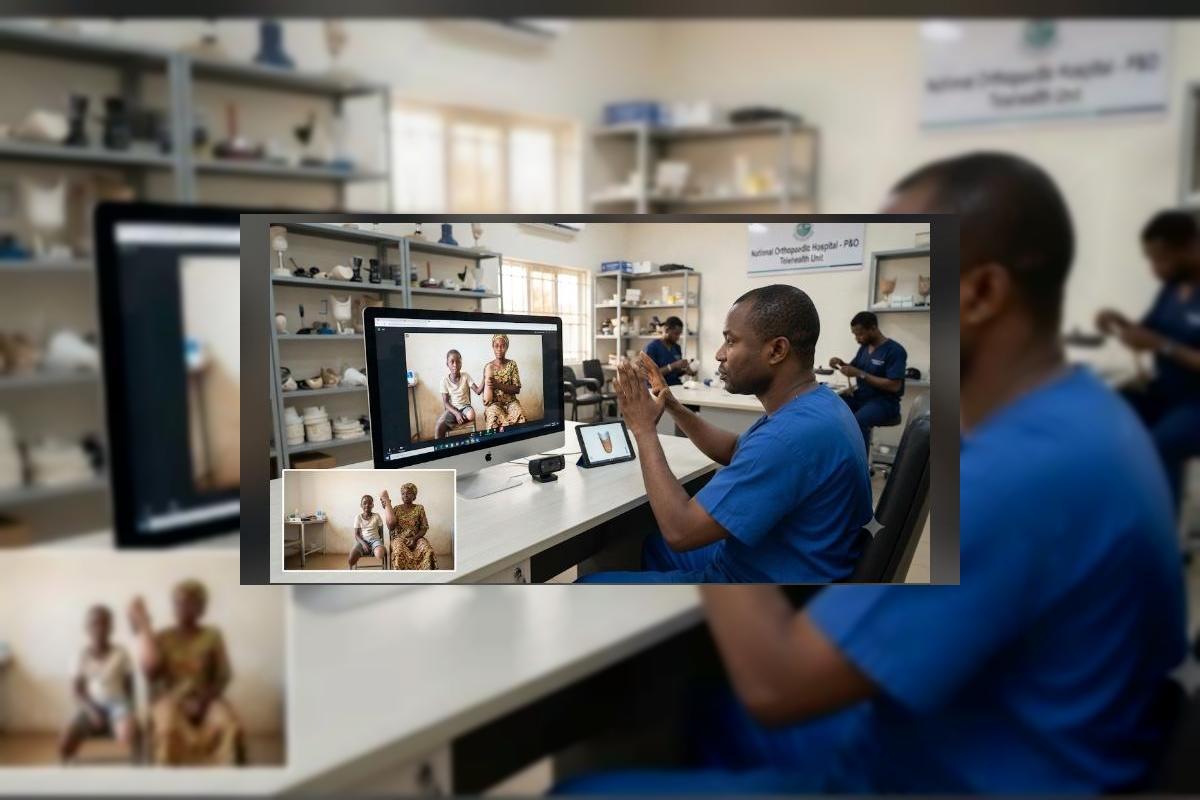

In Nigeria, we often talk about the "need" for better prosthetic and orthotic (P&O) services, yet we are making these critical policy and healthcare decisions in the dark. Without a centralized, national, and dynamic database of users, needs, and outcomes, we are essentially navigating our healthcare journey with a blindfold. Every patient deserves a system that knows who they are, what they need, and when they need it. It is time to build a National P&O Database.
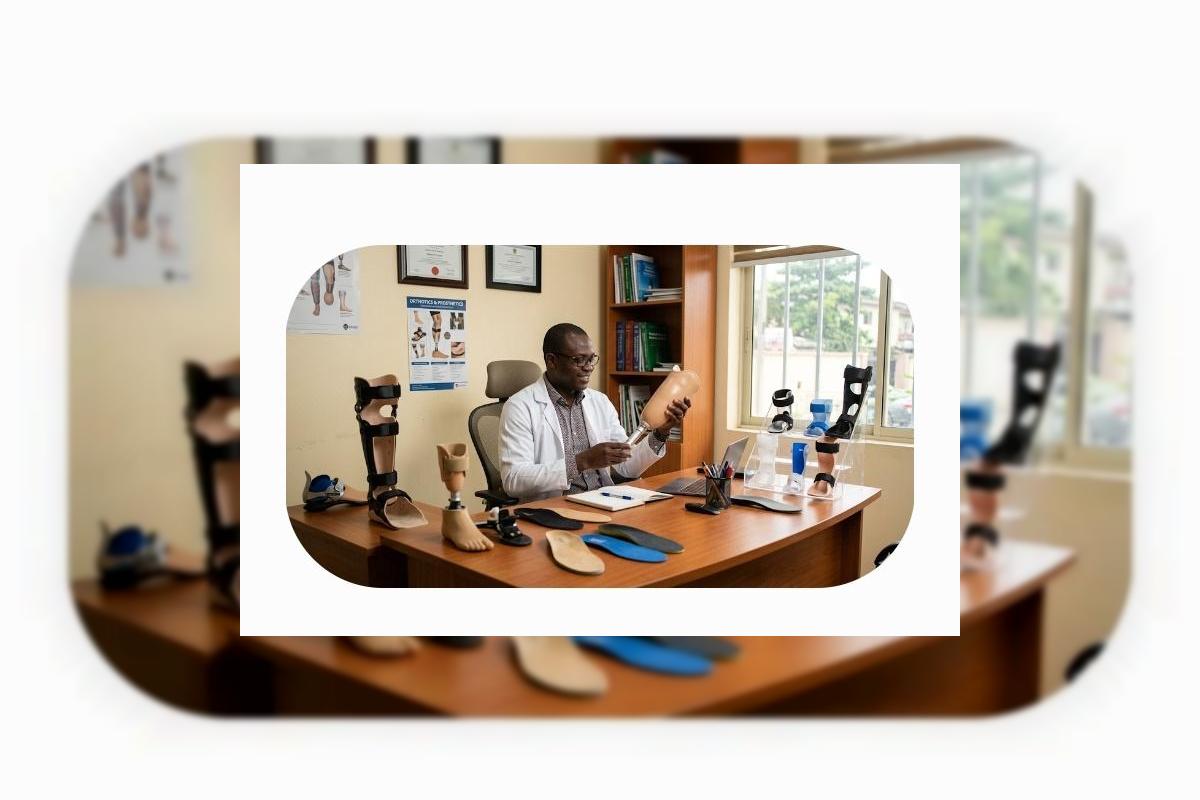
"A database is the difference between guessing what a patient might need and knowing exactly what works. If we tracked every prosthetic fitting in Nigeria, we would know which components survive our rainy season, which joints fail in our humidity, and exactly where the most vulnerable populations are located. — Dr. Efe, Clinical Lead"
In the current landscape of Nigerian rehabilitation, each clinic—whether private or public—operates as an island. A child fitted for a brace in Kano may have their records lost if their family moves to Port Harcourt. An elderly amputee in Lagos might receive a device that is inappropriate for their activity level because there is no national registry tracking the longevity and performance of components across our specific climate and terrain. We cannot improve what we do not measure. A national database is not just a filing cabinet; it is the heartbeat of a modern, data-driven healthcare strategy.
The Three Structural Hurdles
To move from fragmented paper files to a unified digital national registry, we must overcome the specific challenges inherent in our infrastructure.
| The Barrier | The Impact | The Strategic Solution |
|---|---|---|
| System Fragmentation | Data is trapped in physical files or siloed, incompatible software. | Implementing a unified, cloud-based national P&O portal. |
| Data Privacy Concerns | Patients fear how their medical information will be stored or shared. | Adhering to strict, encrypted data protection standards (NDPR). |
| Variable Reporting | Different clinics use different metrics for "success" or "fit." | Establishing a national standardized clinical assessment tool. |
"A national database isn't just for policymakers; it is built to protect and empower the patient. It ensures that your mobility journey is continuous, no matter where you are in the country."
How a National Database Changes Your Care
A national registry directly improves your daily experience through these four critical functional shifts:
1 Portability of Care
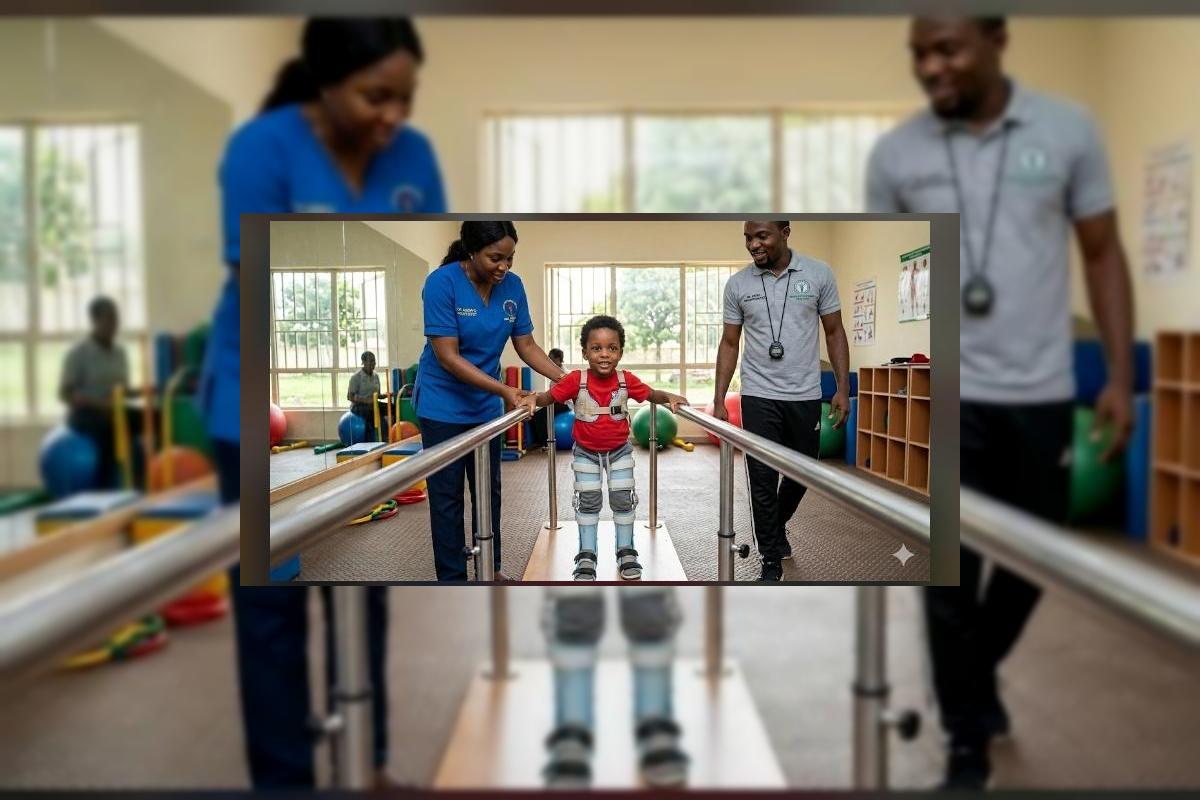
If you relocate for work or family, your new clinic can access your clinical history, socket measurements, and component specifications instantly, ensuring zero interruption to your mobility.
2 Preventative Maintenance
The database can send automated reminders to patients and clinics when a device is due for its annual service, preventing catastrophic breakdowns before they happen.
3 Supply Chain Accuracy
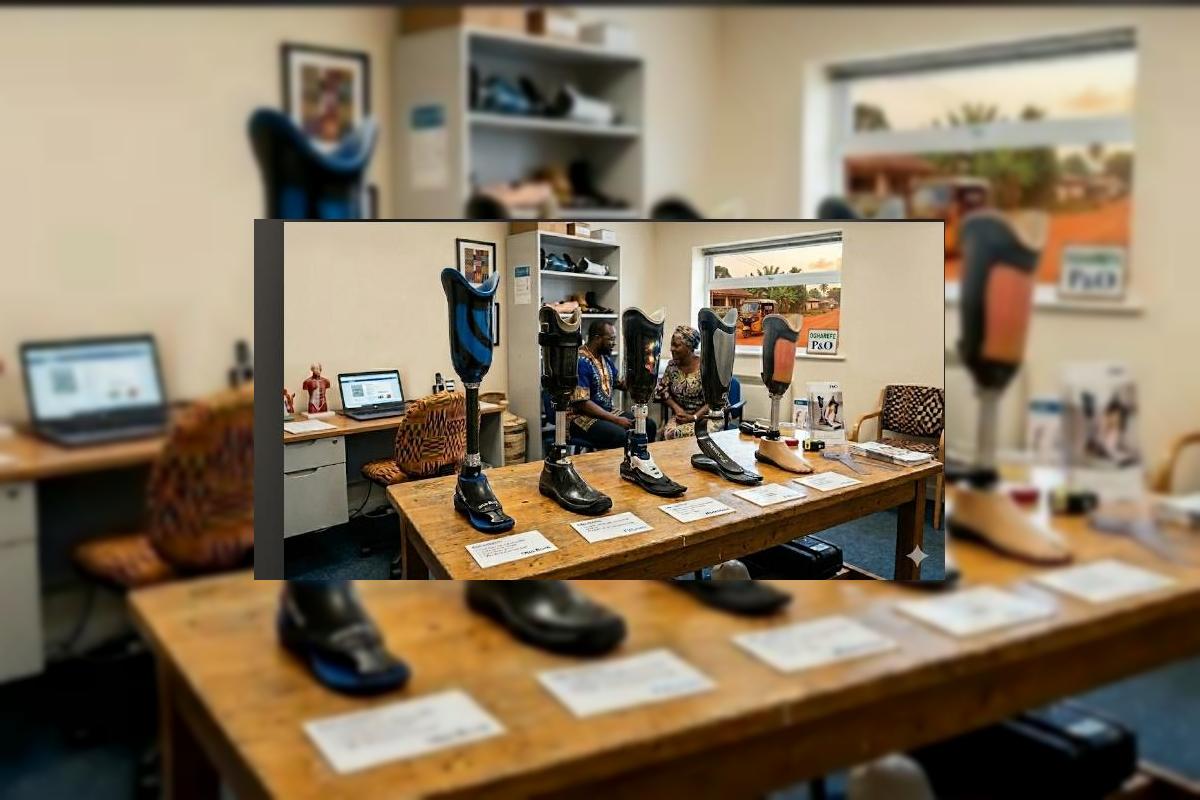
By tracking what is being used, the government can ensure that essential materials are stocked precisely where the demand is highest, preventing the "stockout" crises we see today.
4 Long-Term Research
We can finally analyze how different prosthetic designs perform for Nigerians over a ten-year period, leading to better, locally-informed clinical guidelines.
The Five Pillars of a National Registry
For a registry to be successful and sustainable in the Nigerian context, it must be built on these five foundations:
1 Patient-Centric Access
Every patient should have a digital "mobility card" or app that gives them ownership over their own records.
2 Clinical Integration
The database must be easy to use at the point of care, automatically logging fittings as part of the standard clinical workflow.
3 Cross-Sector Transparency
The registry must include both public and private clinics, ensuring a holistic view of the national landscape.
4 Resource Allocation Engine
Use the data to map out "orthotic deserts"—areas with high disability rates but zero access—to guide where new facilities should be built.
5 Evidence-Based Reimbursement
Provide the NHIA with the concrete data they need to justify and expand coverage for P&O services, based on proven patient outcomes.
The Strategic Shift: From Anonymity to Advocacy
The deep forest green and terracotta palette of this series is our reminder that we are building the foundation for a nation that moves forward together. A database is the first step toward transforming the "invisible" needs of the disabled community into a quantifiable, actionable national priority.
| The "Old" Way (Fragmented & Silent) | The "New" Way (Unified & Visible) |
|---|---|
| Patient records are lost between moves. | Clinical history follows the patient nationally. |
| Clinics guess at component reliability. | We know what lasts based on real-world data. |
| Disability needs are invisible to government. | Data-backed advocacy for budget allocation. |
| Reactive, emergency-based maintenance. | Proactive, scheduled preventative care. |
A database is the ultimate expression of our commitment to the patient. It says: "We see you, we value your history, and we are planning for your future." We must demand that our health authorities prioritize the digitization of rehabilitative care. By centralizing our knowledge, we don't just organize files; we multiply our ability to restore mobility. It is time for Nigeria to log into the future of rehabilitation.
A Call for a Digital Foundation
To the patients: You have a right to your own health history—advocate for digital records that you can carry with you. To the clinicians: Adopt standardized data logging; your contributions to the registry directly improve the quality of care for every patient in the country. To the policymakers: Invest in a national P&O registry as a prerequisite for health equity. The terracotta and green represent the land we cultivate—let's ensure we are using the best data to support the people who walk upon it. OrthoNarra will keep pushing for digital integration until the "blindfolded" era of rehabilitation is a thing of the past. Data is the bedrock of mobility.

Comments (0)
No comments yet. Be the first!
Please login to leave a comment
Login to Comment