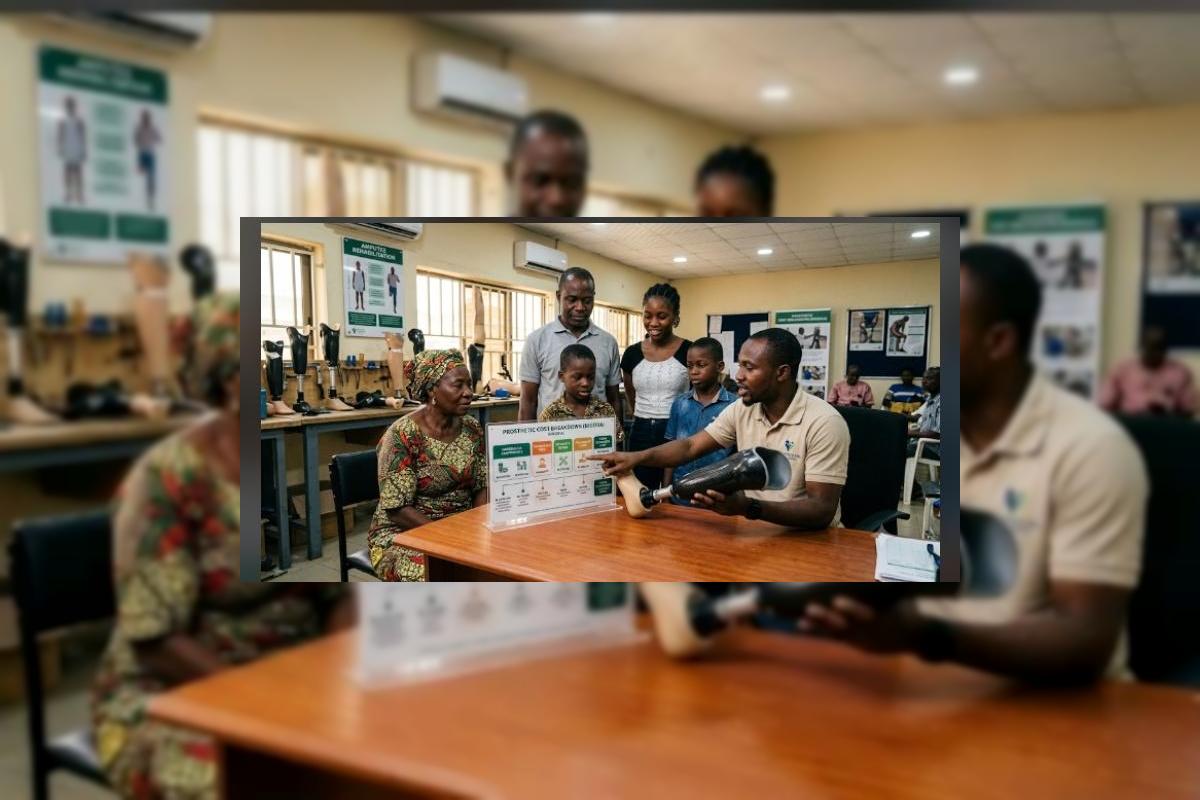

The journey toward mobility in Nigeria is often paved with confusion, silence, and financial instability. For a family facing an amputation, the cost of a prosthetic limb is the single greatest barrier to recovery—and yet, it is a figure that is rarely explained with honesty. We believe that transparency is the first step toward dignity, and every family deserves to see exactly where their money goes.
"When I lost my leg, the hospital told me I needed a 'limb.' I paid a lump sum, but I had no idea why it cost that much or how long it would last. Two months later, the socket became loose, and I was told to pay again. I felt cheated because I didn't understand the process. If I had known how the parts worked, I could have planned my savings better. — Musa, Kano"
In the Nigerian P&O market, the price of a prosthesis is often presented as an opaque "all-in" fee, leaving patients vulnerable to exploitation and misunderstanding. In reality, a functional prosthesis is an engineered assembly of specific components, each carrying its own value. By stripping away the mystery, we can help families make informed decisions about their rehabilitation journey. Understanding the breakdown is not just about counting Naira; it is about recognizing that a prosthetic limb is a piece of medical technology that requires precision, maintenance, and expert skill to align with the unique anatomy of each patient.
The Three Cost Drivers: Why Prices Vary in Nigeria
The total cost of a prosthesis in Nigeria is influenced by three main pillars. Recognizing these helps families navigate quotes from different centers.
| Cost Driver | What It Covers | The Family's Role |
|---|---|---|
| Materials & Components | Imported thermoplastics, resins, carbon fiber, and foot units. | Ask if parts are durable and suited for Nigerian terrain. |
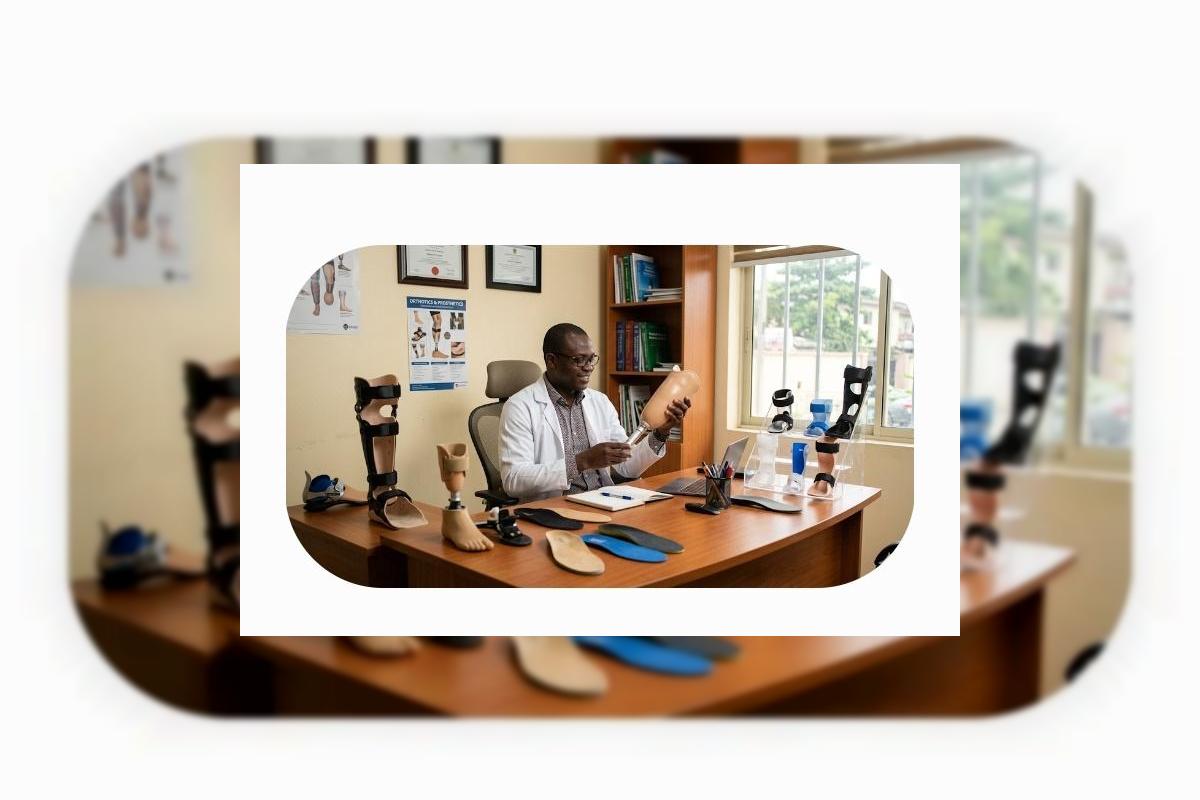
| Clinical Expertise | The prosthetist’s time, casting, socket modifications, and alignment. | Prioritize certified, ISPO-accredited professionals. |
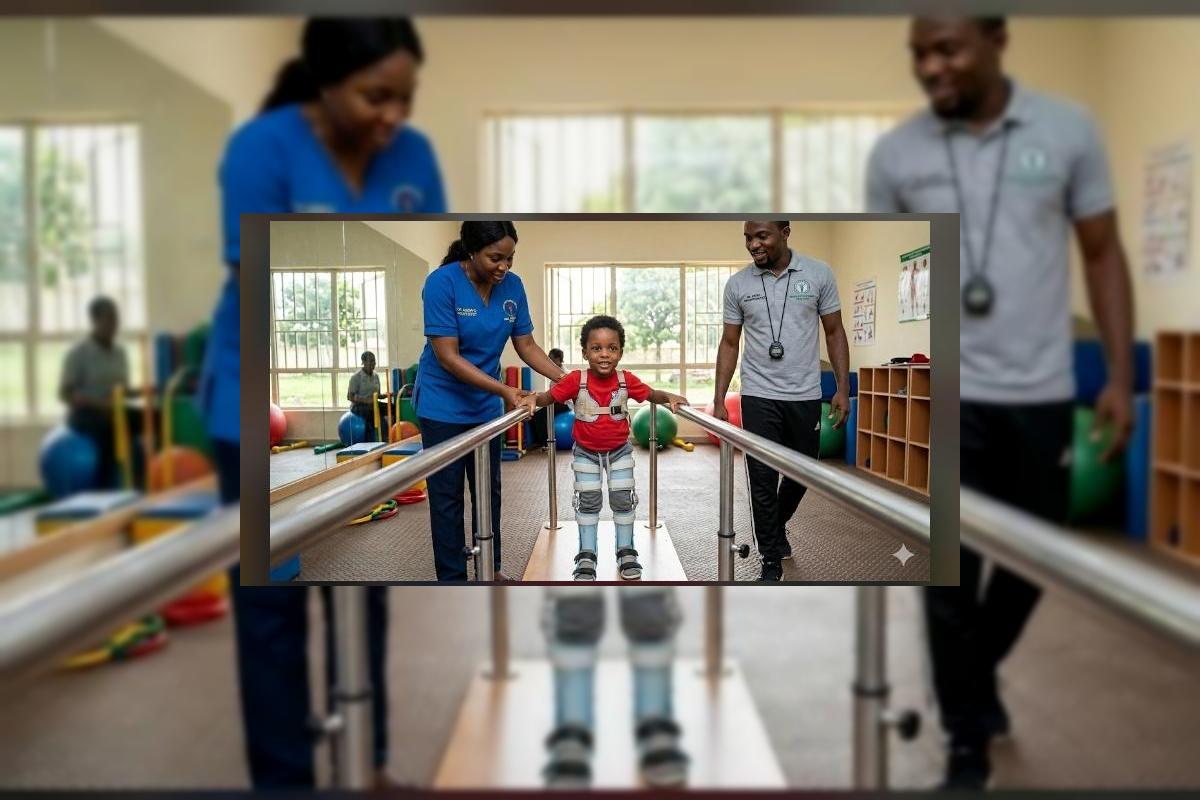
| Post-Fitting Care | Adjustment sessions, liner replacements, and gait training. | Ensure this is included in the initial contract. |
"A prosthesis is not a static purchase; it is a long-term clinical relationship. In Nigeria, the lowest price is often the most expensive choice if it leads to a poorly fitted socket that destroys the patient's skin and requires replacement within months."
The Component Breakdown: Understanding the "Limb"
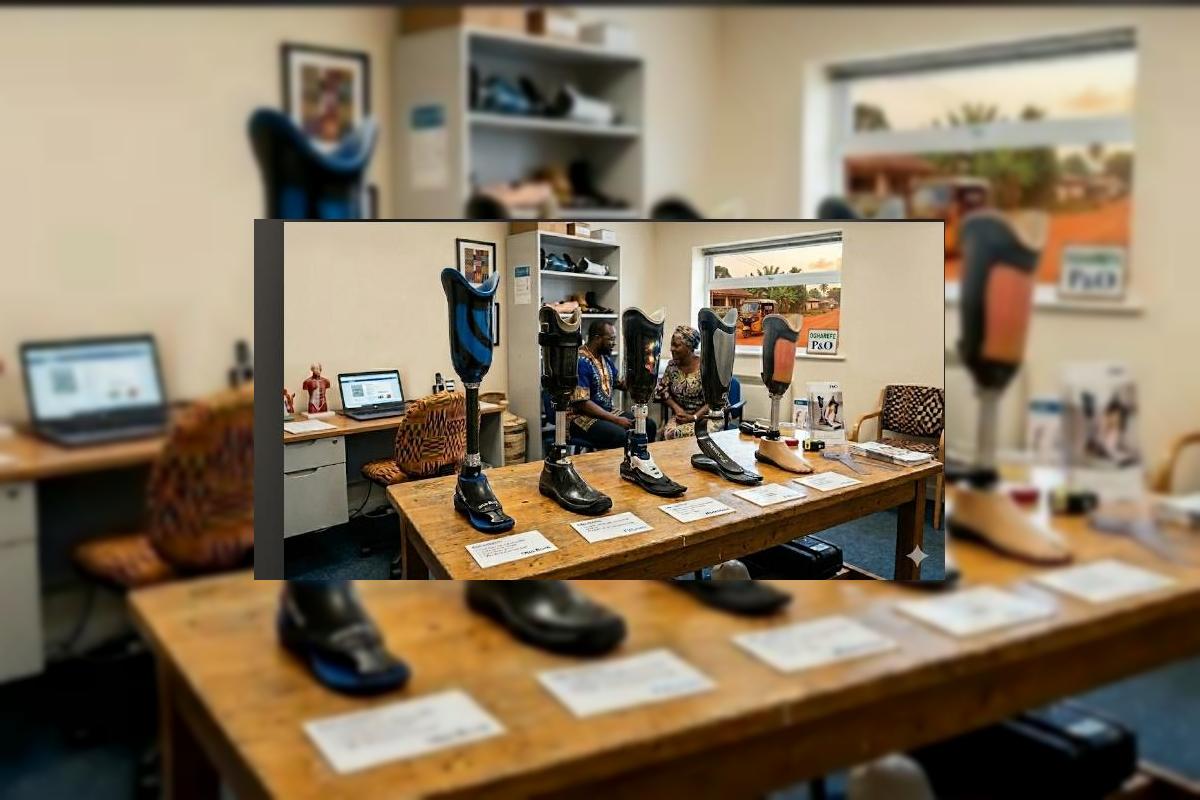
To help families visualize the investment, we break down the typical prosthetic assembly. Each of these parts must be sourced and fitted with clinical precision.
1 The Socket
The most critical component. It is custom-molded to the patient’s residual limb. A poorly made socket is the primary cause of pain and abandonment of the device.
2 Suspension System
This ensures the limb stays attached to the body. Whether it is a silicone liner, a sleeve, or a vacuum system, it is the primary interface for comfort.
3 The Structural Pylon
The "bone" of the prosthesis. It connects the socket to the foot and must be durable enough to handle Nigeria's uneven road conditions.
4 The Foot Unit
Ranges from basic solid-ankle cushion heel (SACH) feet to high-energy-returning carbon fiber feet. The choice depends on the patient's activity level and budget.
5 Cosmetic Cover
An optional foam finish to mimic the shape of a natural leg. While aesthetically pleasing, it can increase costs and reduce the breathability of the device.
The Strategic Investment: Short-term Cost vs. Long-term Freedom
The earthy tones of the OrthoNarra series reflect our commitment to practical, long-lasting solutions. Investing in a quality limb is an economic strategy, not a financial drain.
| The Low-Cost Trap | The Value-Driven Approach |
|---|---|
| Cheapest materials, zero follow-up. | High-grade materials with scheduled maintenance. |
| Socket fails, leading to skin ulcers. | Precision-fitted socket ensuring skin integrity. |
| Frequent replacement costs. | Long-term durability and component modularity. |
| Constant pain discourages use. | Comfort-focused design drives productivity. |
Transparency is the antidote to fear. When families understand the components, the clinical skill required, and the need for ongoing care, they can advocate for themselves and plan effectively. We urge every P&O clinic in Nigeria to provide an itemized quote to their patients. It is time to treat patients as partners in their own rehabilitation, not as passive bystanders in a transaction they don't understand.
A Call to Informed Mobility
To the families: Never pay for a limb without asking for a breakdown of the parts and the included follow-up care. To the practitioners: Transparency builds trust; provide itemized estimates and explain the lifecycle of every component you use. To the donors and NHIA: Subsidize the cost of these standardized, high-quality components to make mobility affordable for every citizen. The terracotta and green represent the land we cultivate—let's ensure we are cultivating strong, sustainable foundations for our fellow Nigerians. OrthoNarra will continue to demand transparency until every patient can walk into a clinic with the knowledge they deserve. Mobility is not just a device; it is a right.
Comments (0)
No comments yet. Be the first!
Please login to leave a comment
Login to Comment