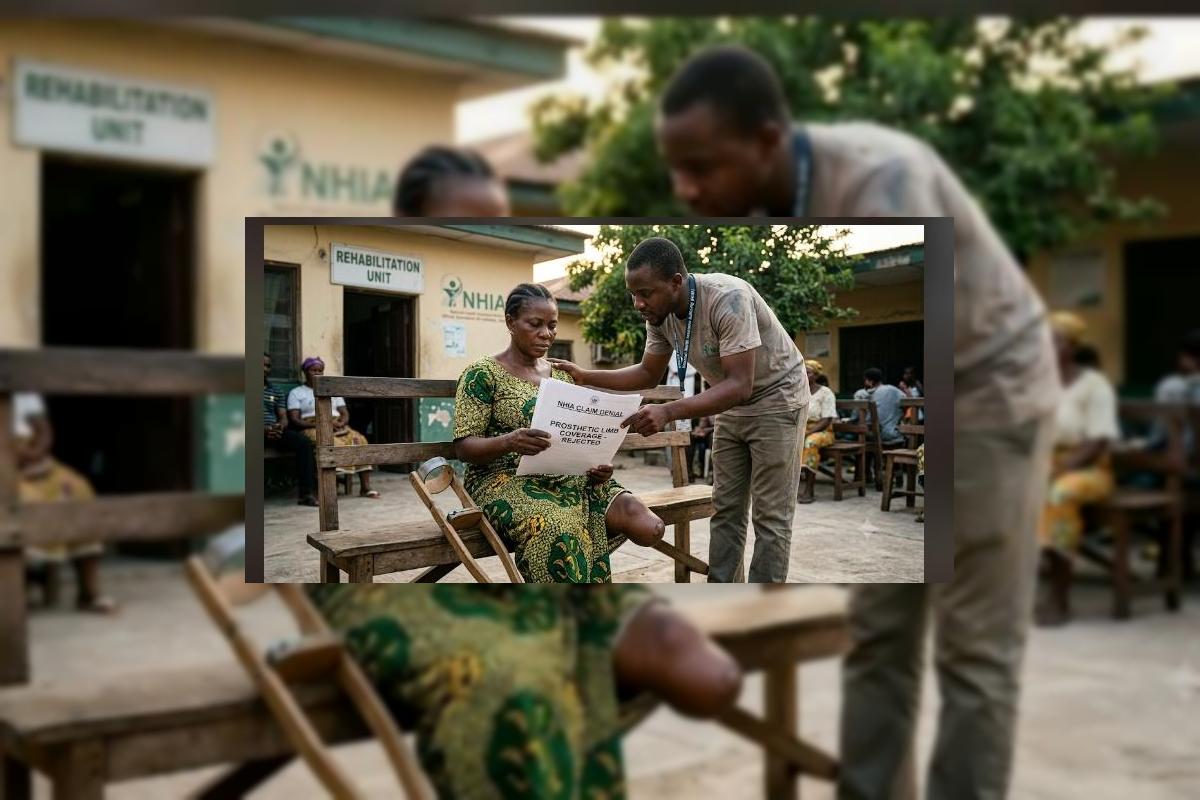

The National Health Insurance Authority (NHIA) is the gateway to wellness for millions of Nigerians—yet for those living with limb loss or structural orthopedic needs, that gateway remains firmly locked. We have reached a point where the absence of prosthetic and orthotic coverage in the national insurance framework is no longer just a policy gap; it is a profound failure of social protection.
"I paid my premiums for ten years. When I lost my leg in an accident, I thought the insurance I had dutifully funded would help me get back on my feet. Instead, I was told that the 'basic package' covers drugs and minor consultations, but not the very device I need to walk to work. I had to choose between feeding my family or buying a leg. I chose to feed them, and now, I haven't worked in eighteen months. — Emeka, Kano"
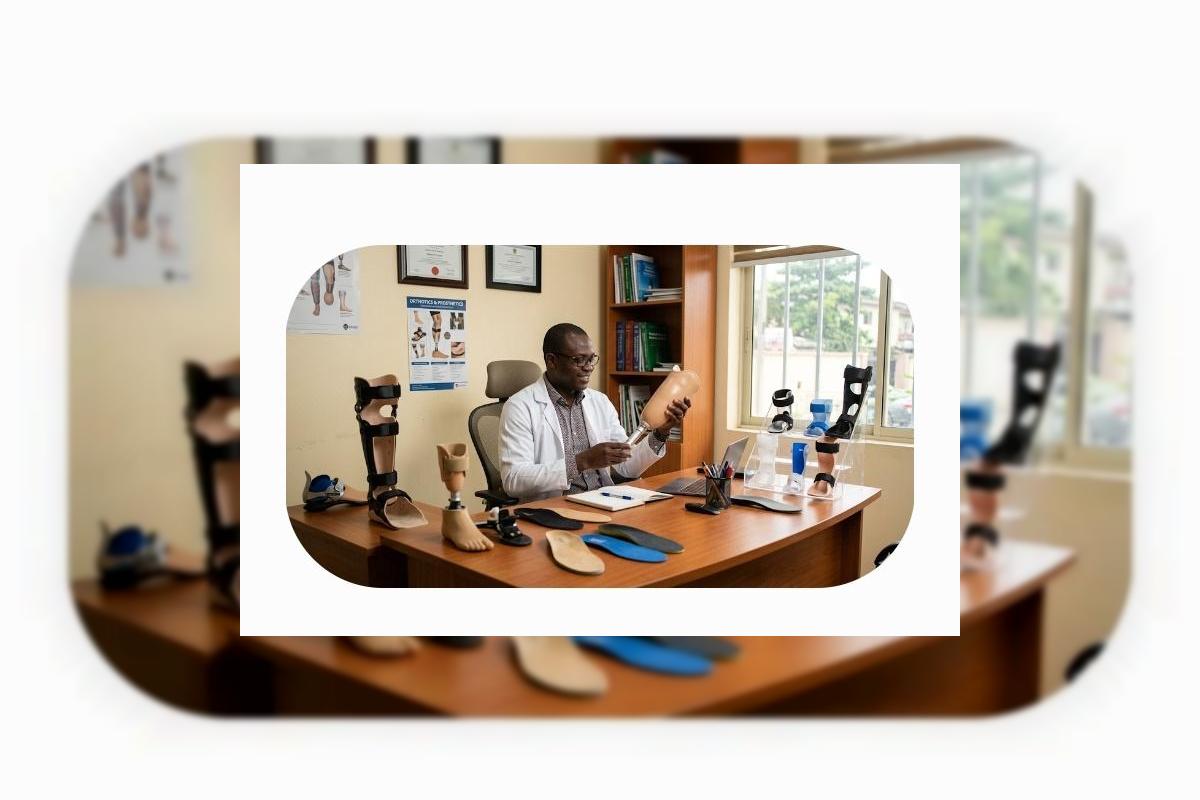
In the current landscape of the NHIA, prosthetic and orthotic (P&O) services are treated as elective, luxury accessories rather than life-saving, reconstructive medical necessities. This binary categorization—separating "medical treatment" from "rehabilitative technology"—is fundamentally flawed. For a patient with a transtibial amputation, a prosthesis is not a convenience; it is the physiological equivalent of a vital organ. By omitting high-quality, durable P&O devices from the NHIA benefit package, the system effectively condemns thousands of productive Nigerians to a permanent state of disability and economic dependency. We are prioritizing the temporary treatment of symptoms while ignoring the permanent restoration of function.
The Three Policy Barriers: Why the NHIA Package is Incomplete
To evolve our national health strategy, we must confront the three bureaucratic hurdles that prevent P&O services from becoming a standard component of covered care.
| The Barrier | The Resulting Gap | The Path Forward |
|---|---|---|
| Outdated Benefit Lists | Prosthetics are categorized as "non-essential medical appliances." | Reclassifying P&O as essential restorative medical services. |
| Provider Reimbursement | Hospitals lack clear, standardized pricing structures for claiming P&O devices. | Creating a transparent tariff schedule for accredited P&O devices. |
| Limited Network | Accredited P&O clinics are not sufficiently integrated into the primary NHIA provider list. | Expanding the NHIA network to include ISPO-standard P&O facilities. |
"Insurance is meant to mitigate the catastrophic financial risks of a health crisis. In Nigeria, the total cost of a prosthetic limb is a financial catastrophe for the average family, yet it is exactly the type of risk an insurance scheme is designed to absorb."
The Economics of Exclusion: Why Coverage Saves Money
The NHIA’s current reluctance to fund prosthetics is based on a short-sighted fiscal analysis that views the upfront cost of a device as a loss. This perspective ignores the "Cost of Inactivity." When a patient is denied a prosthesis, they remain unemployed, require ongoing physical therapy for secondary complications (such as back pain and joint degradation), and often rely on social assistance. Conversely, providing a durable prosthesis enables the patient to rejoin the workforce, contribute to the economy, and cease being a heavy user of high-cost, acute medical services. Covering prosthetics is not an expense—it is a high-return investment in national productivity.
The Five Pillars of an Integrated P&O Insurance Policy
For Nigeria to modernize its healthcare coverage, the NHIA must adopt an evidence-based approach to P&O integration:
1 Tiered Device Coverage
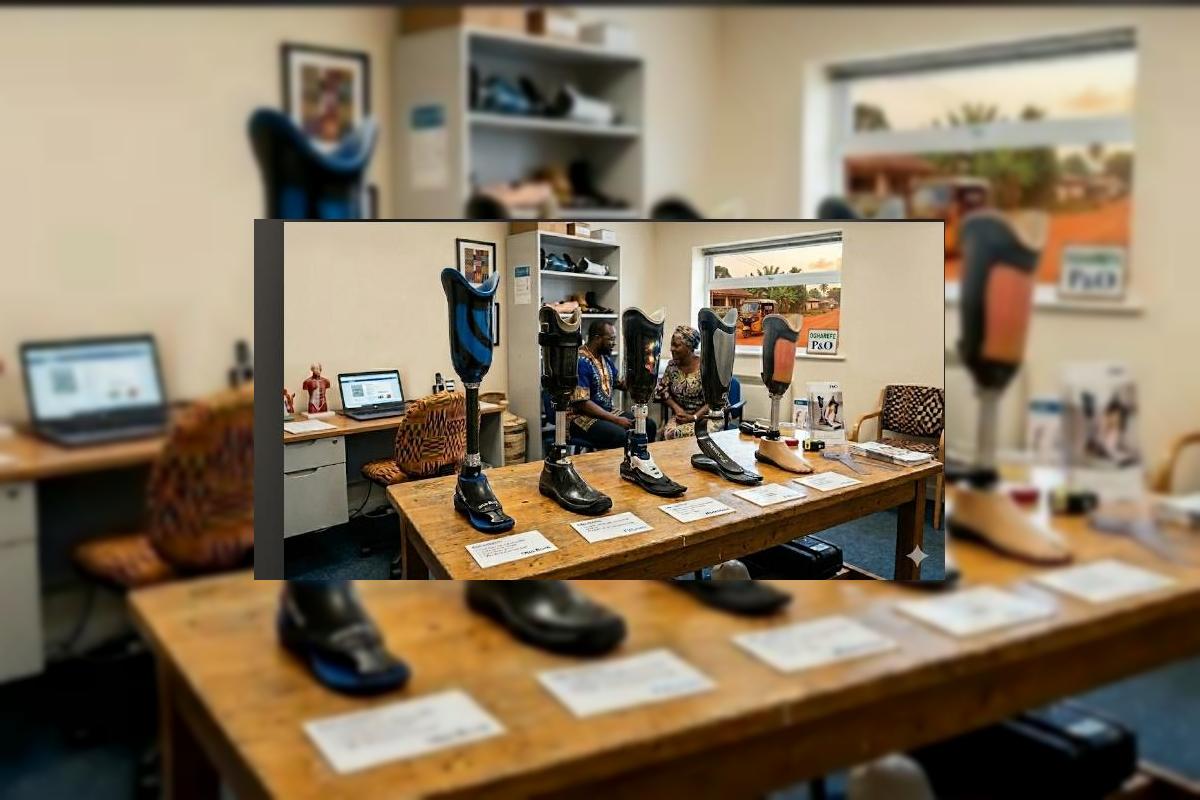
The NHIA should subsidize a range of functional, durable components, ensuring that basic mobility is a right for all, while offering pathways for higher-technology upgrades.
2 Maintenance and Replacement Cycle
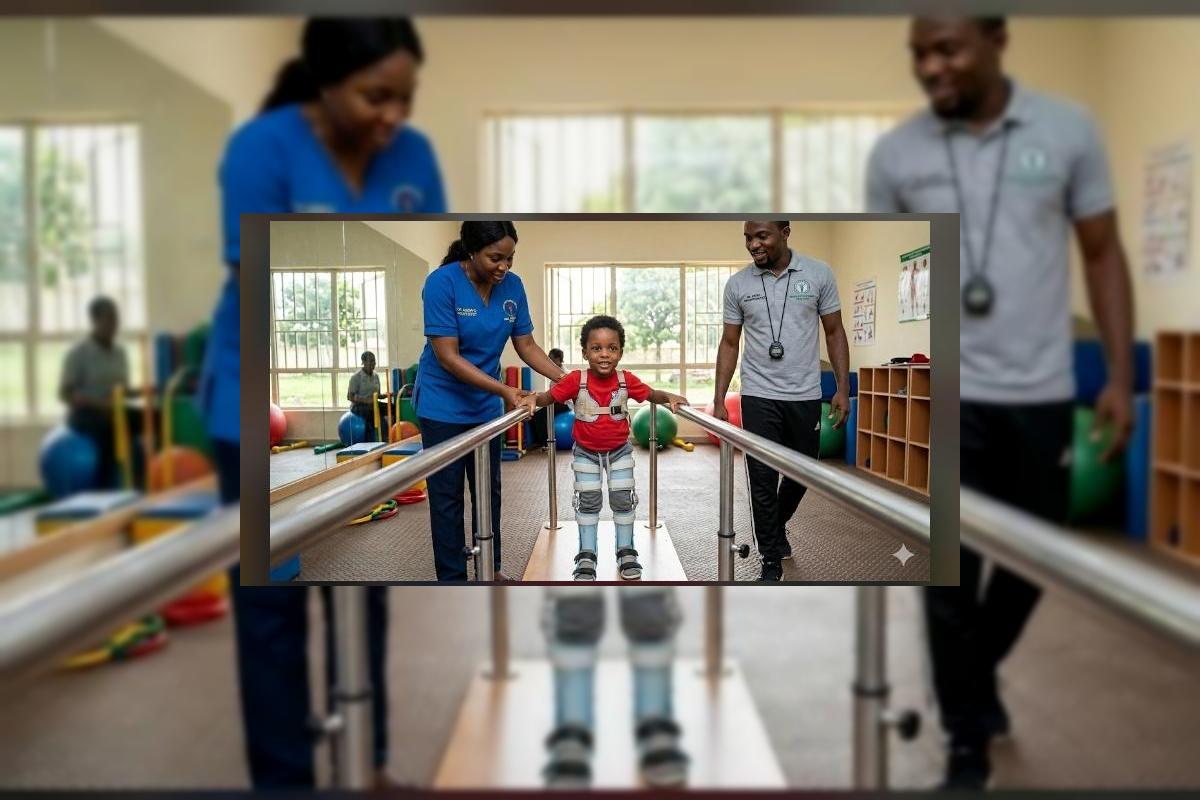
Prosthetics require servicing and sockets need replacement as children grow or stumps change. Coverage must extend to the lifespan of the device, not just the initial fitting.
3 Quality Assurance Standards
To prevent fraud, the NHIA must only reimburse P&O devices provided by licensed, ISPO-accredited practitioners, ensuring patient safety and device longevity.
4 Incentivized Local Manufacturing
By guaranteeing volume via insurance, the NHIA can incentivize local P&O manufacturing, lowering costs over time and creating a robust, domestic rehabilitative supply chain.
5 Direct Referral Pathways
The NHIA should treat a referral to a prosthetist with the same urgency as a referral to a cardiologist, reducing the current lag between injury and restorative fitting.
The Shift in Strategy: From Palliative to Restorative
The shift to deep forest green and terracotta in this tenth series signals our commitment to a future where healthcare is not just about keeping people alive, but about keeping them mobile and engaged. We are moving away from an NHIA model that manages chronic illness toward one that restores human capacity.
| The Current "Basic" Path (Neglect) | The Integrated Path (Future Policy) |
|---|---|
| Covering short-term pain medication. | Covering structural, long-term restorative devices. |
| Ignoring the economic loss of disability. | Investing in mobility to restore workforce participation. |
| P&O services excluded from insurance lists. | P&O services categorized as essential medical care. |
| High reliance on personal, unsustainable out-of-pocket spending. | Sustainable, pooled risk through NHIA coverage. |
The NHIA has the potential to be the most powerful engine for social and physical mobility in Nigeria. However, as long as it excludes the very devices that allow Nigerians to stand, walk, and work, it remains an incomplete promise. We must demand that our national healthcare policy reflects the reality that mobility is not a secondary desire; it is a prerequisite for a thriving life. It is time for the NHIA to close the gap between the premium paid and the potential restored.
A Call to Reform
To the policy architects at the NHIA: The data proves that restorative care is cost-effective; expand your benefit packages to include P&O services today. To the healthcare providers: Continue to advocate for the necessity of these devices in your official reporting; your clinical voices shape the policy. To the patients: You have a right to full inclusion in our national health strategy; keep sharing your stories so the system can no longer overlook your needs. The terracotta represents the ground we all stand on—let’s ensure everyone has the tools to stand upon it together. OrthoNarra will keep the lights on until the NHIA covers every Nigerian's right to move. Mobility is the foundation of our nation's progress.
Comments (0)
No comments yet. Be the first!
Please login to leave a comment
Login to Comment