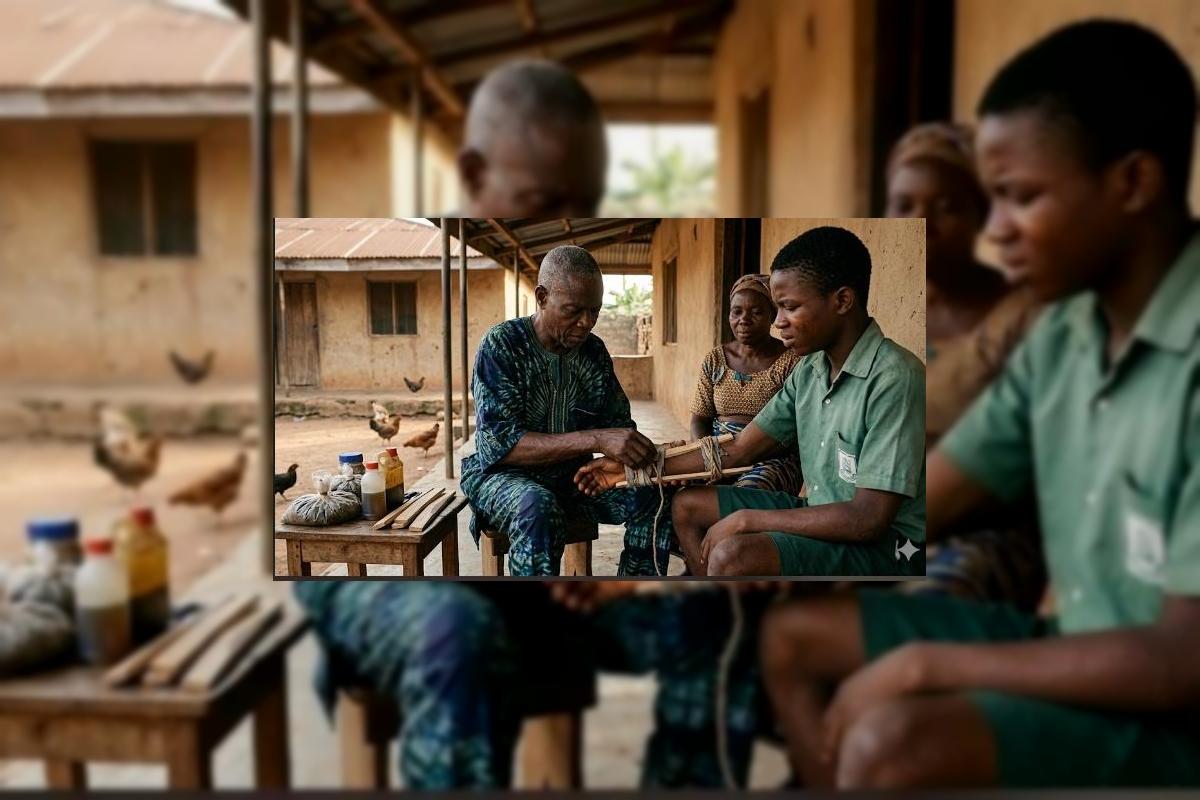

The reliance on traditional bone setters in Nigeria is not merely a cultural preference; it is a vascular and orthopedic tragedy that costs hundreds of citizens their limbs every year. For a patient with a fresh fracture, the clock is the most ruthless enemy.
"When my husband fell from the commercial bus in Lagos, his brothers refused the orthopedic hospital. They said the doctors would only chop off his leg, so they took him to a bone setter's compound in the village. They tied his leg tightly with bamboo and herbal pastes. By the fourth day, his toes were black, cold, and smelled like rotting meat. When we finally rushed to the Federal Medical Centre, the doctor wept. He told me, 'If you brought him on day one, a simple plaster cast would have saved him. Now, to save his life, we must amputate.' — Wife of an Amputee, Lagos"
In the landscape of orthopedic care in Nigeria, we find ourselves at a crossroads between ancient local myths and urgent surgical realities. Trauma and fracture patients are routinely guided away from modern clinics, victims of a culture that frequently interprets musculoskeletal injuries through the lens of spiritual warfare or fear of surgery. Yet, while family members debate the "best native home," the window for saving a limb from compartment syndrome complications is slamming shut. Timely presentation is not a suggestion; it is a physiological mandate. When patients patronize an unregulated traditional bone setter in Nigeria instead of an orthopedic surgeon, they aren't just delaying care—they are actively choking the blood supply to their muscles, guaranteeing preventable amputations in Nigeria.
The Three Fatal Pulls: Why Nigerians Choose the Bone Setter’s Trap
To change the narrative and reduce the grim numbers of amputation causes Nigeria records daily, we must dismantle the three illusions that keep victims trapped in native compounds. These are the systemic and psychological factors that drive patients away from certified healthcare facilities.
| The Illusion | The Reality on the Ground | The Systemic Correction |
|---|---|---|
| Fear of Surgery | Patients believe hospitals always cut limbs; bone setters promise to save them. | Public education proving that early hospital care preserves limbs. |
| Upfront Payments | Hospitals demand money for x-rays and surgery before treatment begins. | Emergency trauma care subsidies at all public hospitals. |
| Flexible Pricing | Bone setters accept gin, livestock, or flexible post-healing cash installments. | Universal health insurance covering basic orthopedic care in Nigeria. |
"A broken limb needs space to swell safely under a well-padded plaster slab. When a traditional healer binds that same limb with rigid bamboo splints, they create a pressurized chamber that cuts off arterial blood. Within eight hours, the muscle dies—and the limb is lost forever."
The Pathophysiology of Neglect: From Closed Fracture to Gangrene
Consider a typical scenario involving a motorcycle (*okada*) accident victim who sustains a closed tibia fracture. In the local compound, the healer wraps the leg in unyielding materials without an X-ray to see the bone alignment. This triggers acute compartment syndrome, a medical emergency where internal pressure cuts off oxygenated blood. The patient screams in agony, but the healer insists the pain is proof that the bones are "joining." By day five, the flesh undergoes irreversible ischemic necrosis (tissue death). The patient is finally dumped at a traditional bone setter in Nigeria alternative—the emergency room of an FMC—not for fracture care, but for life-saving amputation due to raging sepsis. This is the gruesome cycle of preventable amputations in Nigeria that we must break.
The Anatomy of Destruction: Five Milestones of Bone Setter's Gangrene
Bypassing orthodox trauma centers and choosing native splints yields five progressive, devastating outcomes that transform a simple fracture into a permanent disability. This is the dark timeline of untreated compartment syndrome:
1 Ischemic Choking
The tight bamboo bindings restrict blood flow. Capillaries collapse, and oxygen cannot reach the deep muscle tissues of the forearm or lower leg.
2 Nerve Death
Within hours of complete blood deprivation, deep tissue nerves begin to degenerate, causing the initial burning pain to give way to a deceptive, permanent numbness.
3 Muscle Necrosis & Liquefaction
The lack of circulation turns healthy muscle fiber into dead, decaying matter. The skin blisters, turns purple, and eventually sloughs off, exposing dead tendons beneath.
4 Systemic Sepsis
Toxins and bacteria from the rotting limb enter the general bloodstream, causing multi-organ failure, high fevers, and a critical drop in blood pressure.
5 Mandatory Amputation
The limb can no longer be salvaged by any surgical means. Amputation is performed immediately as a last-resort measure to keep the patient from dying within hours.
The Surgical Truth vs. The Cultural Stagnation
Our deep dive into the realities of amputation causes Nigeria records is a direct challenge to the status quo. We must replace outdated, dangerous traditions with evidence-based trauma medicine, steering our communities toward certified orthopedic surgeons who possess the diagnostic tools and clean theaters necessary to save lives and limbs.
| The Traditional Compound (Limb Loss) | The Orthopedic Hospital (Limb Salvage) |
|---|---|
| Blind manual manipulation without an X-ray. | Digital radiological imaging to map the break. |
| Tight, unyielding bamboo or rattan bindings. | Padded, breathable plaster casts or open splints. |
| Ignoring severe pain as part of the healing. | Immediate decompression if nerve supply is compromised. |
| Application of non-sterile herbs onto open wounds. | Surgical debridement and sterile infection control. |
The time for looking away has ended. Every day a trauma patient spends inside an unregulated healing compound is a day they risk a fatal infection or permanent limb loss. We are losing productive young citizens, breadwinners, and vibrant minds to the unyielding grip of superstitious practices and avoidable compartment syndrome complications. Orthopedic care in Nigeria advocacy must move from passive medical journals straight into the town halls, marketplaces, and motor parks of our country. We are not just criticizing a practice; we are safeguarding the hands and legs that build our nation.
A Call to the Nation
To the families: A broken bone is a structural medical emergency, not a spiritual problem; do not let fear of the hospital cost your relative their leg. To the community leaders: Protect your people by steering them away from tight traditional splints and toward certified trauma clinics. To the policymakers: Regulating traditional healers and criminalizing medical malpractice in informal centers is not an option—it is an absolute necessity to stop the surge of avoidable disabilities. The raw truth must be told. OrthoNarra will continue to expose these systemic traps until every Nigerian understands that timely orthodox care is the only path to true recovery. Mobility and bodily integrity are your fundamental rights.
Comments (0)
No comments yet. Be the first!
Please login to leave a comment
Login to Comment