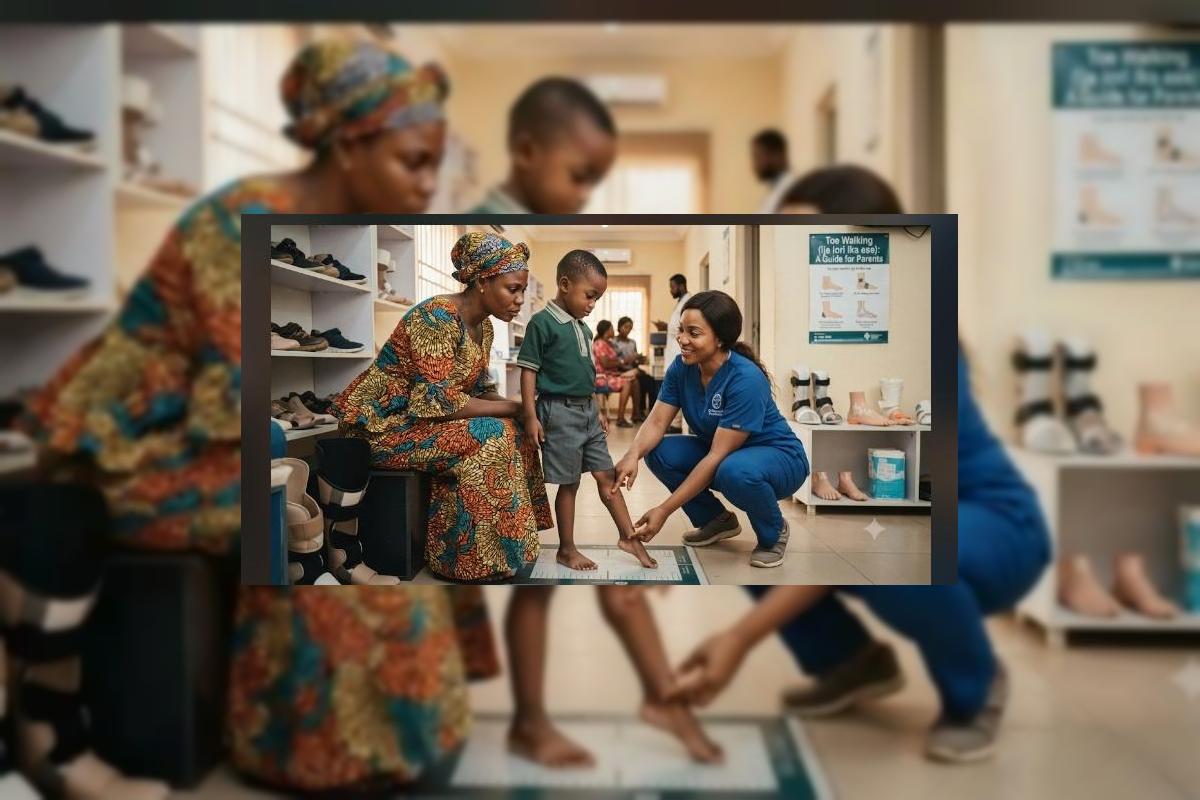

For many Nigerian parents, seeing a toddler skip or walk on their tiptoes is often dismissed as a "cute" phase or a sign of an energetic, playful child. While it is true that many children experiment with toe walking, persistent tip-toe walking is a clinical red flag that requires immediate attention. It is a sign that the body is communicating a underlying neurological or structural imbalance that we cannot afford to ignore.
"My daughter started walking on her toes when she was two. Everyone told me she would grow out of it and that she was just being 'dramatic.' I waited until she was five, and by then, her calf muscles had become so tight that she could no longer put her heels flat on the floor. What started as a 'cute' habit became a physical disability that needed surgery to correct. — Mother of Amara, Enugu"
In the realm of paediatric orthopaedics, toe walking—medically known as equinus gait—is a condition where a child walks on the ball of the foot with little or no contact between the heel and the ground. While some children do grow out of it, persistent toe walking after the age of three can signal issues ranging from simple sensory processing preferences to more complex neurological conditions like cerebral palsy or congenital muscle contractures. Dismissing it as a "phase" closes the window on non-invasive interventions, such as physical therapy, serial casting, and custom orthotic bracing, which are highly effective when applied early.
The Three Clinical Pathways: Understanding Why They Walk on Toes
To properly address toe walking, we must identify the root cause. Not all toe walking is the same, and the clinical approach varies significantly based on the diagnosis.
| Cause | Clinical Characteristic | The Orthotic Strategy |
|---|---|---|
| Idiopathic (Habitual) | The child can put their heel flat when asked, but chooses not to. | Physical therapy and sensory integration. |
| Neurological (e.g., CP) | The heel cannot touch the floor due to muscle spasticity. | AFOs (Ankle-Foot Orthoses) to stretch the tendon. |
| Structural (Congenital) | Shortened Achilles tendon from birth. | Serial casting to lengthen the muscle tissue. |
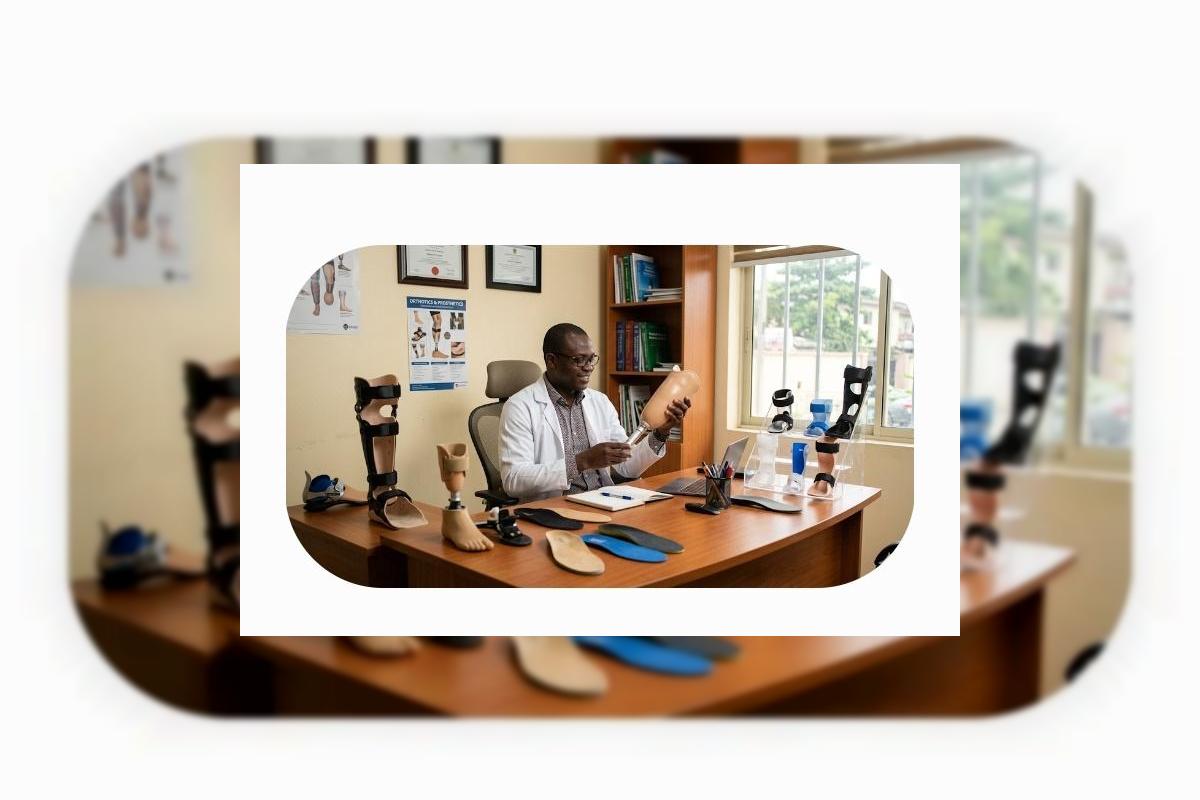
"An orthotist does not see 'naughtiness' when a child walks on their toes; we see a mechanical system that is being pulled out of alignment. If that heel stays off the ground for too long, the soft tissue of the calf will permanently shorten, making 'normal' walking physically impossible without intervention."
The Mechanics of Intervention: Why We Brace
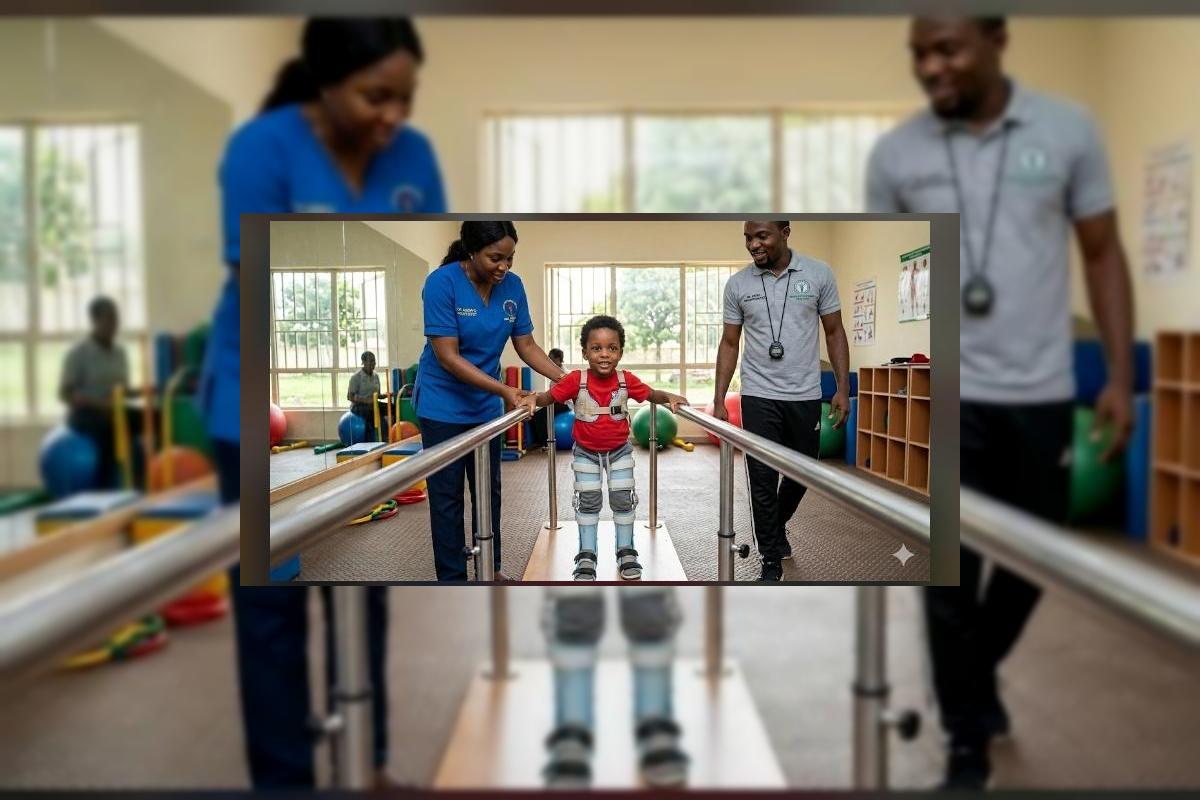
When toe walking is persistent, the goal of orthotic intervention is to provide a "stretch" that the child’s muscles cannot achieve on their own. An Ankle-Foot Orthosis (AFO) acts as a physical guide, gently holding the foot in a neutral, heel-down position. This not only encourages the lengthening of the calf muscles but also provides the sensory feedback the child’s brain needs to understand how to walk with a heel-to-toe gait. By providing this stability early, we can often avoid the need for invasive surgical procedures to lengthen the Achilles tendon later in childhood.
The Five Red Flags for Nigerian Parents
If your child is walking on their toes, observe them for these five markers that indicate you need to see a specialist:
1 Consistent Gait
If they walk on their toes more than 50% of the time, this is not a random habit—it is a consistent gait pattern.
2 Inability to 'Flatten'
Ask your child to stand flat-footed. If they struggle or find it painful, their muscles have already begun to contract and shorten.
3 Clumsiness and Falls
Toe walking affects balance. If your child trips or falls more often than their peers, their toe walking is likely hindering their motor development.
4 Asymmetrical Walking
If they only toe-walk on one side, this is a major indicator of a potential neurological issue that requires urgent investigation.
5 Regression
If they used to walk flat-footed and suddenly started walking on their toes, this is a clear sign of a change in their musculoskeletal or neurological health.
The Shift: From Dismissal to Proactive Care
The deep forest green and terracotta palette reflects our commitment to addressing the hidden structural issues of our nation’s children. We are ending the era of dismissing toe walking as a "cute phase" and moving toward a culture of early detection and orthotic support.
| The "Wait-and-See" Path (Neglect) | The Orthotic Path (Success) |
|---|---|
| Dismissing the habit as "naughtiness." | Screening by a paediatric specialist. |
| Allowing permanent calf muscle shortening. | Using orthotics to stretch and train the gait. |
| Surgery required in older childhood. | Non-invasive correction in early years. |
| Reduced balance and coordination. | Improved physical mobility and confidence. |
Toe walking is a signal. It is a sign that a child’s mechanical foundation needs attention. We urge every parent in Nigeria to look at their child’s feet—not just at the shoes they wear, but at the way they touch the ground. If you see persistent tiptoeing, don't wait for them to "grow out of it." Schedule an assessment with a paediatric orthotist. The earlier we intervene, the more freedom we give them to walk, run, and explore the world firmly on their heels.
A Call for Proactive Observation
To the parents: Observe, document, and seek help—your intuition about your child’s gait is your best tool. To the healthcare providers: Include gait analysis in every paediatric checkup; catching toe walking early saves a child from years of potential disability. To the educators: Report persistent toe walking to parents; early detection in the classroom can change a child's life trajectory. OrthoNarra will keep the conversation focused on clinical reality until every Nigerian child has the support they need to walk flat-footed and confident. Mobility is the bedrock of their future.
Comments (0)
No comments yet. Be the first!
Please login to leave a comment
Login to Comment