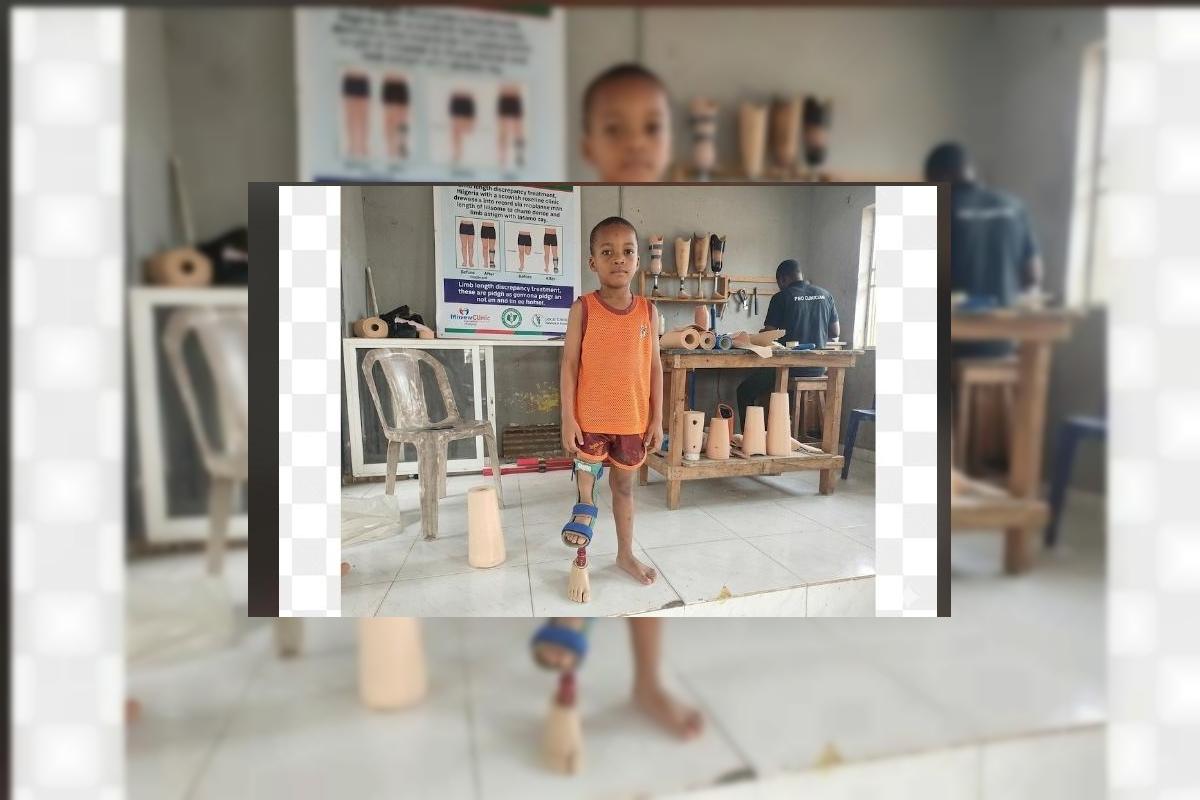

The silence surrounding congenital limb deficiency in Nigeria is not merely a social oversight; it is a neurological and developmental tragedy. For a child born with a limb difference, the calendar is the most formidable adversary.
"In my neighborhood in Lagos, they called me 'the mother of the half-child.' They told me it was a curse from my ancestors. But then Tunde got his 'strong leg.' Now, at four years old, he doesn't see a curse; he sees a tool that lets him run to the shop and play football with his friends. He told me, 'Mummy, my strong leg is ready for the field.' It wasn't prayer that fixed his gait—it was a socket and a pylon. — Mother of Tunde, Lagos"
In the landscape of paediatric prosthetics in Nigeria, we find ourselves at a crossroads between ancient stigmas and modern neurobiology. Children with limb differences are often hidden away, victims of a culture that frequently interprets congenital limb deficiency through the lens of spiritual retribution. Yet, while the community debates the "cause," the window for transtibial prosthesis integration is slamming shut. Early intervention is not a recommendation; it is a physiological mandate. When we fail to provide child prosthetics in Nigeria before a child’s first steps, we aren't just denying them mobility—we are denying their brain the opportunity to map balance and gait as a natural part of their physical identity.
The Three Barrier Cards: Why Nigeria’s Children are Left Behind
To change the narrative for children like Tunde, we must dismantle the three pillars of exclusion that keep limb difference Nigeria statistics in the dark. These are the discrete truths that define the struggle for every family navigating the Nigerian healthcare system.
| Barrier | The Impact on the Child | The Necessary Shift |
|---|---|---|
| Community Stigma | Social isolation and the "hidden child" syndrome. | Evolving the narrative from 'deformity' to 'difference.' |
| No Referral Pathway | Families wander between churches and herbalists. | Mandatory P&O screening at all neonatal clinics. |
| Cost & Geography | Quality care is locked behind 'Lagos prices.' | Subsidized paediatric prosthetics in all six zones. |
"A child fitted before their first birthday integrates a prosthesis into their developing motor cortex as naturally as a limb they were born with. The only variable is time — and time is what Nigerian families are running out of while waiting for information that never arrives."
Tunde’s Story: The "Strong Leg" Protocol
Tunde was born in a small suburb of Lagos with a transtibial (below-knee) limb deficiency. For three years, his family was told to "wait until he is grown" to seek help, forcing him to crawl or hop while his peers began to run. This is the deadliest advice in paediatric prosthetics. By the time he reached our clinic, his spine had begun to curve from compensatory hopping. However, through a dedicated limb difference Nigeria program, Tunde was fitted with a terracotta-colored, ruggedized below-knee device. He didn't call it a "fake leg"; he named it his "strong leg." Today, Tunde is a testament to what happens when we prioritize congenital limb deficiency care: he is playing football, his spine is realigning, and his confidence is unshakable.
What Changes Everything: The Action Strip
Early referral and the provision of transtibial prosthesis yield five concrete outcomes that transform a "patient" into a "thriving citizen." This is the dark green line of progress we must follow:
1 Cortex Integration
The brain’s map for balance is finalized early. Fitting a device during the "cruising" stage ensures the child "owns" the prosthesis neurologically, leading to a natural gait.
2 Skeletal Alignment
For below-knee differences, early prosthetic use prevents pelvic tilt, hip dysplasia, and scoliosis that occurs when a child spends years hopping on one side.
3 School Inclusion & Socio-Emotional Health
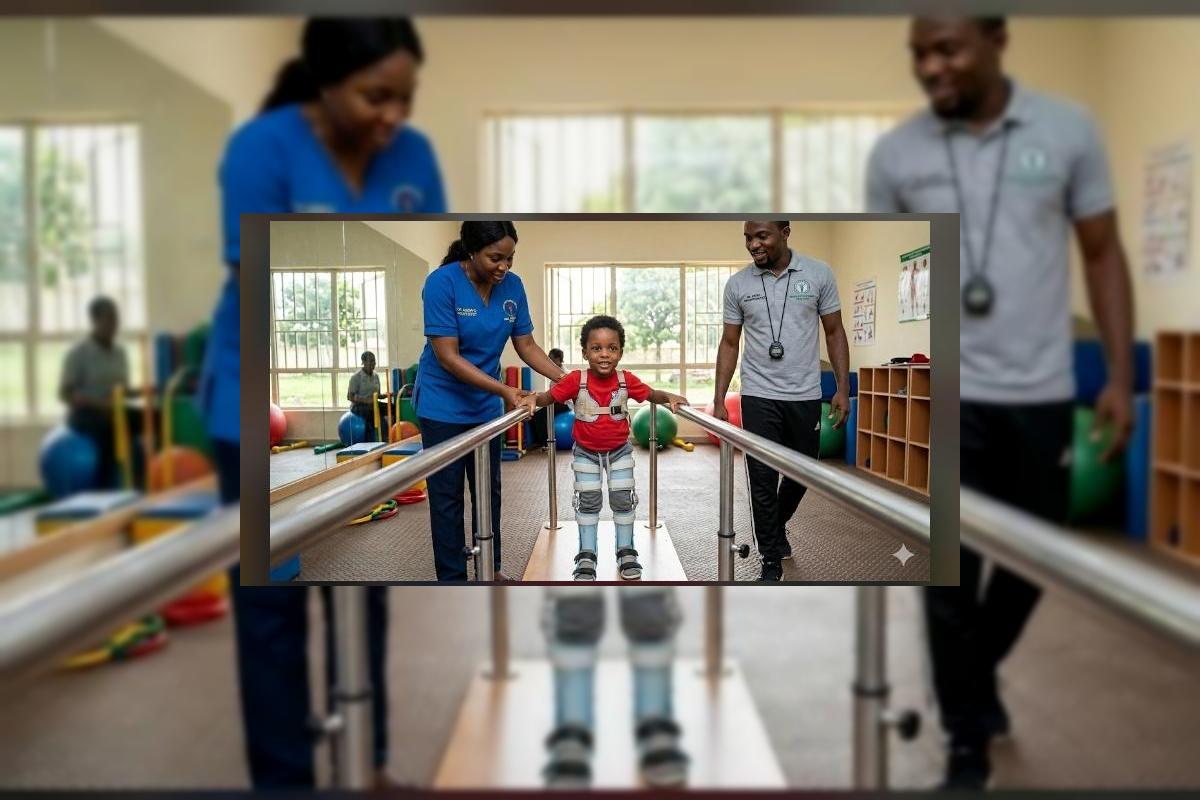
A child who can walk into a classroom standing tall is significantly more likely to stay in school. The prosthesis acts as a bridge to social participation and physical play.
4 Proprioceptive Awareness
Early fitting promotes weight-bearing on the residual limb, which stimulates bone growth and keeps the knee joint healthy and active.
5 Economic Future
Investing in a paediatric prosthesis today prevents a lifetime of physical therapy and dependency tomorrow. It is an investment in the Nigerian workforce of 2045.
The Biological Imperative vs. The Cultural Stagnation
The shift to deep forest green and terracotta in Series 10 is a visual commitment to growth and the earth. We are moving away from the cold neglect of the past toward a future where every child with a transtibial limb difference is seen as a seed capable of standing firm, provided the soil of our healthcare system is nutrient-rich.
| The Old Path (Neglect) | The New Path (Intervention) |
|---|---|
| "Wait until they stop growing." | First fitting between 9–12 months. |
| Child is carried everywhere; loses muscle. | Active cruising and independent walking. |
| Praying for "miraculous growth." | Faith-based support for medical technology. |
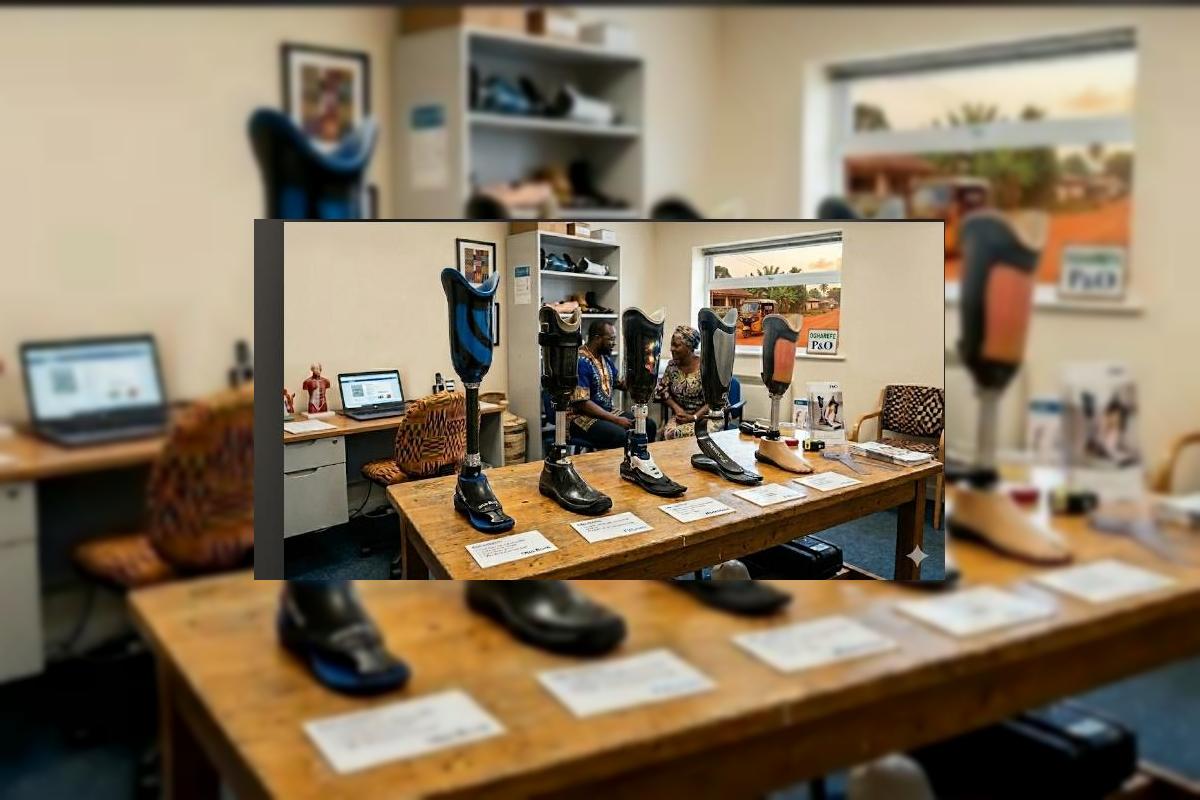
| Heavy, poorly fitted adult limbs. | Lightweight, adjustable paediatric prosthetics. |
The time for debate has ended. Every day a child spends without a necessary device is a day their body compensates in ways that lead to permanent deformity. We are losing a generation of talent to the "waiting room" of Nigerian bureaucracy. Limb difference Nigeria advocacy must move from the fringes of charity to the center of national health policy. We are not just building legs; we are building the foundation upon which Nigeria stands.
A Call to the Nation
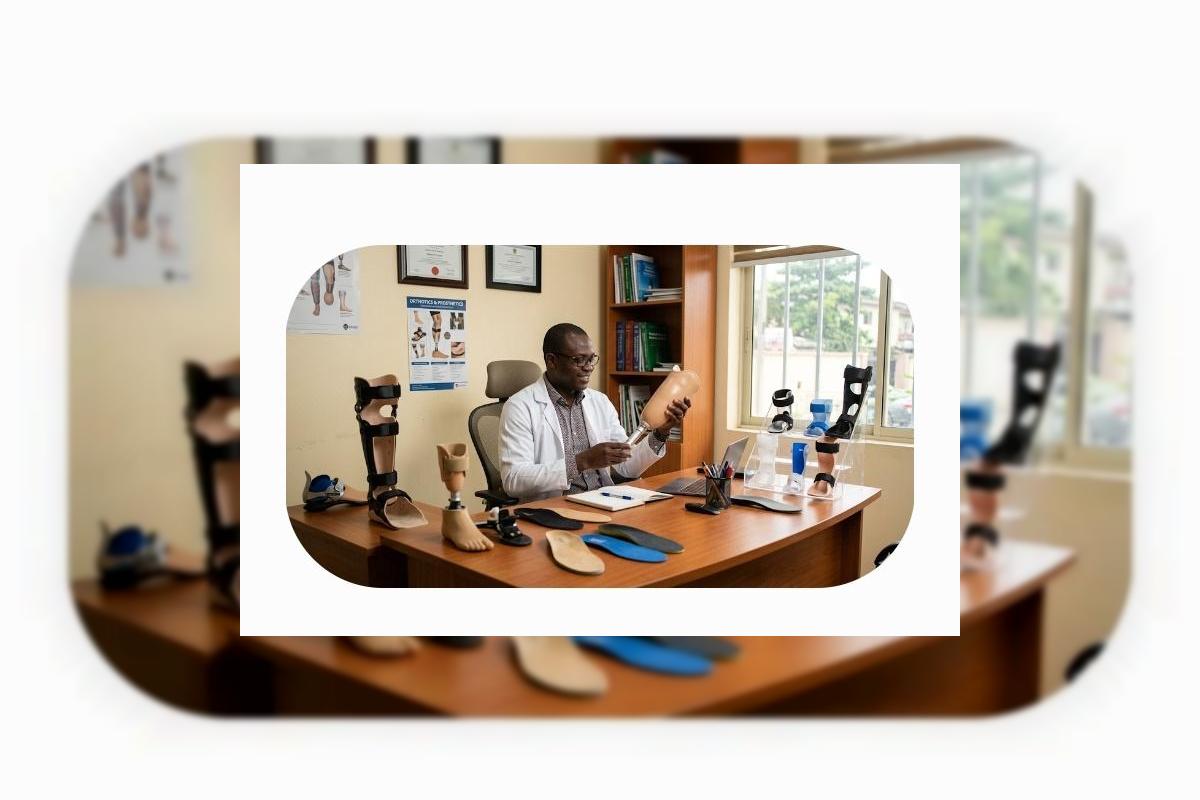
To the parents: Your child is whole, and their potential is limitless; do not let the whispers of the uninformed delay their first steps. To the clinicians: Early intervention is the only clinical standard; refer as soon as the child begins to sit up. To the policymakers: Subsidizing child prosthetics in Nigeria is not a drain on resources—it is a hedge against future disability. The terracotta represents our earth, our children, and our resilience. OrthoNarra will continue to tell these stories until every "strong leg" in Nigeria is moving toward a brighter future. Mobility is a birthright, especially for our smallest citizens.
Comments (0)
No comments yet. Be the first!
Please login to leave a comment
Login to Comment