
The silence surrounding cerebral palsy (CP) in northern Nigeria is not merely a social oversight; it is a neurological and developmental tragedy. For a child living with the effects of birth asphyxia, neonatal jaundice, or prematurity, the calendar is the most formidable adversary. Across the North—from the bustling clinics of Kano to the quiet rural health posts of Borno and Sokoto—too many families are told to wait, to pray, and to accept what they believe cannot be changed. But this is a dangerous myth. The window for effective intervention is not a matter of years; it is a matter of months, and for thousands of children, that window is closing.
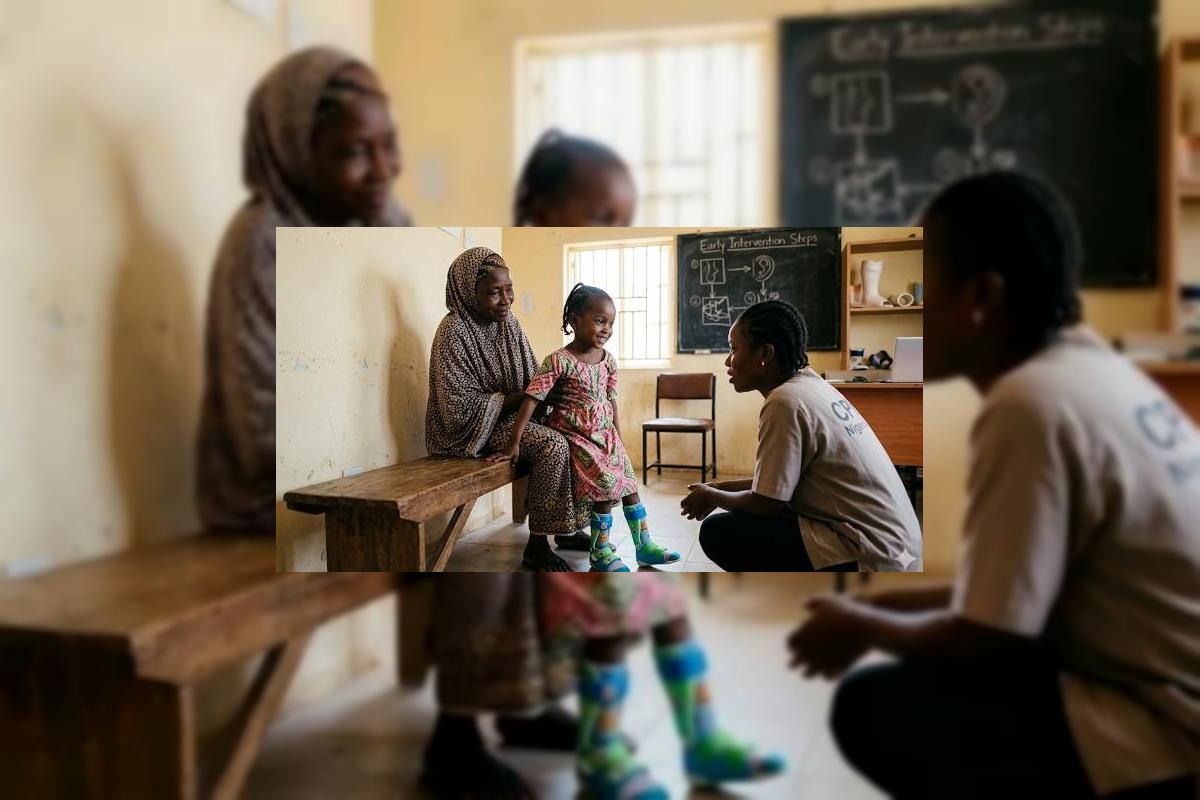
"They told me my daughter had the 'shaking sickness.' The village elder said it was because I looked at a fire during pregnancy. For two years, I took her to every prayer house in Kano. When I finally found a hospital, the doctor said: 'She has cerebral palsy. She needed orthotics two years ago.' I did not even know what that word meant. Today, she has her AFOs—her 'walking shoes'—and she is no longer hidden. She is standing." — Hajiya Maryam, mother of a child with spastic CP, Kano State
In the landscape of paediatric orthotics in northern Nigeria, we find ourselves at a crossroads between deep-seated cultural stigma and the urgent requirements of modern neurobiology. Children with cerebral palsy are often kept from public view, victims of a societal narrative that misinterprets motor delays as spiritual trials. Yet, while the community seeks answers in tradition, the biological reality remains: the brain of a child with CP is not "getting worse," but their musculoskeletal system is. Without orthotic intervention in Nigeria, such as early bracing, minor stiffness evolves into permanent, painful contractures and joint deformities. Early intervention is not a luxury; it is a physiological necessity for long-term mobility.
The Three Barriers: Why Northern Nigeria’s Children are Left Behind
To change the future for children in the North, we must dismantle the barriers that keep cerebral palsy Nigeria statistics hidden in the dark. These are the structural truths that define the daily struggle for families attempting to navigate the system.
| Barrier | The Impact on the Child | The Necessary Shift |
|---|---|---|
| Geographic Distance | Multi-day travel to tertiary centers. | Decentralizing P&O to local government areas. |
| Language Barriers | Critical care instructions are lost in translation. | Hausa-language patient education materials. |
| Social Concealment | Delay in seeking medical diagnosis. | Community-led awareness of CP as a medical condition. |
"A child fitted with an AFO (Ankle-Foot Orthosis) before their second year integrates the device into their motor planning as naturally as their own skin. The only variable is time—and time is what northern Nigerian families are running out of while waiting for a referral that never comes."
Fatima’s Story: The "Walking Shoes" Protocol
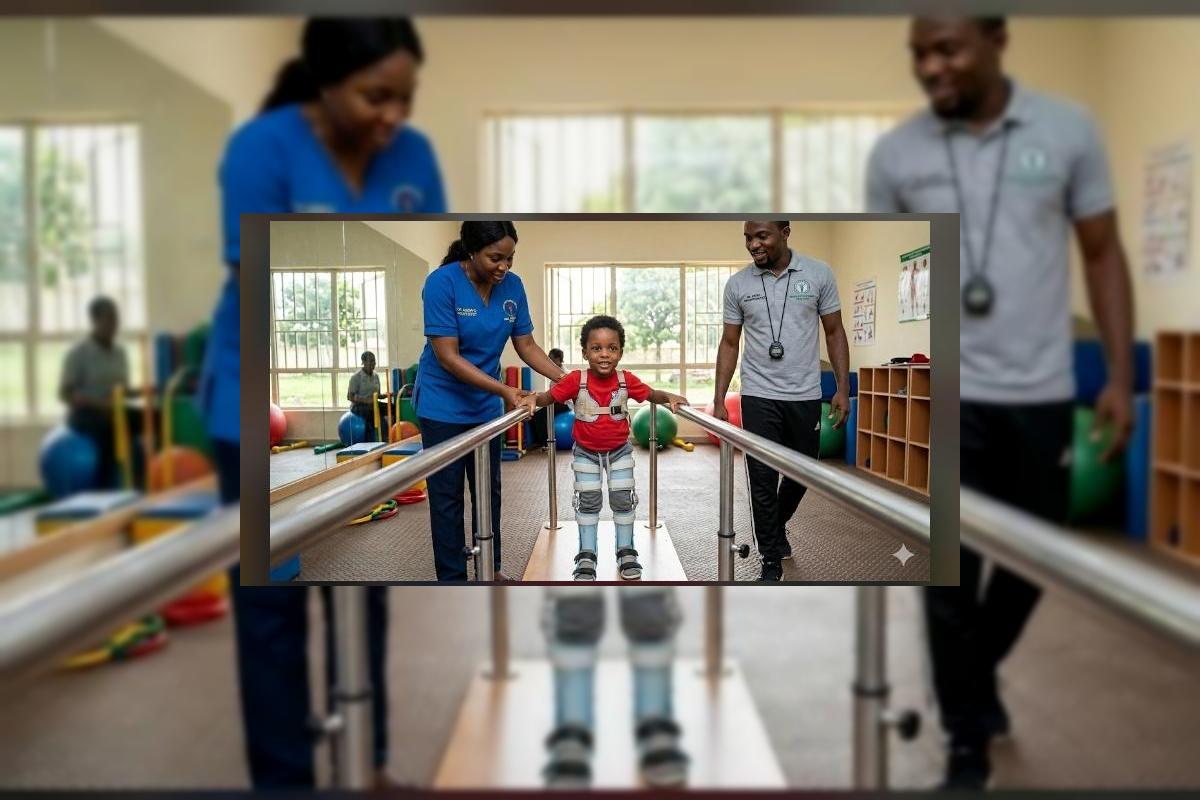
Fatima was born after a complicated labour in a rural centre, showing signs of birth asphyxia. By eighteen months, her legs were rigid, and she struggled to sit. Her mother was told by neighbours to ignore the symptoms, but a local health worker, trained in disability awareness, guided them to a teaching hospital. Fatima was fitted with bilateral AFOs. She didn’t see them as medical braces; she called them her "walking shoes." By engaging in a consistent stretching routine taught to her mother, Fatima gained the stability to walk independently. She is now preparing for primary school—a reality that would have been impossible without early paediatric orthotic support.
What Changes Everything: The Action Strip
Early referral and the consistent use of orthotics yield five outcomes that transform a child's life. This is the path to progress:
1. Preventing Contractures
AFOs hold muscles in a functional position, preventing the permanent shortening of tendons that leads to fixed, tiptoe-walking deformities.
2. Skeletal Alignment
Proper bracing prevents the hip displacement and spinal curvature often associated with unmanaged quadriplegic cerebral palsy.
3. Promoting Independence
A child who can stand or walk with support gains access to social play and classroom participation, which are critical for emotional development.
4. Bone Density Maintenance
For non-ambulatory children, standing frames and KAFOs allow weight-bearing, which is essential for maintaining bone strength and digestion.
5. Building Community Capacity
Investing in local P&O units in northern Nigeria creates a sustainable system where specialists can train caregivers in home-based therapy.
The Biological Imperative vs. The Cultural Stagnation
We must move away from the "wait and see" approach. The following table highlights the difference between outdated beliefs and the clinical reality needed for our children.
| The Old Path (Neglect) | The New Path (Intervention) |
|---|---|
| "Wait until they are older." | Assessment at first sign of delay. |
| Avoidance of medical hospitals. | Integrated faith-based and medical support. |
| Accepting fixed deformities. | Consistent AFO/KAFO use. |
A Call to the Nation
To the parents: Your child is whole, and their potential is immense; do not let the whispers of the uninformed delay their first steps. To the clinicians: Early referral to P&O services is the only clinical standard; refer as soon as cerebral palsy is suspected. To the policymakers: Subsidizing orthotic care in northern Nigeria is not a drain on resources—it is a foundation for our future workforce. Mobility is a birthright, especially for our smallest citizens. Let us ensure every child in the North has the tools they need to stand, to play, and to thrive.
Topics: #CerebralPalsyNigeria #NorthernNigeriaHealth #PaediatricOrthotics #AFO #CPAwareness #DisabilityAdvocacy #ChildHealthNigeria
Comments (0)
No comments yet. Be the first!
Please login to leave a comment
Login to Comment