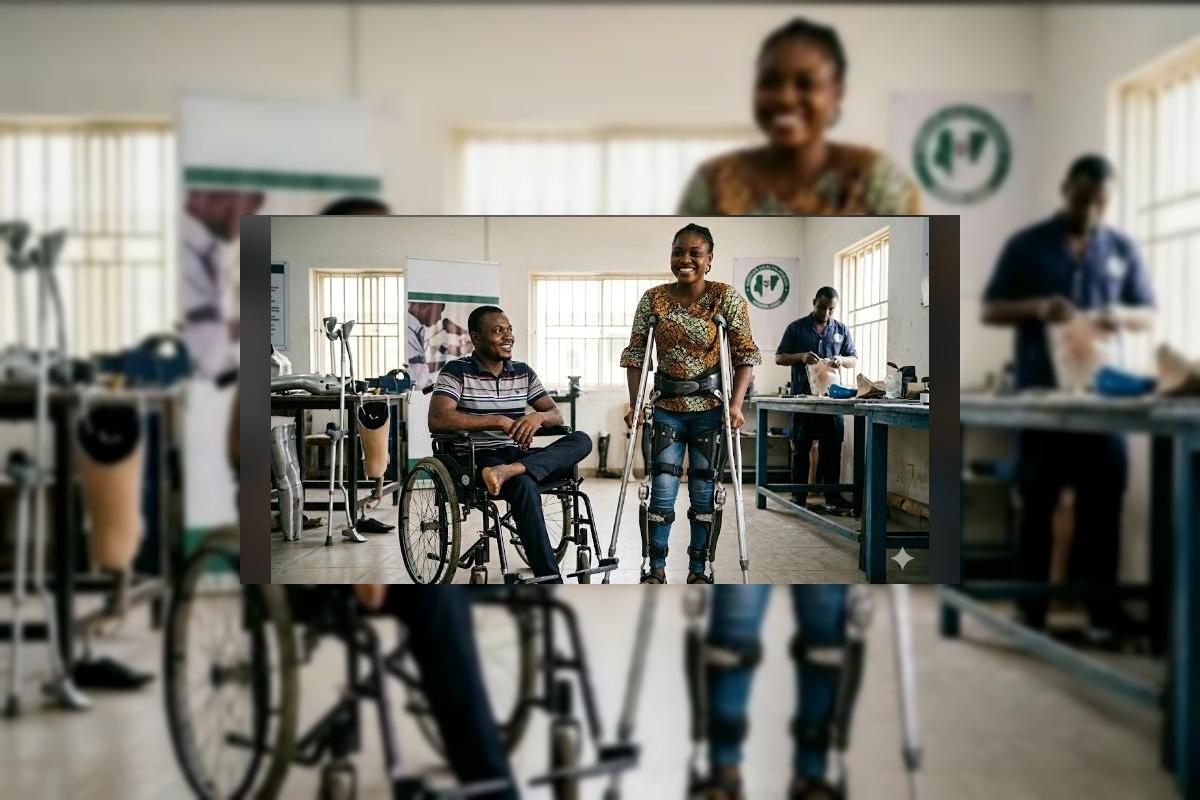

In 2020, Nigeria was officially certified as free of wild poliovirus. It was a historic victory for public health, celebrated with media fanfare and international accolades. But for hundreds of thousands of polio survivors across the country, the fight never ended. The virus may be gone from Nigerian soil, but its long-term physical consequences live on in an entire generation that is still waiting for basic orthotic care.
"I contracted polio in 1984 when I was just three years old. For forty years, my caliper has been my second skeleton. But the iron is rusted, the leather straps are torn, and it weighs over four kilograms. My good leg is failing from carrying this weight, yet the hospital told me they don't have materials to make a modern plastic brace." — Polio Survivor, 45 years old · Kaduna, Kaduna State
Polio has shaped the landscape of disability in Nigeria more than almost any other condition. While mass immunization campaigns successfully stopped the transmission of the virus, a vast demographic of adults who survived the epidemics of the 1970s, 1980s, and 1990s have been entirely left behind in the post-eradication era. These survivors, now in their adulthood and middle age, face progressive muscle weakness, joint deterioration, and severe structural imbalances. The critical medical intervention they require to maintain their mobility and independence is a custom-fabricated orthotic device, most notably a Knee-Ankle-Foot Orthosis (KAFO), traditionally referred to locally as a "caliper." However, systemic neglect, skyrocketing healthcare costs, and archaic manufacturing techniques in Nigerian rehabilitation facilities have left thousands of survivors stranded, moving with extreme difficulty or forced into early, preventable wheelchair dependency.
The Reality of Post-Polio Syndrome (PPS)
For decades, public health messaging treated polio as a static childhood disease: once a child survived the initial viral attack and acute paralysis, the damage was thought to be fixed. Modern prosthetic and orthotic clinical science now recognizes this as a dangerous misconception. Polio survivors are highly susceptible to Post-Polio Syndrome (PPS), a neurological condition characterized by new, progressive muscle weakness, profound fatigue, muscle atrophy, and intense joint pain that manifests fifteen to forty years after the initial infection. In Nigeria, where adult polio survivors must navigate an environment completely hostile to physical disability — featuring unpaved roads, high-clearance public commercial buses, and multi-story public buildings without ramps or elevators — the physical toll is accelerated. Muscles that overcompensated for decades are burning out. When a survivor’s mobility deteriorates due to PPS, Nigerian healthcare providers frequently misdiagnose the symptoms as normal aging, rheumatism, or arthritis, failing to realize that the patient's existing orthotic support system is no longer clinically adequate for their changing biomechanical needs.
"The eradication of the virus was only half the battle. Celebrating a polio-free Nigeria while ignoring the thousands of adult survivors who are losing their mobility due to broken, obsolete, and heavy iron calipers is a profound failure of our healthcare continuum."
The "Caliper" Crisis: Stuck in an Era of Heavy Iron
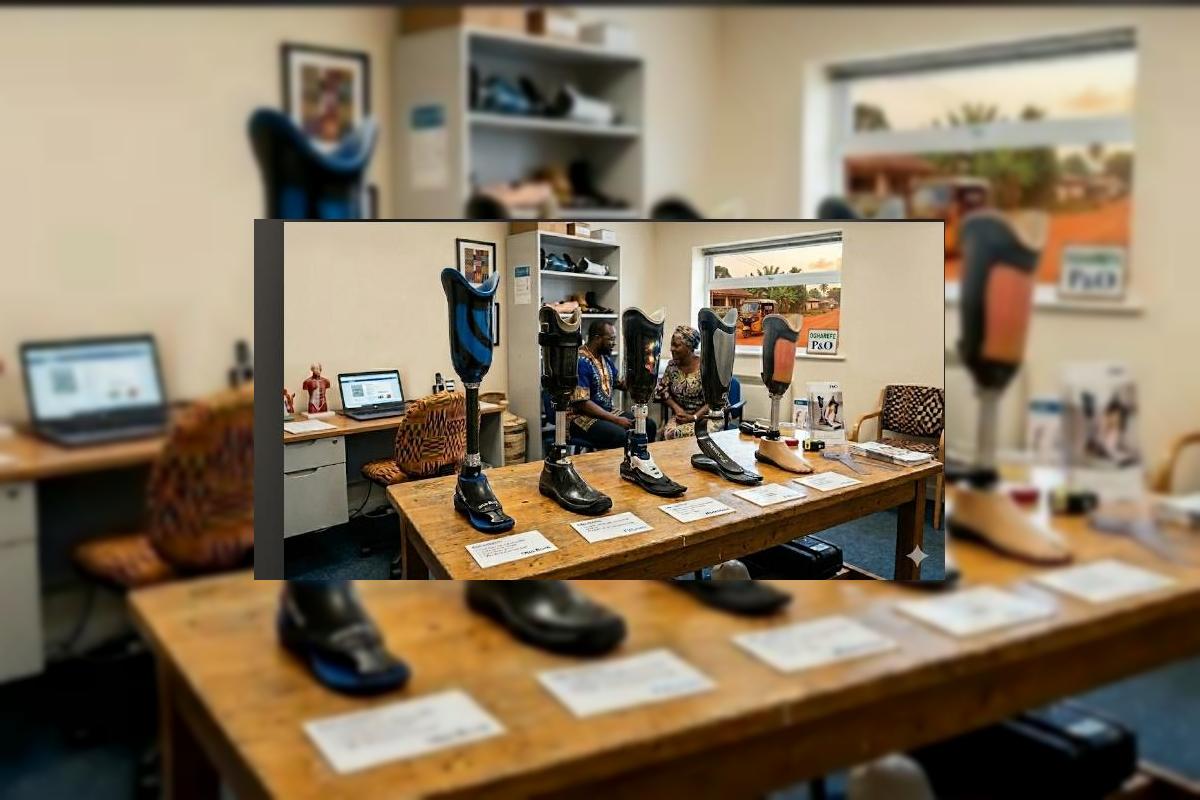
The standard orthotic prescription for polio survivors with lower limb paralysis is a Knee-Ankle-Foot Orthosis (KAFO). In major Nigerian teaching hospitals and Federal Medical Centres (FMCs), the prevailing method for fabricating these devices relies heavily on traditional metal-and-leather designs. These traditional "calipers" consist of thick steel parallel bars, heavy exterior drop-locks at the knee joint, and bulky leather cuffs, all riveted directly onto a heavy, rigid orthopedic leather boot. While structurally durable, these devices are incredibly heavy, often weighing between three and five kilograms per leg. For an aging polio survivor experiencing muscle fatigue from Post-Polio Syndrome, lifting this massive weight with every step becomes an exhausting physical chore. Modern international standards have shifted entirely to lightweight materials, utilizing polypropylene or polyethylene thermoplastics, carbon fiber composites, and precision-engineered aluminum or titanium drop-lock knee joints. A modern thermoplastic KAFO provides equivalent structural stability and superior alignment control at less than half the weight of an iron caliper, significantly reducing cardiac exertion and muscle strain for the user.
Without Appropriate Orthotic Maintenance
When an orthotic device fails or becomes too heavy to wear, the structural consequences for a polio survivor are devastating. The knee joint experiences progressive hyperextension (genu recurvatum), the ankle collapses into severe valgus or varus deviations, and the pelvis tilts, leading to severe compensatory lumbar scoliosis. This structural breakdown results in agonizing, chronic joint pain, skin breakdown from abnormal weight distribution, and a complete loss of independent ambulation. Deprived of their mobility, adult survivors are frequently forced to drop out of the workforce, facing immediate economic vulnerability, social isolation, and an absolute dependency on family members for basic daily activities in an economy that lacks a social safety net.
With Modern, Lightweight Orthotics
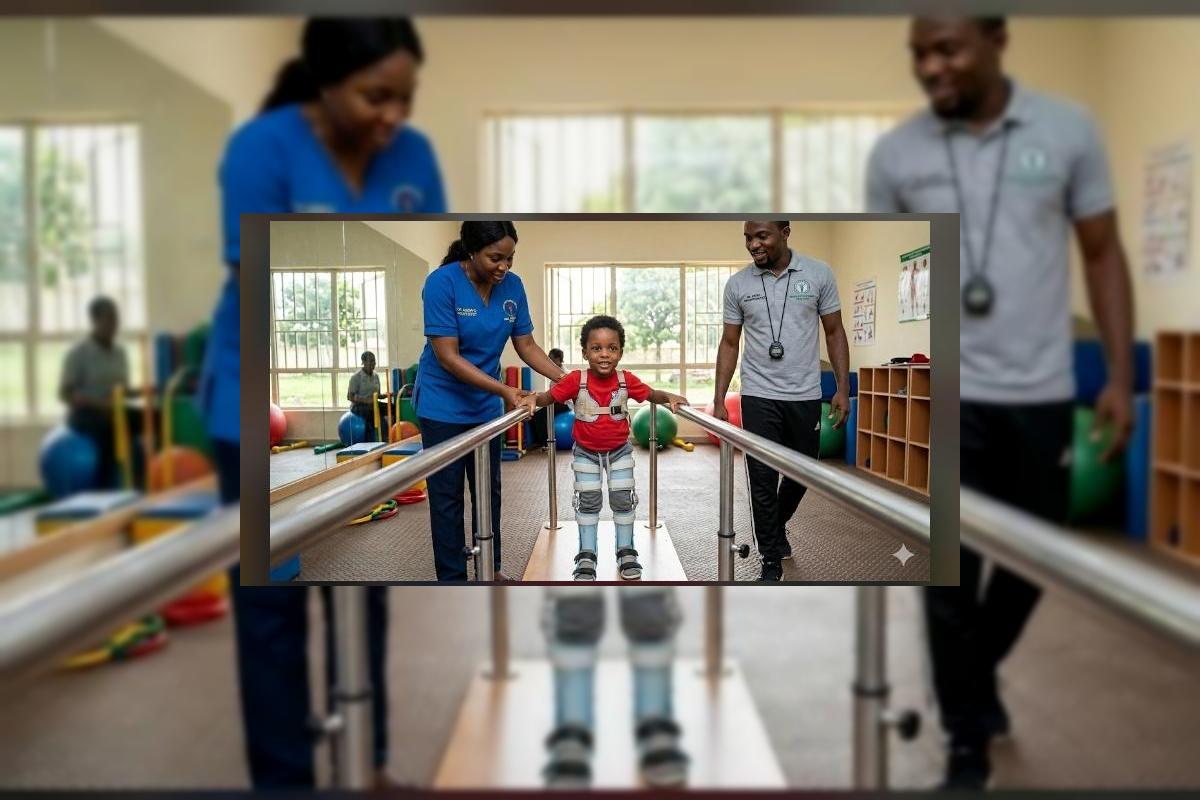
Providing a polio survivor with a correctly aligned, lightweight thermoplastic or carbon-composite KAFO transforms their daily existence. The lightweight brace stabilizes the flaccid or weakened lower limb, prevents dangerous joint hyperextension, and optimizes the energy efficiency of their gait. By reducing the physical effort required to walk, modern orthotics directly mitigate the debilitating fatigue associated with Post-Polio Syndrome. This allows survivors to remain upright, preserve their remaining muscle function, protect their sound joints from overcompensation injuries, and continue leading independent, economically productive lives as active members of their communities.
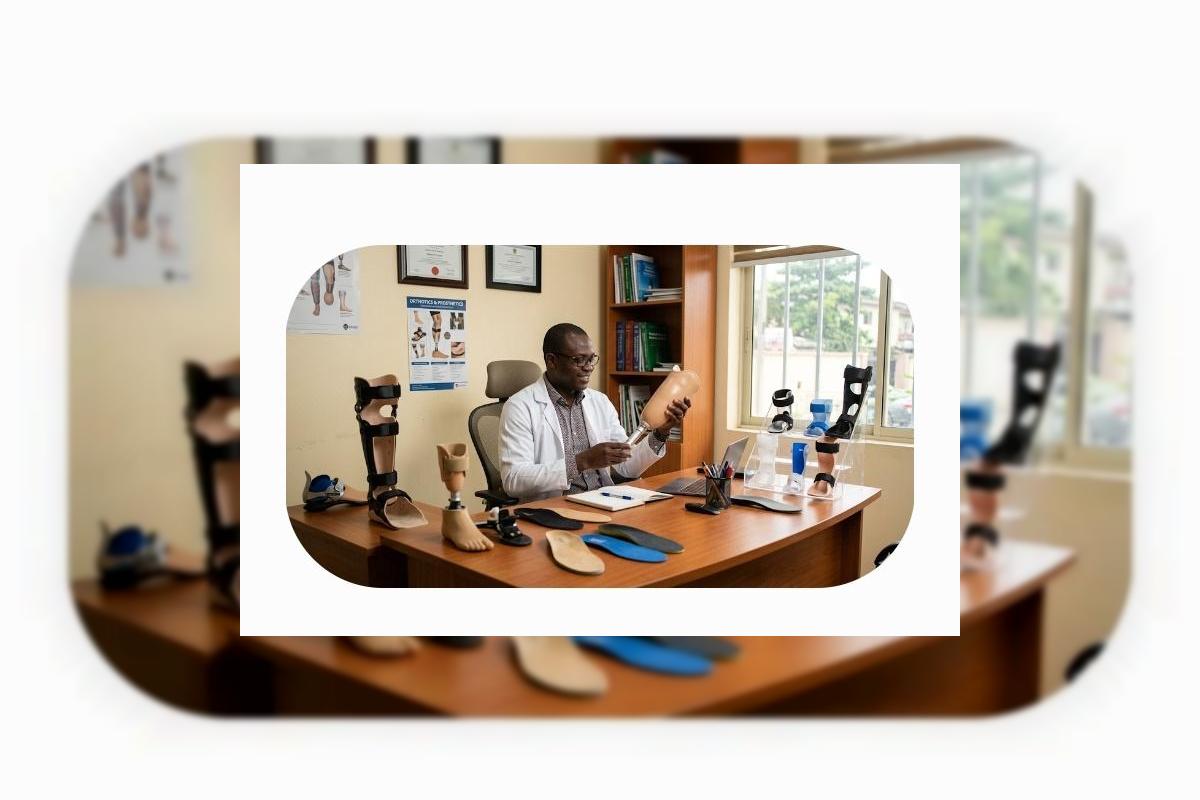
Despite these clear clinical advantages, modern orthotic devices remain a distant luxury in Nigeria. The country’s public orthotic workshops are crippled by systemic underfunding and structural neglect. Many prosthetic and orthotic (P&O) departments within state and federal hospitals lack the functional vacuum-forming machines, specialized convection ovens, and consistent electricity required to manipulate modern thermoplastic sheets. Consequently, clinicians are forced to default to the old, labor-intensive iron and leather fabrications. Where modern materials are available, typically in specialized private clinics located in urban centers like Lagos and Abuja, the cost of a single custom thermoplastic KAFO can easily range from ₦400,000 to over ₦800,000. For an average Nigerian survivor working as a civil servant, petty trader, or artisan, this price is entirely out of reach, especially since the National Health Insurance Authority (NHIA) does not provide comprehensive coverage for complex orthotic fabrications.
A Journey of Defiance: Babatunde’s Search for Mobility
Babatunde, a 52-year-old schoolteacher from an outlying community near Ibadan, Oyo State, had relied on a traditional metal-and-leather caliper since his teenage years to manage severe left-leg paralysis caused by childhood polio. By 2024, his old iron brace had completely deteriorated; the steel bars were bent out of alignment, and the interior leather padding was completely worn down, causing deep, painful pressure sores every time he attempted to walk. For over eighteen months, Babatunde was forced to use crude, mismatched wooden crutches, drag his paralyzed leg behind him, and rely on his students to move his instructional materials. The severe strain on his arms and upper back began causing secondary spinal issues. Reluctant to accept a wheelchair, he traveled to a specialized rehabilitation center where an orthotist assessed him and recommended a lightweight, custom-contoured thermoplastic KAFO with an offset knee joint. The financial burden was immense, requiring contributions from his extended family and church community. The clinical outcome, however, was revolutionary: the new brace weighed a fraction of his old iron caliper, provided immediate mediolateral stability to his unstable knee, healed his pressure ulcers, and allowed him to return to full-time classroom teaching without pain. Babatunde’s journey underscores the vital need for modern orthotics, proving that disability does not mean inability when the right medical technology is accessible.
Critical Priorities for Polio Orthotic Care in Nigeria
1 Modernize public prosthetic and orthotic workshops
Federal and state ministries of health must intentionally allocate capital to upgrade aging P&O departments at National Orthopaedic Hospitals, FMCs, and state specialist hospitals. Equipping these workshops with modern vacuum-molding systems, aligning technicians with modern fabrication skillsets, and ensuring a stable power supply is mandatory to phase out obsolete iron calipers.
2 Subsidize orthotic raw materials and components
The high cost of modern orthotics is driven heavily by import duties on clinical resins, polypropylene sheets, carbon fiber fabric, and prefabricated joint hinges. The Federal Government should eliminate tariffs on imported rehabilitation materials to make custom-made braces affordable for the hundreds of thousands of survivors who need them to survive economically.
3 Establish dedicated Post-Polio Syndrome clinics
Nigerian tertiary healthcare centers must establish integrated multidisciplinary clinics combining orthotists, physical therapists, and neurologists to specifically manage adult polio survivors. Early diagnostic screening for Post-Polio Syndrome ensures that aging gait deviations are caught early and addressed with timely orthotic modification before permanent joint destruction occurs.
4 Integrate orthotic devices into national health insurance
Mobility restoration must be treated as a fundamental medical right, not an optional cosmetic addition. The National Health Insurance Authority (NHIA) and state-level health insurance schemes must expand their operational frameworks to cover the cost of custom orthotic devices like KAFOs and AFOs, removing the catastrophic out-of-pocket expenses that force survivors into poverty.
The public narrative surrounding polio in Nigeria must undergo a fundamental shift. Eradication was an essential preventive milestone, but prevention does nothing to heal or support those who were already infected. True victory over polio cannot be claimed while thousands of adult citizens are left to crawl, limp through pain, or struggle with heavy iron contraptions that belong in the mid-20th century. By prioritizing modern, accessible orthotic care, investing in clinical infrastructure, and recognizing the reality of Post-Polio Syndrome, Nigeria can finally fulfill its long-overdue obligation to the generation that survived the epidemic.
For Polio Survivors and Caregivers Across Nigeria
If you or an older family member are experiencing new muscle weakness, escalating joint pain, or find that your traditional caliper has become too heavy or painful to use, do not wait for complete mobility failure. Seek an urgent professional evaluation from a certified orthotist at the nearest Federal Medical Centre, Teaching Hospital, or accredited rehabilitation center to discuss modern, lightweight thermoplastic options. Your independence is worth fighting for, and a properly aligned orthotic device can change your daily life. Orthonarra is firmly committed to elevating the voices of polio survivors in Nigeria, breaking down misconceptions about adult disability, and demanding systemic policy reforms within the orthotics and prosthetics field. Join the conversation, share your story, and help us ensure that this generation is no longer left waiting in silence.
Comments (0)
No comments yet. Be the first!
Please login to leave a comment
Login to Comment