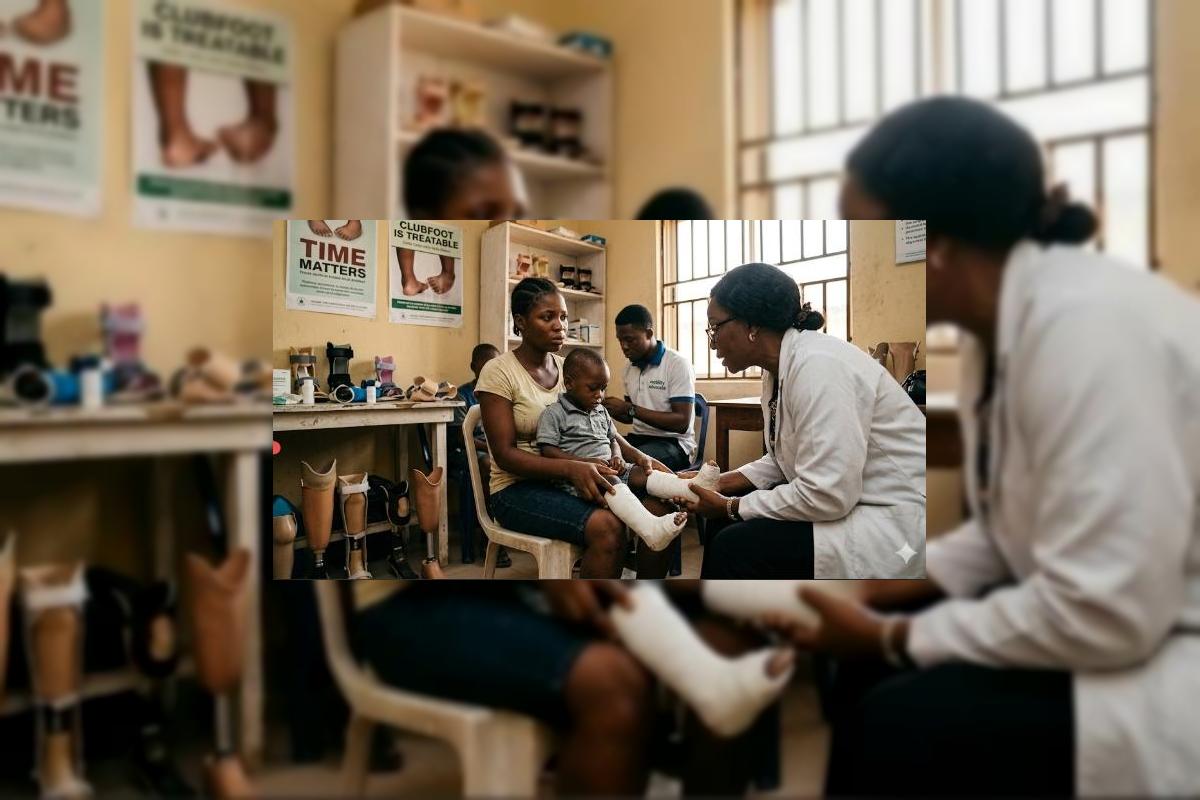

The pediatric mobility crisis in Nigeria is a silent epidemic of missed windows. For a child born with clubfoot or experiencing the effects of cerebral palsy, the difference between a lifetime of independent movement and lifelong dependency is often just a few months of early, affordable intervention. We are losing a generation to the "wait-and-see" culture.
"When we noticed our son’s feet were turned inward at birth, the elder in our village told us it was a 'spiritual message' and that he would walk when the spirits were ready. We waited. By age three, his joints were so stiff that the hospital in the city told us surgery was the only option, and it would cost more than my husband makes in a year. We didn't wait because we didn't care; we waited because we didn't know that time was the one thing we couldn't get back. — Mother, Delta State"
In the realm of pediatric orthopedics in Nigeria, we face a heartbreaking reality: congenital limb differences and neuro-motor conditions are often treated as matters of destiny rather than medical urgency. The Ponseti method for clubfoot, which is globally recognized as the gold standard for treatment, is tragically under-utilized in rural communities. When early intervention is delayed by cultural myths or lack of specialized clinics, simple, non-invasive casting evolves into complex, high-cost reconstructive surgery. This is not just a health issue; it is a developmental catastrophe that sidelines children from education and social life before they even reach school age.
The Pediatric Barrier: Three Factors Delaying Care
To address childhood disability in Nigeria, we must break the three cycles that prevent families from seeking immediate, professional orthopedic support.
| The Barrier | Impact on the Child | The Necessary Intervention |
|---|---|---|
| Cultural Delay | Loss of plasticity in joints, making later correction painful and invasive. | Community education on physical vs. spiritual origins of mobility differences. |
| Specialist Scarcity | Families travel hundreds of kilometers for basic casting, leading to high drop-out rates. | Training primary healthcare nurses in basic Ponseti casting techniques. |
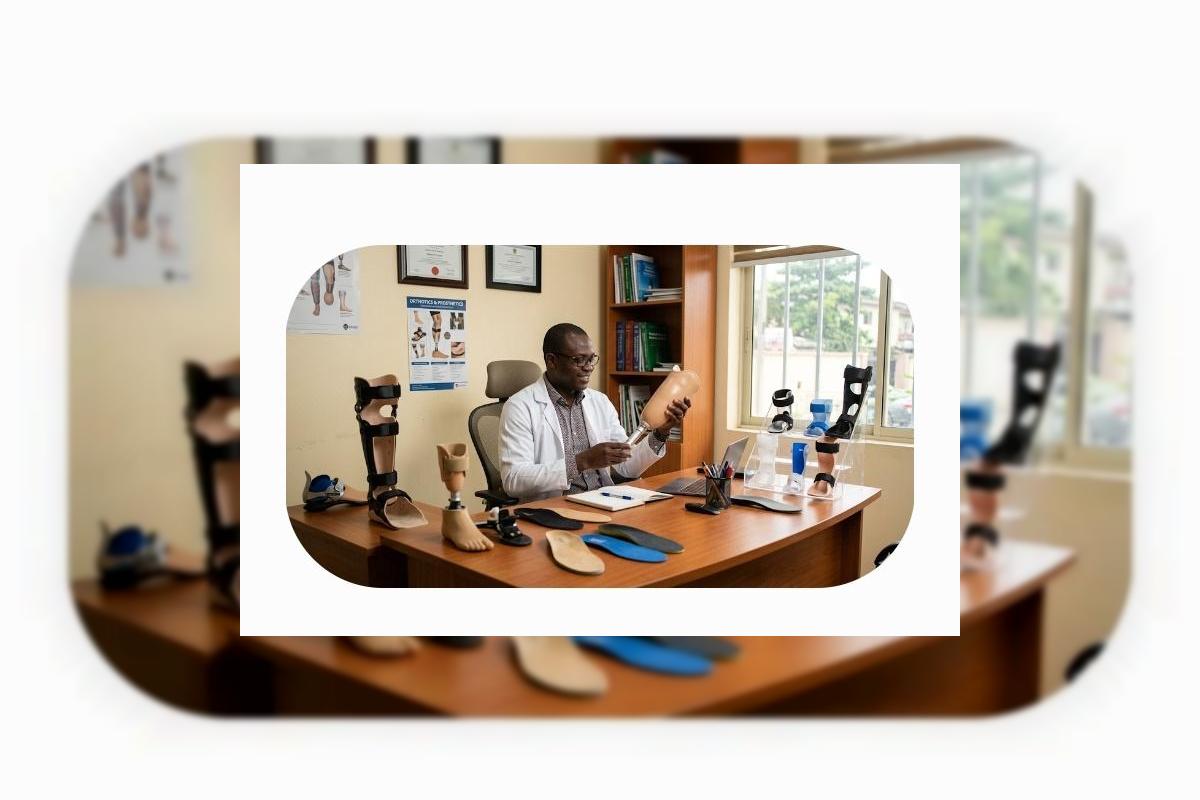
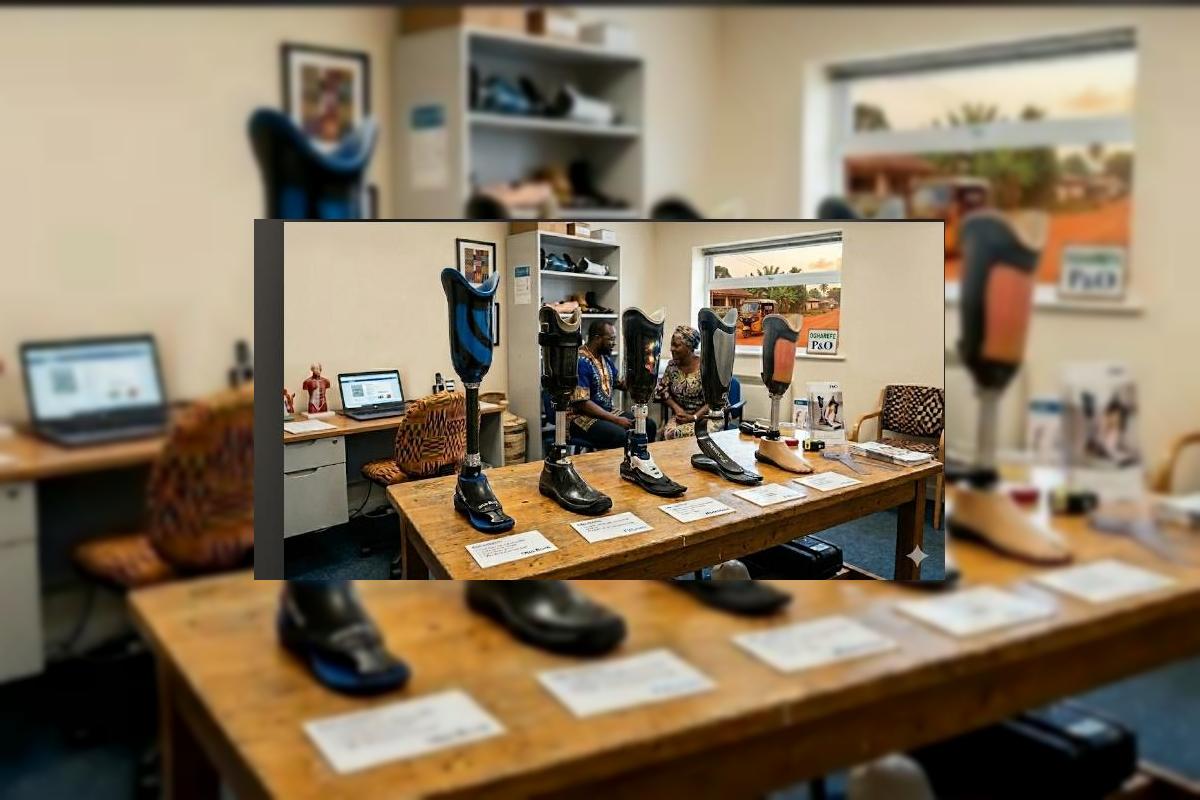
| Cost of Orthotics | Children outgrow braces rapidly, rendering expensive, out-of-pocket models unsustainable. | Subsidized 'grow-with-me' modular brace programs. |
"A clubfoot corrected at two weeks of age is a life changed forever. A clubfoot left until age five is a surgical burden that a family may never recover from. Early intervention is the highest form of pediatric care."
The Ponseti Gap: Why Technique Matters
The Ponseti method is a highly effective, low-cost approach, yet it remains inaccessible to most of the Nigerian population. It requires consistent weekly casting and meticulous follow-up. When hospitals are overcrowded and specialists are rare, the system fails to maintain the continuity required for these children to succeed. Without this consistency, we see a high rate of relapse, forcing families to return to square one, often exhausted and bankrupt.
The Roadmap to Pediatric Independence
To transform pediatric orthopedics in Nigeria, we must shift the focus from reactive surgeries to proactive, community-based care:
1 Decentralized Screening
Integrating orthopedic screening into routine immunization and antenatal visits to catch conditions like cerebral palsy or clubfoot in the first few days of life.
2 Scalable Training
Equipping local health workers with the skills for early detection and basic casting, reducing the need for every child to see an orthopedic surgeon for initial management.
3 Sustainable Orthotic Banks
Creating state-level 'brace exchange' programs where children can trade in outgrown orthotics, lowering the long-term financial pressure on parents.
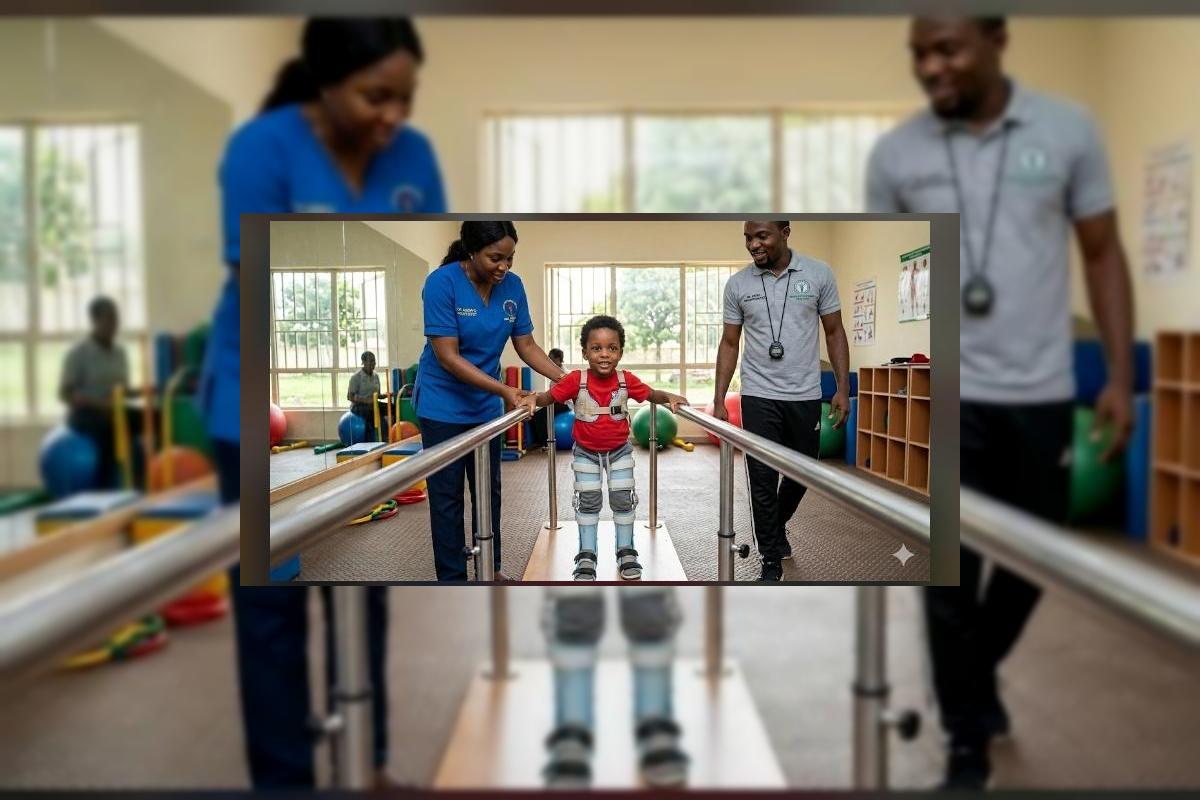
The current state of childhood disability in Nigeria is a test of our national commitment to our future. If we do not invest in the early mobility of these children, we are effectively choosing to create a future population dependent on limited state support, rather than one contributing to our economy.
A Call to the Nation
To parents: Your child's condition is not a mystery to be feared; it is a physical reality that medicine can manage if caught early. To our health policymakers: Decentralize orthopedic care—train, equip, and empower local clinics now. To society: Let us end the silence around childhood mobility differences. Every child deserves the chance to run, play, and learn without the unnecessary weight of untreated physical barriers. Orthonarra stands for the right to move from the very first step.
Comments (0)
No comments yet. Be the first!
Please login to leave a comment
Login to Comment